Comparisons12 min readcomparisonasiatranspacific
Best Business Class to Asia 2026: Top Airlines for Transpacific Premium Travel
If you're flying business class to Asia in 2026, ANA and JAL are still the gold standard — but Singapore Airlines, Cathay Pacific, and EVA Air are all making serious cases for your seat.
BC
BestBusinessClass Team
September 14, 2026
Share
Quick summary
If you're flying business class to Asia in 2026, ANA and JAL are still the gold standard — but Singapore Airlines, Cathay Pacific, and EVA Air are all making serious cases for your seat. This guide ranks the top 10 products on US-to-Asia routes, covers the smartest routing strategies, and shows you where BestBusinessClass.com can find fares that make the premium cabin actually affordable.
The transpacific business class market has never been more competitive. New aircraft, refreshed cabins, and a handful of carriers that genuinely seem to care whether you sleep well have made 2026 one of the best years to fly premium to Asia. And if you know where to look — and when to book — you don't have to pay retail to get there.
$3,800
Average retail round-trip business class, US to Asia
That number is what most people pay. It doesn't have to be what you pay.
The best business class to Asia 2026: full rankings
Let's get into the list. I've ranked these based on hard product (the seat itself), soft product (food, service, bedding), and how consistently good the experience is — not just on flagship routes.
1. ANA The Room (777-300ER)
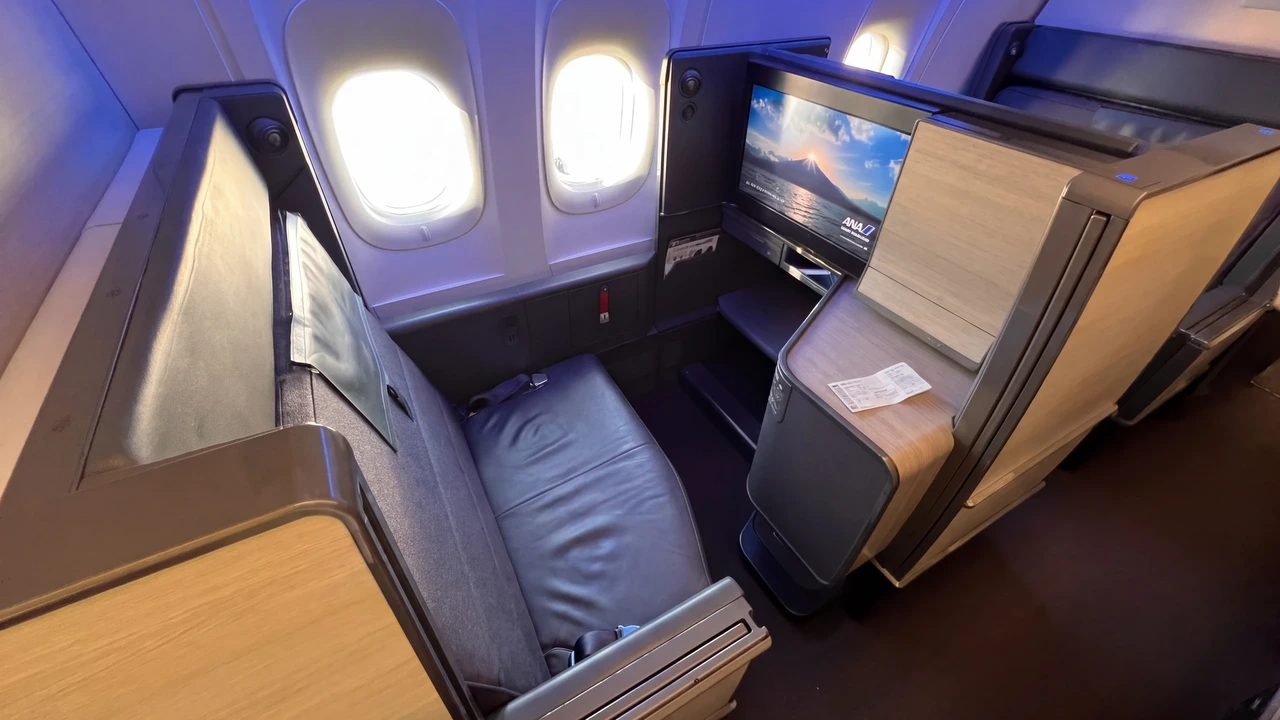
Nothing else on a transpacific route comes close to the privacy ANA The Room offers in business class. The door closes. The walls go almost to the ceiling. You feel genuinely alone in a way that other products — even good ones — don't quite achieve.
The seat itself is a 1-2-1 configuration that converts to a fully flat 78-inch bed. But the hardware is only half the story. ANA's service philosophy — omotenashi, the Japanese concept of wholehearted hospitality — shows up in ways you can't spec out on a seat map. Your meal courses arrive at a pace that actually makes sense. The tray is set precisely. The flight attendant remembers you asked for still water and brings it without you asking again.
I've done JFK to Tokyo Haneda on ANA twice, and both times the meal service felt like someone had thought through every detail. The soba noodle starter on the Japanese menu is genuinely good. The Japanese whisky selection is better than most hotel bars.
Best departure cities: JFK (EWR positioning available), LAX, SFO, ORDPro Tip
Book ANA's Japanese menu when you select your meal — it's not the default, but it's consistently better, especially on the westbound leg.
2. Singapore Airlines A350 (regional and long-haul)
Singapore Airlines doesn't have ANA's ceiling-height doors, but it has nearly everything else. The A350 business class product — long-haul configuration — runs a 1-2-1 layout with direct aisle access from every seat, a proper door, and a bed that's among the widest in business class at 28 inches.
What sets SQ apart is consistency. I've flown them out of JFK, LAX, and SFO, and the quality doesn't fluctuate the way it does on some carriers. The Book the Cook program, where you pre-select your main course from an extended menu, is one of the best things in premium aviation. The lobster thermidor is real lobster.
The wrinkle: SQ's US-to-Singapore routing often means a connection at another Asian hub unless you're flying out of JFK or LAX nonstop. More on routing strategy below.
Best departure cities: JFK (nonstop SIN), LAX (nonstop SIN), SFO (via NRT or HKG)3. JAL Sky Suite (A350-1000)
JAL quietly put one of the best business class seats in the sky onto their A350-1000, and not enough people are talking about it. The Sky Suite on this aircraft is a true door-equipped product, with a seat pitch of 83 inches and a mattress topper that's thick enough to matter.
The Japanese service standard is the same as ANA's — unhurried, precise, attentive without being intrusive. Where JAL sometimes edges ahead is in the Western menu options, which are more developed than ANA's. The wagyu beef course on JAL's premium menu is worth planning your meal around.
JAL operates the A350-1000 on JFK-HND and LAX-NRT routes, which are exactly where you want it.
$2,400
JAL business class JFK–Tokyo, consolidator pricing via BestBusinessClass
4. Cathay Pacific (A350 new product)
Cathay's new A350 business class — the one with the full-height door — is genuinely excellent. The seat is wide, the storage is well thought out, and the 18.5-inch screen is big enough that you'll actually watch something.
Cathay's soft product has always been good, and the updated cabin gives the hardware a chance to match it. Hong Kong as a hub also means you can connect to almost anywhere in Southeast Asia without a painful layover. The CX lounge at HKG is one of the better airport experiences you'll find.
One honest note: Cathay's westbound service out of the US (primarily JFK and LAX) can feel slightly more rushed than the eastbound. It's not bad — it's just not quite the same.
Best departure cities: JFK, LAX (both nonstop to HKG)5. EVA Air Royal Laurel (787-10)
EVA's 787-10 Royal Laurel is one of the most underrated business class products on transpacific routes. The seat is in a 1-2-1 herringbone configuration with direct aisle access, a fully flat 76-inch bed, and a privacy shell that feels more substantial than the price suggests.
EVA operates primarily out of LAX and SFO to Taipei (TPE), with excellent onward connections to Bangkok, Hanoi, Ho Chi Minh City, and other Southeast Asian destinations. If your goal is Southeast Asia and you're on the West Coast, EVA through Taipei is a routing worth considering seriously.
The service is warm and attentive. The food — especially the Taiwanese-influenced menu items — is a genuine highlight.
Los Angeles (LAX)Taipei (TPE)
EVA Air · Business Class
$2,100
roundtrip
View route
6. Korean Air Prestige Suite (A350)
Korean Air's A350 Prestige Suite is a proper sliding-door business class product, and it's better than its reputation suggests among US travelers. The seat converts to a fully flat bed, the IFE screen is large, and the service out of ICN is polished.
Korean's hub at Incheon is one of the most efficient transit airports in the world, which matters if you're connecting to Southeast Asia or Japan. The lounge at ICN Terminal 2 is genuinely good — better food than most US carrier lounges, and a shower suite that's actually clean.
Best departure cities: JFK, LAX, SFO, SEA (all route through ICN)7. Asiana Business (A350)
Asiana's A350 business class isn't the flashiest product on this list, but it's solid and often significantly cheaper than Korean Air on the same routes. The seat is a 1-2-1 layout, the service is consistently good, and Asiana's food quality — particularly the Korean bibimbap, which is a staple on their flights — is legitimately enjoyable at 38,000 feet.
If you're price-sensitive and still want a decent hard product to Seoul with onward connections, Asiana is worth a look. BestBusinessClass.com regularly finds Asiana fares in the $1,800–$2,200 range round-trip out of the West Coast.
8. Delta One Suite (via NRT/HND)
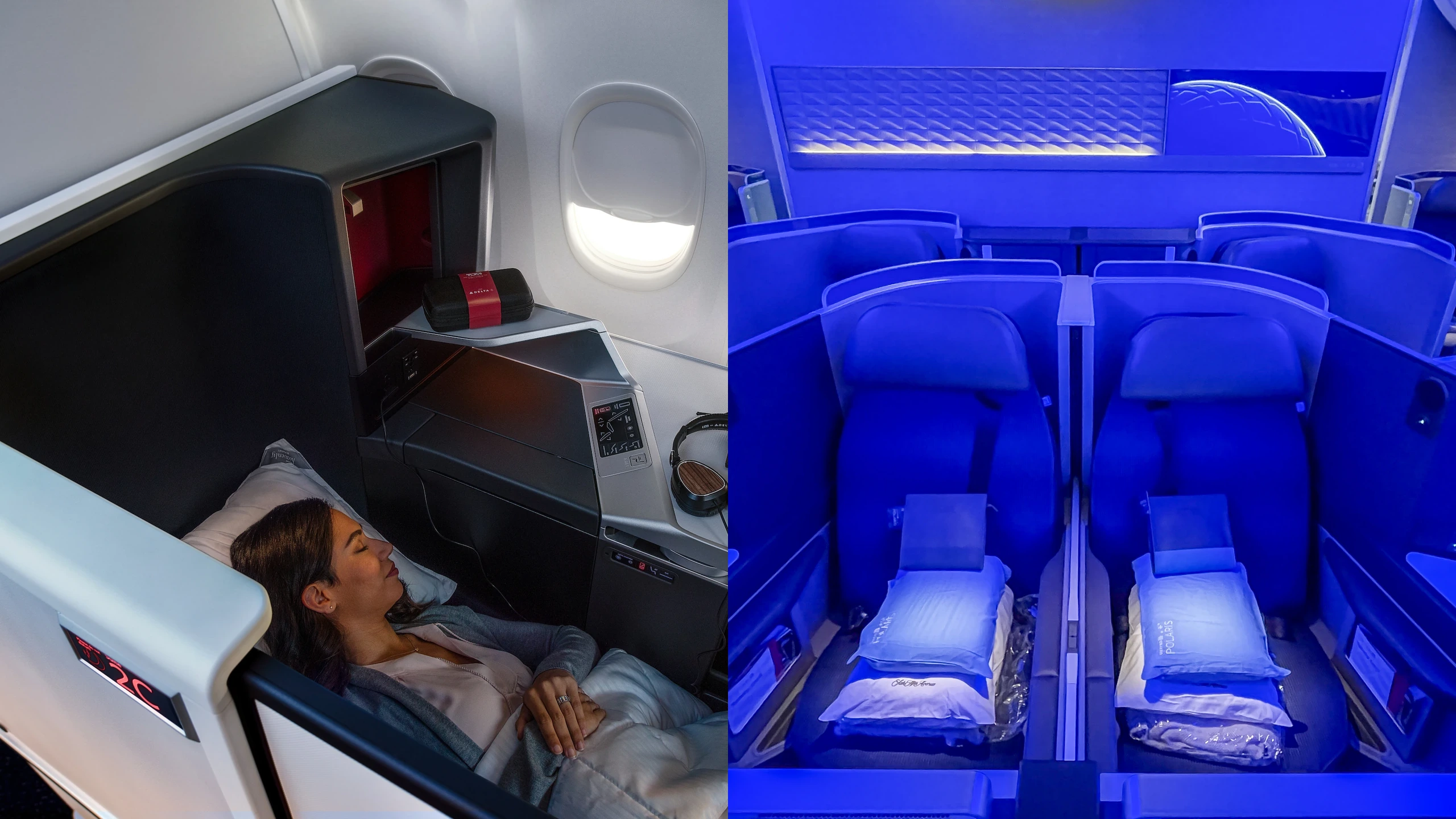
Delta's One Suite is a good product. Door, direct aisle access, a proper bed. On the right aircraft — the A350 or reconfigured 767 — it's genuinely comfortable.
The issue is consistency. Delta's transpacific routes are primarily through Tokyo (NRT/HND), and the product on those routes varies depending on which aircraft you get. The service is friendly but doesn't have the same precision as the Japanese carriers. The food has improved but is still a step behind ANA and JAL.
That said, Delta's SkyMiles program and frequent flash sales make it worth watching for deals. And if you're based in Atlanta or Seattle, the nonstop options are genuinely convenient.
Pro Tip
Delta One Suites to Tokyo from Atlanta (ATL) are frequently discounted in January and February — check BestBusinessClass.com during that window.
9. United Polaris (NRT/HND/SIN/HKG)
United Polaris has the widest transpacific network of any US carrier — Tokyo Narita, Tokyo Haneda, Singapore, Hong Kong, and more. The Polaris seat, when you get the true Polaris hard product (not the older Polaris "experience" on older 767s), is a 1-2-1 direct aisle access product that's comfortable enough.
But honest assessment: Polaris doesn't compete with ANA or Singapore Airlines on the soft product. The food is inconsistent. The bedding is fine. The service ranges from excellent to mediocre depending on the crew. It's a solid business class product, not a transcendent one.
Where United wins is network and price. If you're in Houston, Chicago, or Newark and want a nonstop business class option to Asia, United often has the only reasonable choice — and United Polaris fares through consolidator networks can come down meaningfully from published rates.
Newark (EWR)Tokyo Haneda (HND)
United Airlines · Business Class
$2,650
roundtrip
View route
10. Philippine Airlines (A350)
PAL doesn't get much attention in premium travel circles, but their A350 business class is a legitimate product. The seat is a 1-2-1 configuration, the service is genuinely warm, and Manila as a hub opens up connections to Cebu, Davao, Palawan, and other Philippines destinations that other carriers simply don't serve.
If the Philippines is your destination — or part of a multi-city trip — PAL in business class is worth considering. BestBusinessClass.com occasionally finds PAL fares in the $2,000 range round-trip from LAX or SFO.
The Japanese carrier advantage: why ANA and JAL are different
What is omotenashi, and why does it matter on a 14-hour flight?
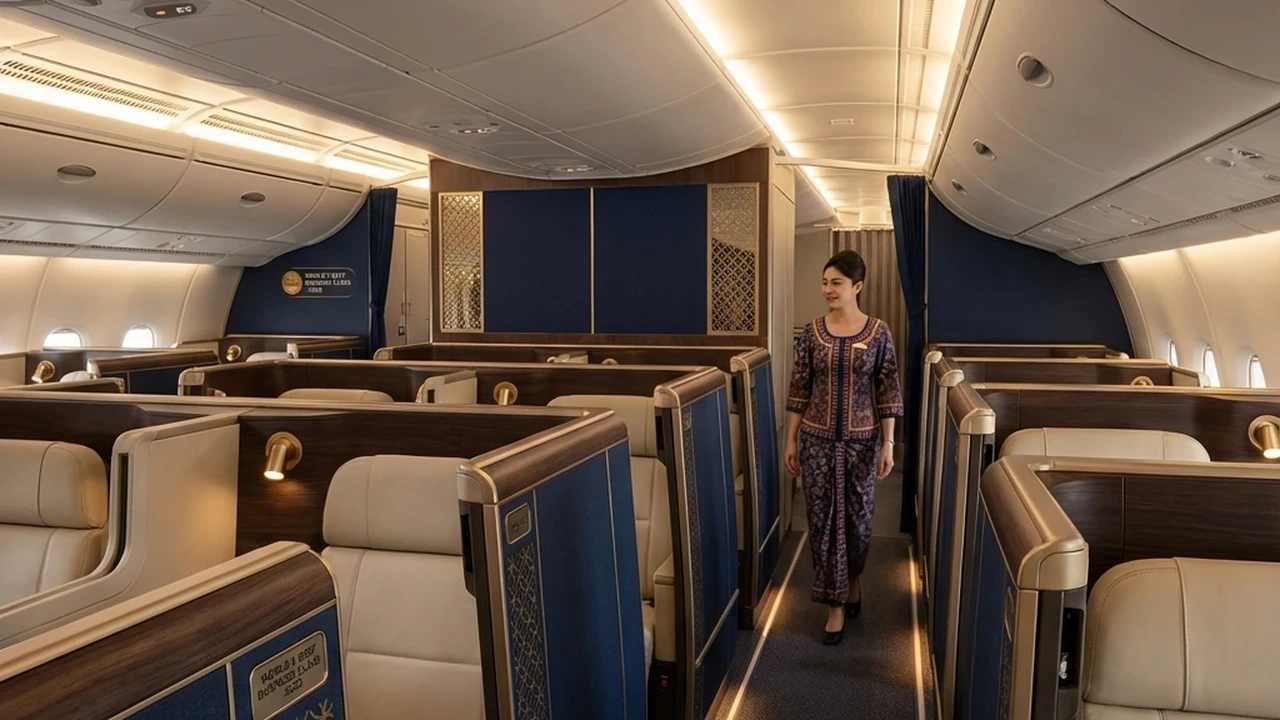
Omotenashi is a Japanese concept of hospitality that's about anticipating needs rather than just responding to them. On a practical level, this means your ANA or JAL flight attendant notices your water glass is almost empty before you've decided to ask for more. It means the meal pacing is coordinated across the cabin so you're not waiting 45 minutes between courses. It means small things — the way the tray is presented, the temperature of the towel, the precise timing of when the cabin lights dim — feel considered rather than accidental.
I don't say this to be romantic about it. It's a real operational difference that makes a 13-hour flight to Tokyo meaningfully more comfortable than the same 13 hours on a carrier that's merely good.
Neither ANA nor JAL has figured out how to replicate this culture on routes staffed primarily by non-Japanese crews, which is part of why the US-to-Japan routes are the ones to prioritize if you want the full experience.
Routing strategy: nonstop vs. connecting
Is it worth connecting through Seoul, Hong Kong, or Singapore?
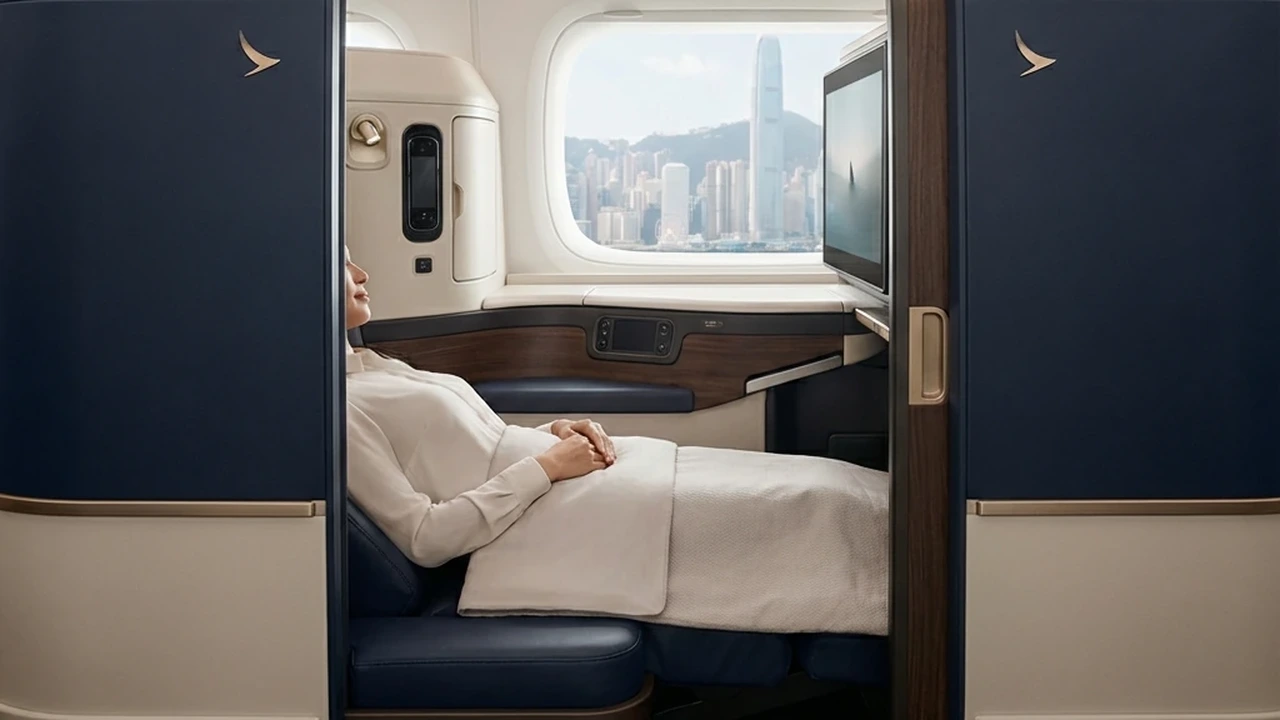
For Japan, the answer is almost always no. Nonstop flights from LAX, SFO, or JFK to Tokyo (NRT or HND) on ANA or JAL are the move. You save 3–5 hours of travel time and you get the full Japanese service experience from boarding.
For Southeast Asia — Bangkok, Ho Chi Minh City, Bali, Manila — the calculus changes. Very few US cities have nonstop service to Southeast Asian destinations in business class. You're almost certainly connecting somewhere.
The best connecting hubs for Southeast Asia, ranked:
- Incheon (ICN): Efficient, modern, excellent lounge, Korean Air and Asiana connections
- Hong Kong (HKG): Cathay Pacific hub, great connections, CX lounge is top-tier
- Singapore (SIN): SQ's home turf, but you're going through Singapore to get to other places in Southeast Asia, which adds distance
- Taipei (TPE): EVA Air hub, underrated, works well for Vietnam and Thailand
West Coast routing tip
If you're flying from LAX or SFO to Bangkok or Vietnam, EVA Air through Taipei or Korean Air through Incheon are consistently your best business class options — both in product quality and in what BestBusinessClass.com can find on pricing.
Fifth freedom routes are worth knowing about. Singapore Airlines operates JFK to Frankfurt (FRA) to Singapore — so you're technically flying a European leg to get to Asia, but the seat and service are full SQ quality the whole way. ANA has domestic positioning options through Tokyo if you're connecting from a US city without direct ANA service. These routes occasionally surface at better pricing than the primary transpacific fares.
When to book: transpacific pricing sweet spots
October and November are legitimately good months to fly to Asia. The weather in Japan and much of Southeast Asia is excellent, and because they're not peak summer or peak holiday, pricing tends to be softer. I've seen business class deals to Tokyo in late October that were 30–40% below the summer equivalent.
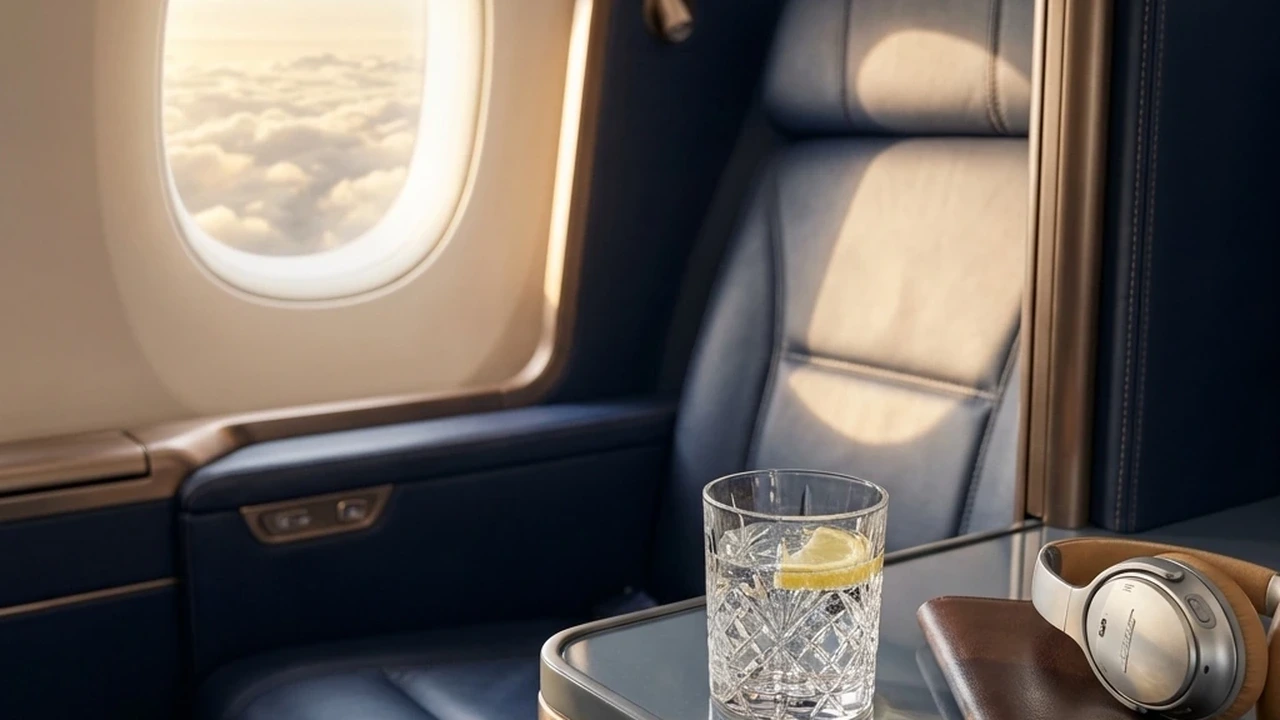
Late January through February is the other window. Post-holiday, pre-spring break, and the shoulder season for most of Asia. This is when BestBusinessClass.com tends to find the most interesting consolidator fares — sometimes sub-$2,000 round-trip in business class from the West Coast.
$1,900
Lowest consolidator fares to Tokyo in Jan–Feb (West Coast departure)
What you want to avoid: late June through August (peak summer), Cherry Blossom season in Japan (late March to early April, and prices spike hard), and the two weeks around Chinese New Year.
Multi-destination ideas: making the most of a business class trip to Asia
The open-jaw itinerary is underused by people planning Asia trips. You don't have to fly into and out of the same city.
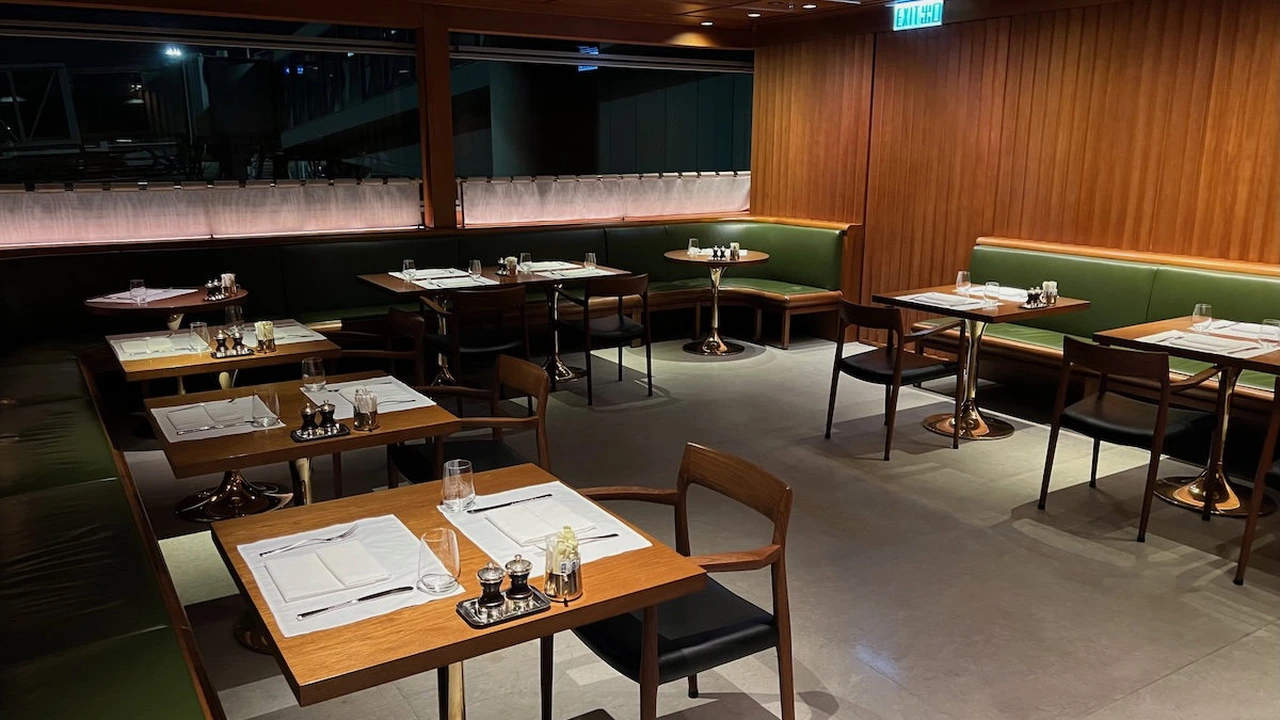
A Tokyo in, Bangkok out routing — or the reverse — lets you cover two very different destinations without backtracking. In business class, this often doesn't cost significantly more than a round-trip to one city, especially when you book through a consolidator like BestBusinessClass.com that can put together more creative routings.
Some combinations worth considering:
- Tokyo (HND) in / Bangkok (BKK) out: Fly ANA or JAL in, position to Bangkok by connecting through a Southeast Asian hub, fly home on Thai or a partner carrier
- Seoul (ICN) in / Singapore (SIN) out: Korean Air or Asiana inbound, Singapore Airlines or Cathay Pacific outbound
- Tokyo (NRT) in / Manila (MNL) out: JAL in, PAL or Cathay back — works especially well for a Philippines beach portion at the end
Positioning flights
If you're not near a gateway city, a domestic positioning flight to LAX, SFO, JFK, or EWR in economy often costs under $200 and opens up significantly better transpacific business class options than flying out of a smaller hub.
How BestBusinessClass.com finds these fares
BestBusinessClass.com works through consolidator networks — wholesale fare agreements with airlines that aren't available through Expedia, Google Flights, or the airline's own website. These fares are fully ticketed business class seats on the same aircraft, same cabin, same lounge access. You're not getting a downgrade or a workaround.
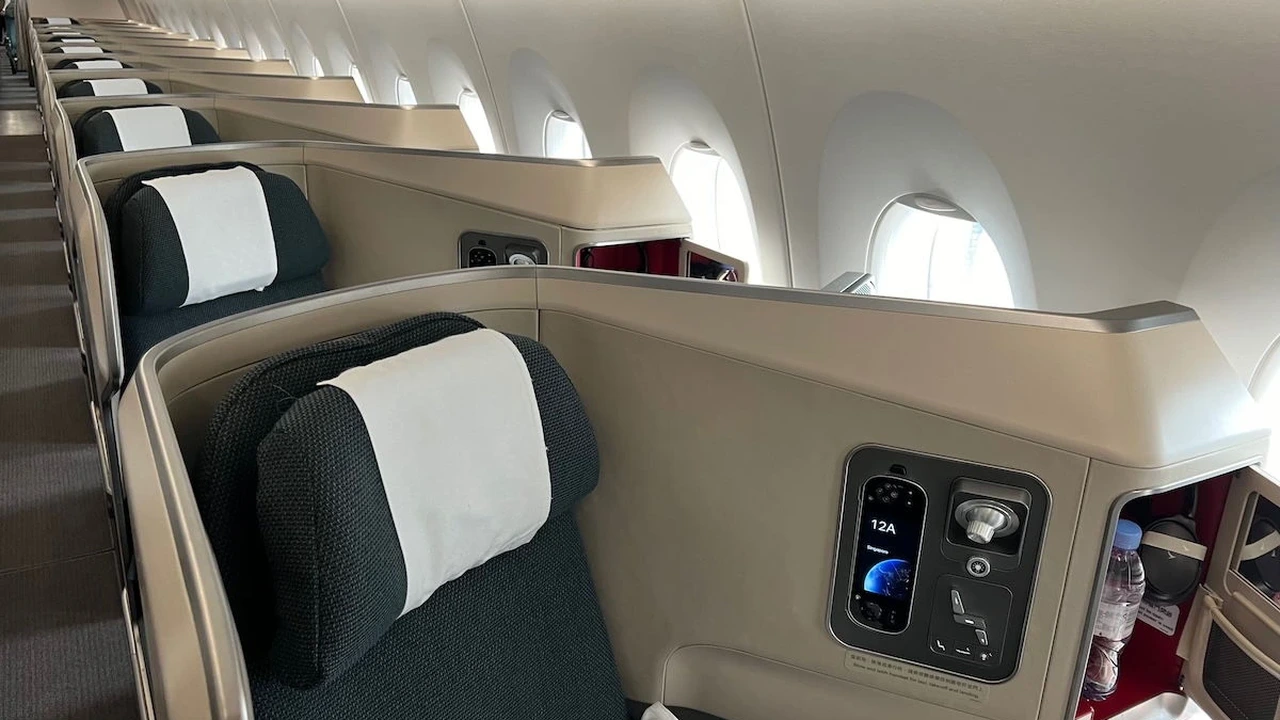
The difference is price. On US-to-Asia business class routes, consolidator fares typically run 20–40% below published retail. On some carriers and routes, the gap is wider.
The process is simple: call (855) 815-4774 or submit a request online, tell an advisor your dates and preferred carriers, and they'll come back with options. It takes about 10 minutes and the savings can be substantial.
Find discounted business class fares to Asia — consolidator pricing on ANA, JAL, Singapore Airlines, and more
Call (855) 815-4774This article was created with AI assistance and reviewed by our editorial team.
#comparison#asia#transpacific#ranking#best-of
Enjoy our content? Make us a preferred source on Google.
Business class deals, delivered
Join savvy travelers who receive exclusive deals, route tips, and insider knowledge. Free, weekly, no spam.
Unsubscribe anytime. We respect your inbox.
By submitting, you agree to our Privacy Policy and Terms of Service.
Ready to book your business class flight?
Our specialists access unpublished fares and save you up to 40% on premium cabins.