Travel Tips12 min readtipspackingpremium-travel
Business Class Packing Guide: What Premium Travelers Actually Bring
Business class packing is less about what you cram in and more about what you leave out. Airlines already provide the pillows, blankets, and basic toiletries — your job is to fill the gaps they don't.
BC
BestBusinessClass Team
September 25, 2026
Share
Quick summary
Business class packing is less about what you cram in and more about what you leave out. Airlines already provide the pillows, blankets, and basic toiletries — your job is to fill the gaps they don't. This guide breaks down exactly what to bring, what to skip, and how to pack it all without looking like you're moving countries.
I've watched people drag full-size neck pillows and Ziploc bags stuffed with hotel toiletries into business class cabins more times than I can count. And every time, I think the same thing: they paid $4,000 for a flat bed and they're still packing like they're flying Spirit.
Business class packing is a different skill set. The airline is providing things. Good things, in many cases. Your carry-on strategy should work around that, not in spite of it.
Here's what actually goes in my bag — and what I leave at home.
What the airline already gives you (so stop packing it)
Most long-haul business class products include more than people expect. Before you start throwing things in your bag, it's worth knowing what's waiting at your seat.
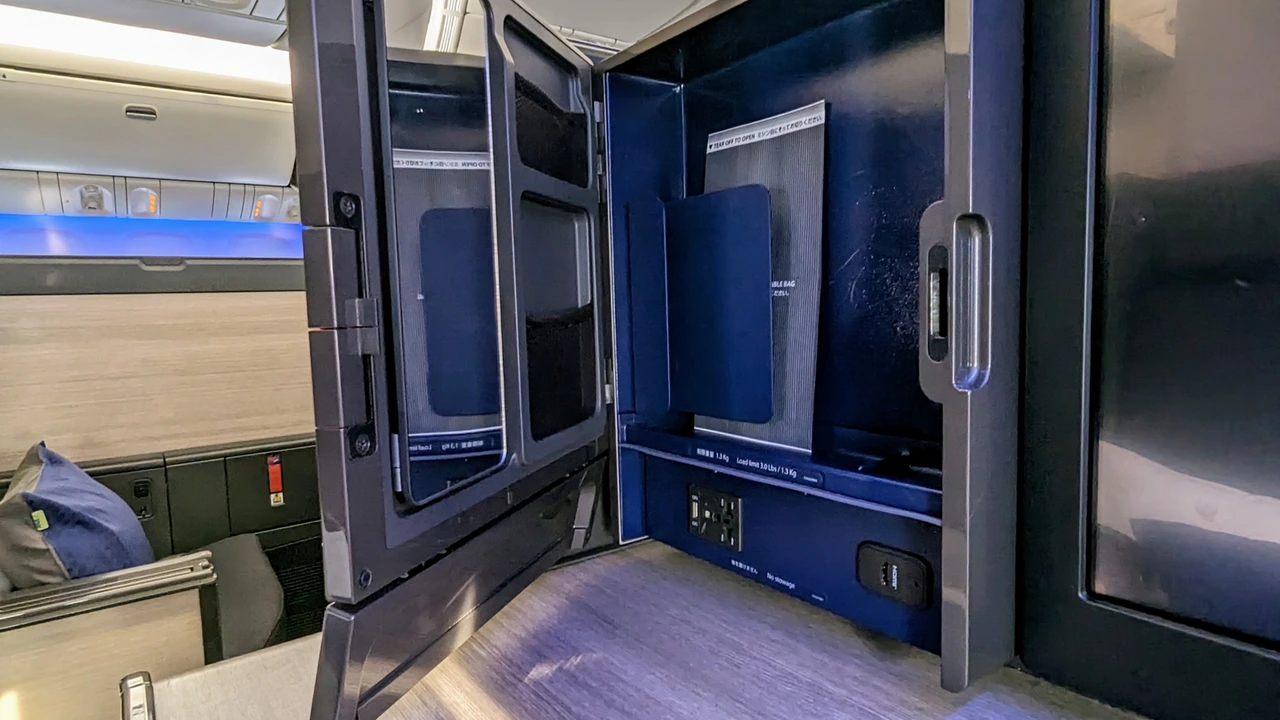
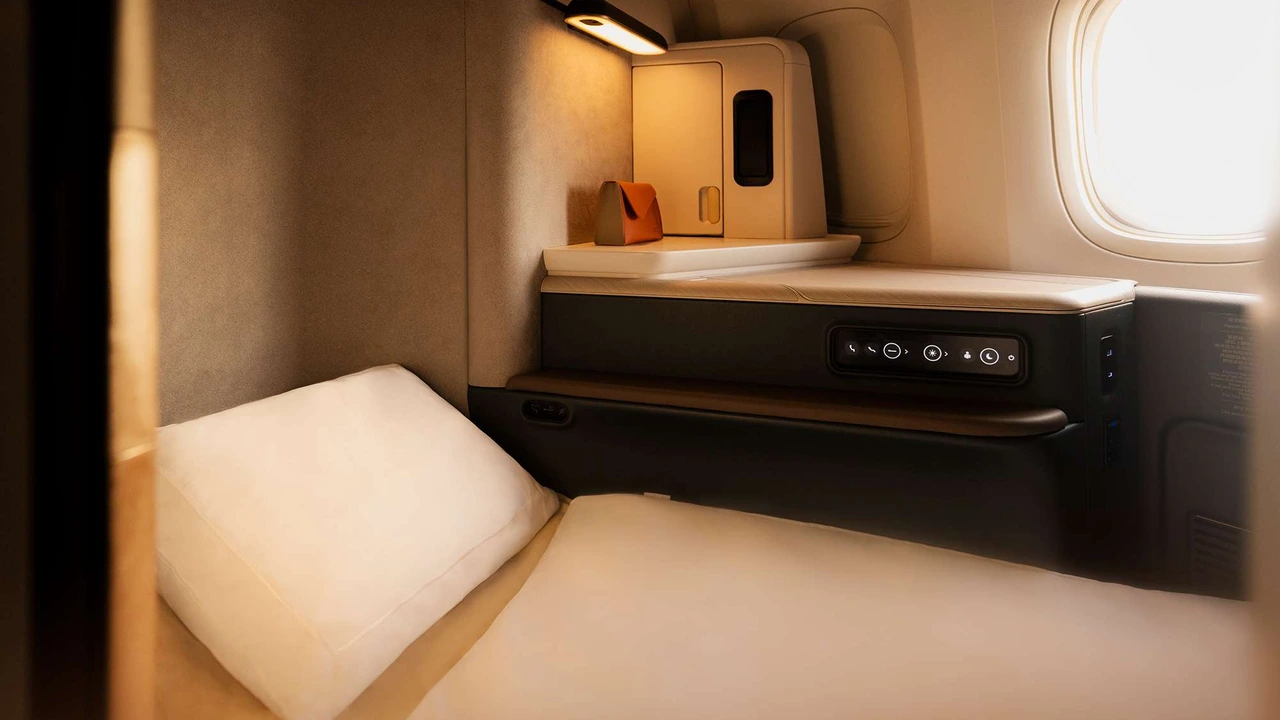
Bedding. Every major carrier on long-haul routes provides a proper blanket and a full-size pillow. Not the sad little rectangular thing you get in economy. Singapore Airlines gives you a separate duvet. Qatar Qsuites has a full pillow and a thick blanket that's genuinely hotel-quality. You do not need to bring your own.
Slippers and pajamas. This varies more by airline. Singapore Business Class, Cathay Pacific, ANA, and Qatar all provide pajamas on most long-haul routes. Emirates does on some routes, not all. If pajamas matter to you, check before you fly — but on most premium routes, they're handled. Slippers are nearly universal in business class.
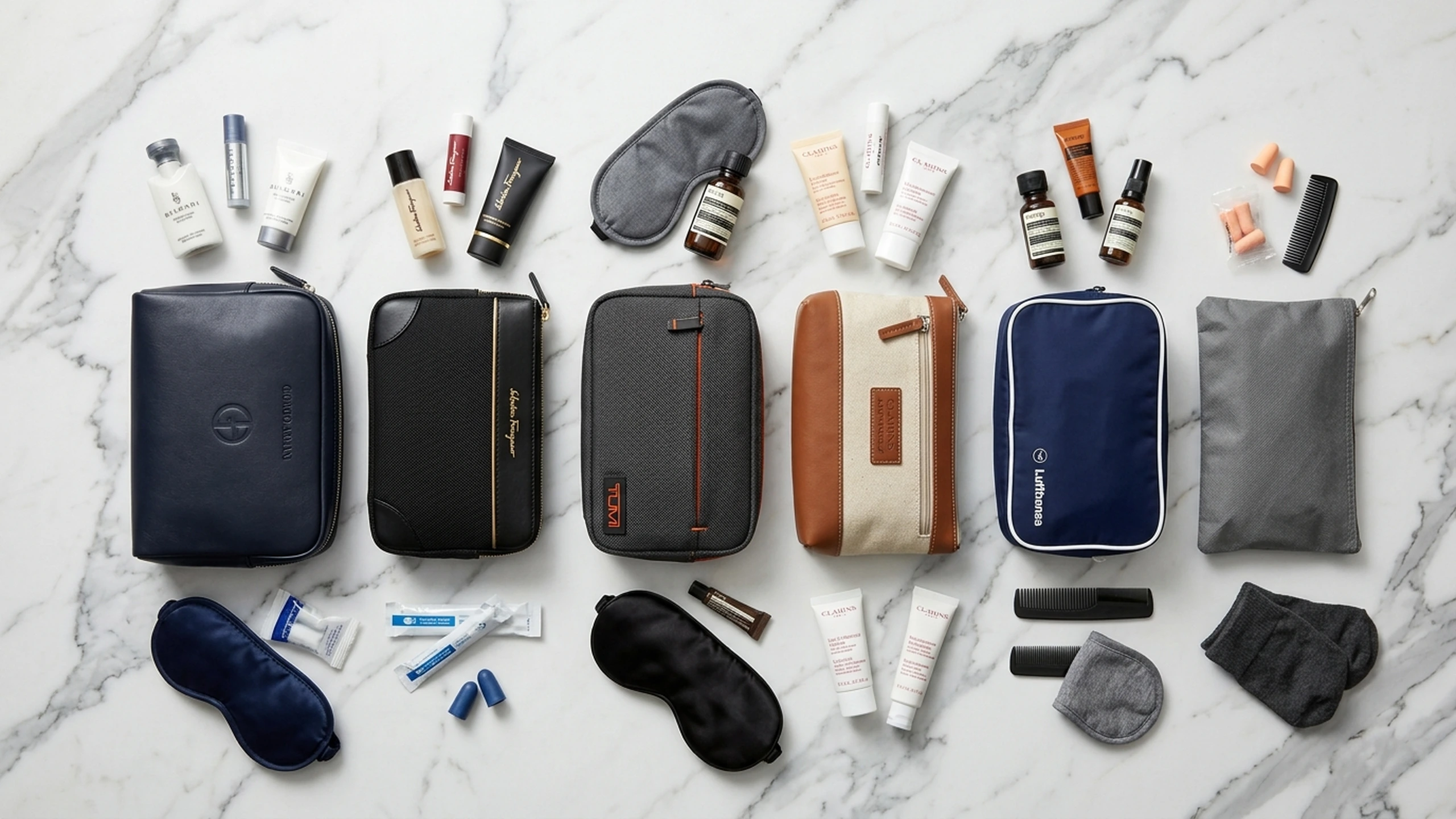
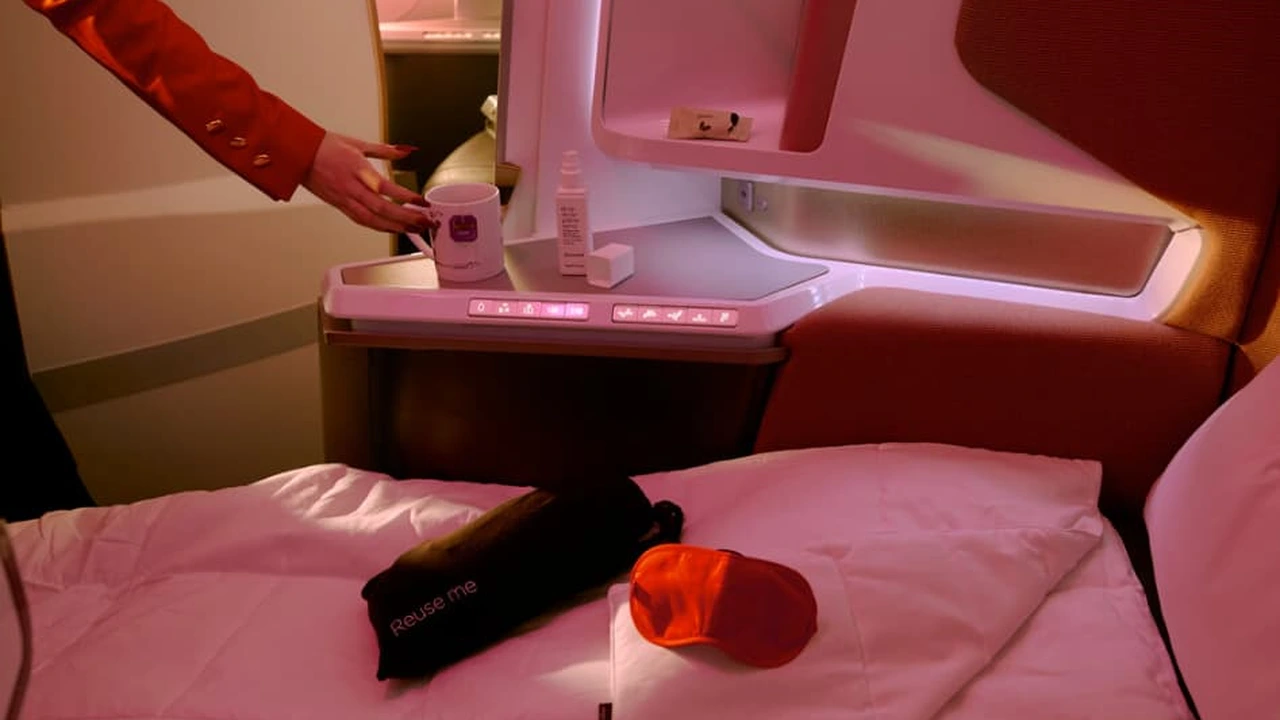
Amenity kits. Every major business class carrier provides one. Quality ranges from genuinely useful (Cathay's kits with Bamford products, Qatar's Diptyque collab kits) to the kind of thing you use once and forget. Standard contents: eye mask, earplugs, lip balm, hand cream, toothbrush, toothpaste, sometimes a face mist or serum.
Noise-cancelling headphones. Provided, yes. Good? Almost never. More on that in a moment.
Don't pack these
Full-size pillows, travel blankets, hotel-size shampoo/conditioner/body wash, and neck pillows. The airline has you covered on all of it. Bringing your own just wastes space and weight.
Your business class packing guide, item by item
Let me go through what actually earns a spot in my carry-on — and why.
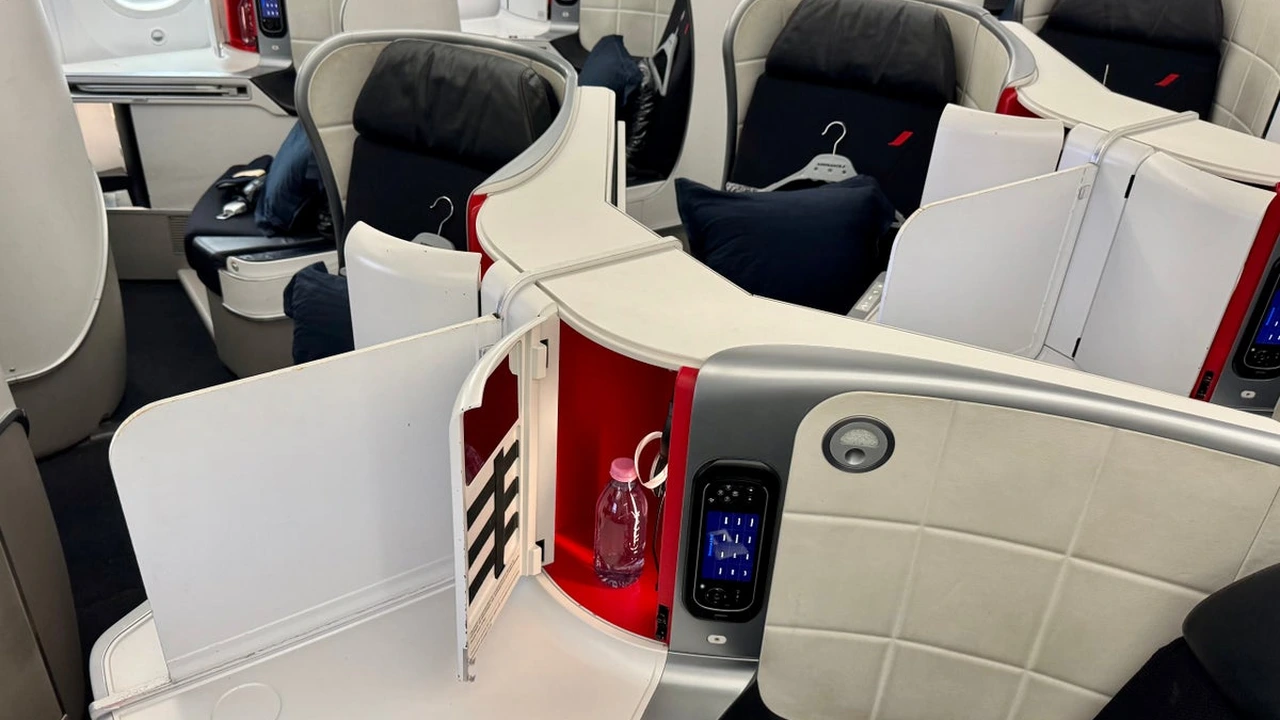
Noise-cancelling headphones: the one thing you should never skip
Airline headphones are mediocre. Even the better ones, like what you'll find on Singapore Airlines, are fine but not great. The noise cancellation is weak, the fit is generic, and they're shared equipment.
I fly with the Sony WH-1000XM6. They're lighter than the previous generation, the noise cancellation is genuinely best-in-class, and they pair instantly via NFC. The Bose QuietComfort Ultra are the other top pick — marginally better sound quality to some ears, but I've found the Sonys more comfortable on 14-hour segments.
Either way, you're looking at around $350–$400 retail. Worth every cent.
Pro Tip
Bring your own headphones even if the airline provides them. Plug into the IFE with a 3.5mm adapter (most planes still have the old jack) and use your own cans. The difference on a 12-hour flight is not subtle.
Personal eye mask
The airline provides one. It's usually the thin foam kind that lets light in at the edges. Useless.
The Manta Sleep Pro is the mask I've used for about two years now. It has individual eye cups that sit over your eyes without touching your eyelids, which sounds like a minor thing until you've worn it for eight hours. Total blackout. Adjustable strap. It's about $75 and I'd pay twice that.
Hydrating face mist
Cabin air runs at 10–15% humidity. Your skin knows it. A good face mist makes a noticeable difference on anything over eight hours. Dr. Jart Cicapair Calming Mist is what I use — it calms redness, actually hydrates, and the 50ml size clears TSA without issue. Spray it at the three-hour and seven-hour marks on a long flight.
This is the kind of thing that seems fussy until you land in Singapore looking like a human being instead of someone who just crossed a desert.
Compression socks
Deep vein thrombosis is a real risk on long flights, not a paranoid one. The stats on blood clot risk increase significantly beyond eight hours in a sedentary position, even if you're lying flat.
Bombas compression socks are my go-to for flights — they're well-made, come in decent colors, and actually provide graduated compression rather than just being tight. Sockwell is another good option and slightly more affordable. Either way, put them on before you board, not after you're already at 35,000 feet.15%
Typical cabin humidity level (vs. 30-60% at home)
Skincare basics you should bring yourself
The amenity kit lotion is usually fine. The eye cream, if included, is usually not. Here's what I bring regardless of carrier:
- A small tube of Aquaphor or thick lip balm (not the waxy airline kind)
- Neutrogena Hydro Boost eye gel or whatever you use at home — you'll apply it before sleep
- A pea-size amount of your own moisturizer in a small container, because the provided hand cream isn't a face moisturizer
Keep all of this in a small zip pouch in your personal item. You're not trying to replicate your bathroom routine — just the parts that actually matter at altitude.
Carry-on strategy for business class
2 bags
Carry-on allowance on most major business class carriers
Most business class fares allow two carry-on bags: one full-size overhead bin bag and one personal item. Use both intelligently.
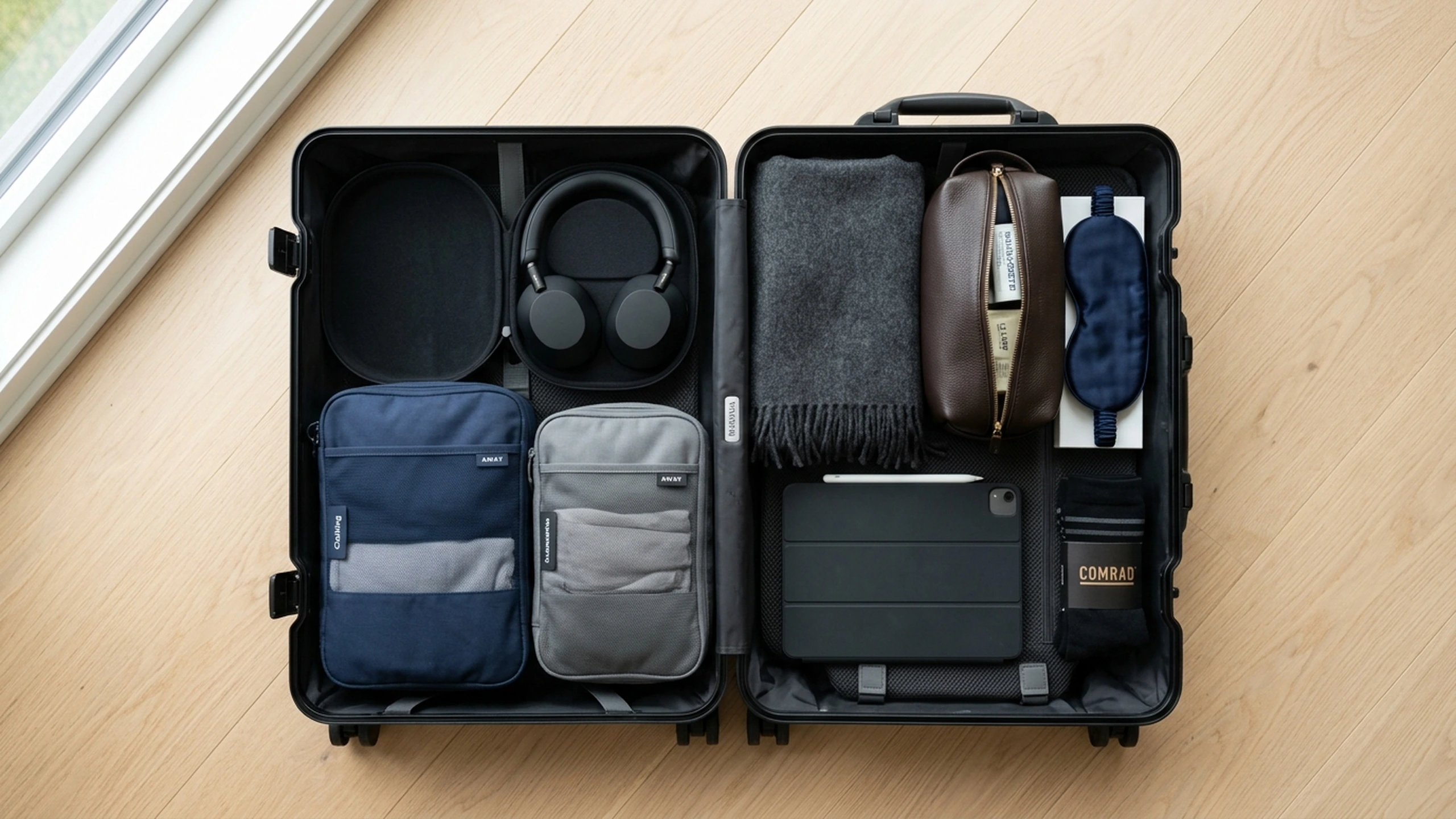
Overhead bin bag: This is your primary carry-on. If you're checking bags, this is where clothes, shoes, and anything bulky lives. The Away Carry-On remains one of the better options I've seen for business travel — the built-in suit compartment is genuinely useful, and the hard shell holds up. The compression packing system also works, though I'd still pair it with packing cubes for shirts and tops. Personal item / underseat bag: This is where your flight comfort items live. Everything you'll actually reach for during the flight: headphones, eye mask, face mist, skincare pouch, phone charger, and your book or iPad. I use a medium-size tote that fits under the seat in front. You do not want to be climbing up to the overhead bin at hour four of a red-eye.The two-bag setup
Overhead bag = clothes and checked-bag overflow. Personal item = everything you'll touch during the flight. Keep them mentally separate when you pack. If you're reaching into the overhead during the flight, something went wrong.
How should I use packing cubes in business class?
Packing cubes are worth it even if you're only in transit for a few days. The real value isn't compression — it's organization. Being able to pull out a cube with just your shirts instead of rooting through everything saves time in hotel rooms when you're tired.
For business travel specifically, I use:
- One cube for shirts and dress clothes
- One cube for workout gear or casual items
- A small flat pouch for cables, adapters, and tech
- A toiletry bag that stays accessible (not buried)
The Away Carry-On's built-in suit compartment handles a suit jacket or blazer without folding it in half. That alone saves you from checking a garment bag.
Luggage allowances: what business class actually gets you
This is one of the most underestimated perks of flying business class.
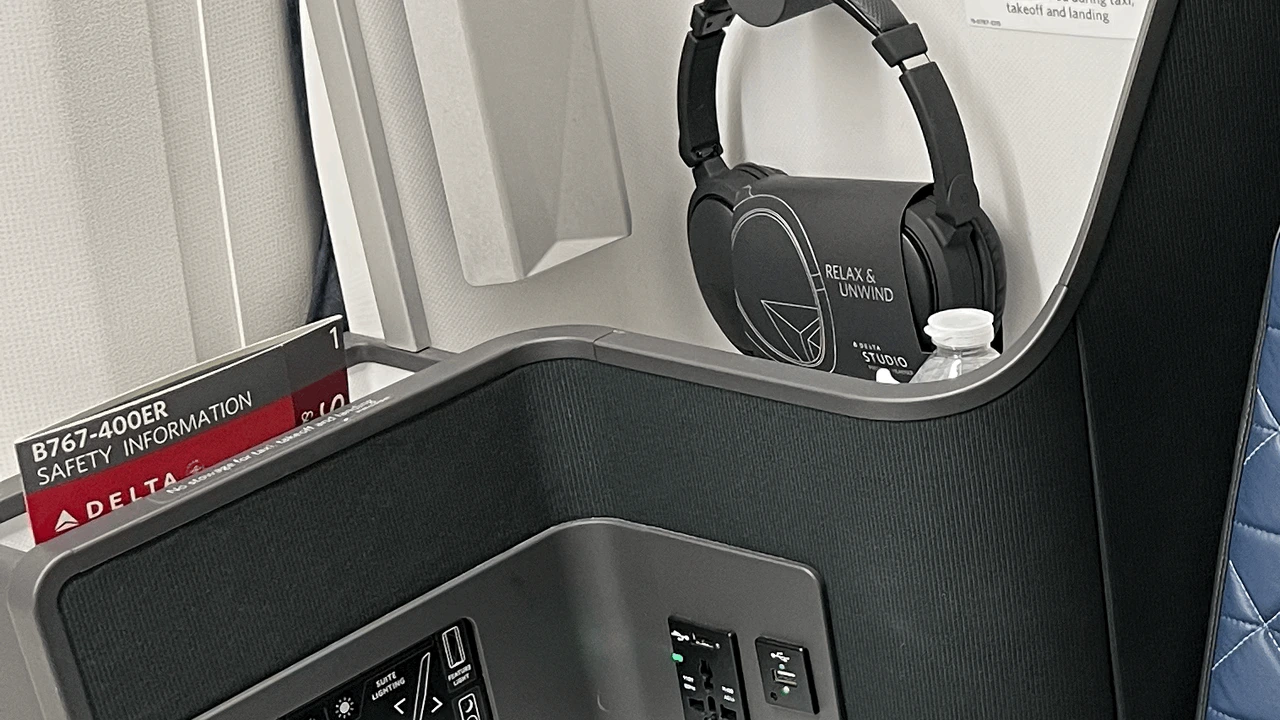
Economy class on most carriers gives you one checked bag at 23kg. Business class typically gives you two checked bags at 32kg each. That's 64kg of checked luggage versus 23kg. On a family trip or a long work trip where you're bringing equipment, that difference is significant.
64kg
Typical business class checked luggage allowance (2 x 32kg)
Specific allowances vary by carrier and route, so always confirm. But as a general rule:
- British Airways Club World: 2 bags x 32kg
- Singapore Airlines Business: 2 bags x 30kg
- Qatar Qsuites: 2 bags x 32kg
- United Polaris: 2 bags x 32kg (70 lbs each on US-metric routes)
- Emirates Business: 2 bags x 32kg
If you browse current deals through BestBusinessClass, the fare class details will include the exact baggage allowance so you're not guessing at the airport.
The tech packing list
What gear actually matters on a long flight?
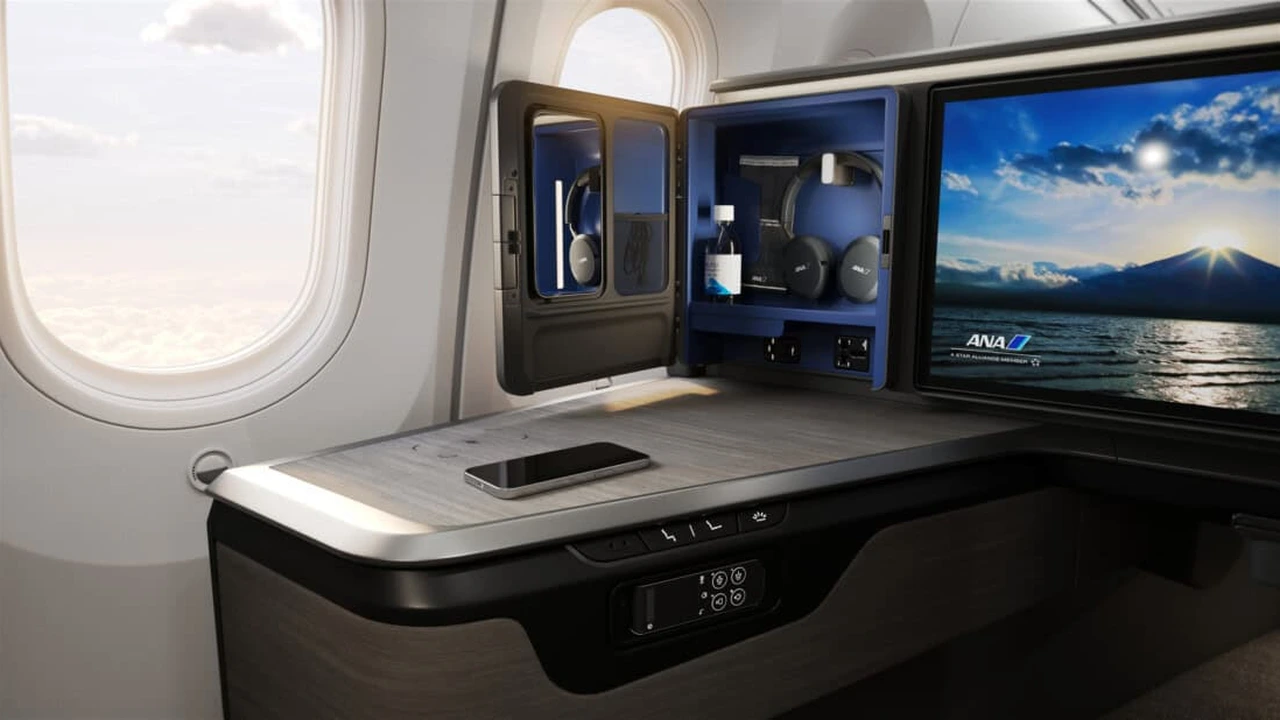
Airlines have gotten better at USB-A power outlets at seats, but USB-C is still inconsistent — especially on older aircraft. Bring your own charging cable regardless.
Here's the short list:
- USB-C cable (2m): Long enough to reach from the seat power outlet without contorting yourself. I keep a spare Anker braided cable permanently in my travel bag.
- Ceptics World Travel Adapter: Handles 150+ countries, has USB-A and USB-C pass-through ports, and doesn't add much weight. If you're flying international routes regularly, you need one of these in your bag at all times.
- Portable battery pack: The seat power outlets are fine for overnight charging, but in the lounge? Outlets are shared and often occupied. A 10,000mAh battery (Anker again, or Mophie) means you're not hunting for a spot near the Nespresso machine.
- Kindle or iPad: I've tried both for long flights. The Kindle wins for pure reading. The iPad Mini wins if you want to watch downloaded content or do light work. Pick one, not both.
Pro Tip
Download your streaming content before you get to the airport. The airline IFE is fine, but having your own queue of shows means you're not at the mercy of what's been loaded on the aircraft.
Garment management: flying in and arriving in clothes that look professional
Business travel has a specific problem economy travel doesn't: you often need to look presentable immediately after landing. You might be walking into a meeting two hours after a transatlantic flight.
Wrinkle-free fabrics are the first line of defense. Wool & Prince makes button-down shirts that genuinely don't wrinkle in transit. Bluffworks trousers are another favorite — they look like dress pants, feel like nothing, and come out of a suitcase looking fine. These aren't cheap, but you wear them constantly.
For suits, the Away Carry-On's suit compartment works for a single jacket and trousers. If you're bringing a full suit that needs to arrive pristine, a Briggs & Riley garment bag as your checked piece is the cleaner solution.
One trick I've used for years: hang anything wrinkled in the bathroom when you shower at the hotel. The steam does most of the work.
Is it worth upgrading your own amenity kit items?
The airline provides an eye mask, earplugs, and basic skincare. Should you bother bringing your own?
For earplugs: yes, if you're a light sleeper. The foam cylinders in amenity kits are fine for casual noise reduction. For actual sleep on a noisy aircraft, Loop Quiet or Flare Calmer Pro earplugs are a step up and pack flat.
For the eye mask: yes, absolutely, as I mentioned above. The Manta Sleep Pro over anything the airline provides.
For skincare: yes, selectively. Don't recreate your full routine. Just bring what you'd actually miss.
For the rest — toothbrush, toothpaste, socks, lip balm — the amenity kit is genuinely sufficient. Don't over-pack to solve a problem that doesn't exist.
On amenity kit upgrades
Qatar's Diptyque kits and Cathay's Bamford kits are genuinely good. If you're flying one of those products, the provided items are worth using. If you're on a carrier with a budget-tier kit — looking at you, some North American carriers — bring your own skincare.
Checking bags vs. carry-on only in business class
There's a school of thought that says carry-on only is always superior. I disagree, at least for business class travelers.
You have the luggage allowance. Use it. Checking a bag means you're not schlepping a heavy carry-on through the terminal, you're not competing for overhead bin space, and you can pack what you actually need for the trip instead of rationing.
The counterargument is lost bags. Fair. If I'm flying a single-stop itinerary on a reliable carrier — say, Singapore Airlines or Qatar Airways — I'll check without hesitation. On tight connections or multi-carrier itineraries, I'm more cautious.
The right answer depends on your trip, not a rule.
$2,847
Average round-trip business class fare, transatlantic (consolidator pricing via BestBusinessClass)
The BBC packing checklist: a perk worth knowing about
One thing that doesn't get mentioned enough: when you book through BestBusinessClass, you're not just getting a discounted fare through consolidator networks. The concierge team puts together a pre-flight packing checklist specific to your airline and route.
Flying Singapore Business Class to Tokyo? The checklist will flag that pajamas are included, note the amenity kit contents so you don't duplicate, and remind you about the long transit through Changi if you're connecting — which changes what you might want accessible in your carry-on.
It's a small thing that takes five minutes to read and saves you from packing things you don't need. If you're booking through BestBusinessClass, ask about it when you call.
New York (JFK)London (LHR)
British Airways · Business Class
$2,200
roundtrip
View route
Los Angeles (LAX)Singapore (SIN)
Singapore Airlines · Business Class
$3,100
roundtrip
View route
What I actually pack: the final list
No fluff, just the items:
Always bring:- Sony WH-1000XM6 or Bose QC Ultra headphones
- Manta Sleep Pro eye mask
- Compression socks (Bombas or Sockwell)
- Dr. Jart face mist (50ml)
- Small skincare pouch (moisturizer, eye cream, lip balm)
- USB-C cable (long)
- Ceptics world adapter
- 10,000mAh battery pack
- Kindle or iPad Mini with downloaded content
- Loop Quiet earplugs
- Neck pillow
- Travel blanket
- Full-size toiletries
- Bulky laptop (unless you're actually working — use an iPad instead)
- Anything that duplicates what the airline provides
The goal is a carry-on you can close without sitting on it, and a personal item that has everything you need within arm's reach for 12 hours. That's it.
If you want help finding the right business class fare for your next trip — and getting that route-specific packing checklist — the team at BestBusinessClass can pull consolidator pricing that often runs 30–50% below retail. Check out how consolidator fares work if you're not familiar with the model.
Call (855) 815-4774 for discounted business class fares
Call NowThis article was created with AI assistance and reviewed by our editorial team.
#tips#packing#premium-travel#accessories#travel-gear
Enjoy our content? Make us a preferred source on Google.
Business class deals, delivered
Join savvy travelers who receive exclusive deals, route tips, and insider knowledge. Free, weekly, no spam.
Unsubscribe anytime. We respect your inbox.
By submitting, you agree to our Privacy Policy and Terms of Service.
Ready to book your business class flight?
Our specialists access unpublished fares and save you up to 40% on premium cabins.