Route Guides10 min readroute-guidemiddle-eastdubai
NYC to Dubai Business Class: Emirates, Etihad & the Best Middle East Routes (2026)
Emirates and Etihad both fly nonstop from New York JFK to the Gulf, and both can be genuinely excellent in business class — but the experience varies enormously depending on which aircraft you land…
BC
BestBusinessClass Team
July 29, 2026
Share
Quick summary
Emirates and Etihad both fly nonstop from New York JFK to the Gulf, and both can be genuinely excellent in business class — but the experience varies enormously depending on which aircraft you land on. Published fares run $4,800–$9,000 round-trip; through BestBusinessClass, most clients pay $2,200–$4,000 for the same seats on the same flights.
There's a reason the NYC to Dubai business class route has become one of the most searched premium cabin itineraries in the world. The Gulf carriers built their entire brand identity around long-haul comfort, and the JFK departure point makes this one of the more accessible ways to experience what the fuss is actually about. Twelve and a half hours in a proper flat bed, a meal service that actually tries, and you wake up somewhere genuinely different.
But "business class" on these routes isn't a single product. It's at least four distinct experiences depending on the aircraft, the configuration, and the year the interior was last refreshed. Some of those experiences are extraordinary. One of them I'd actively try to avoid.
$2,200
Typical round-trip BBC rate for JFK–DXB business class
Emirates JFK to Dubai: the aircraft question that actually matters
Emirates operates daily nonstop service from JFK to Dubai International (DXB), and the flight is roughly 12.5 hours eastbound. The airline typically deploys either the A380 or the 777-300ER on this route, and the gap between those two experiences is wider than most people expect.

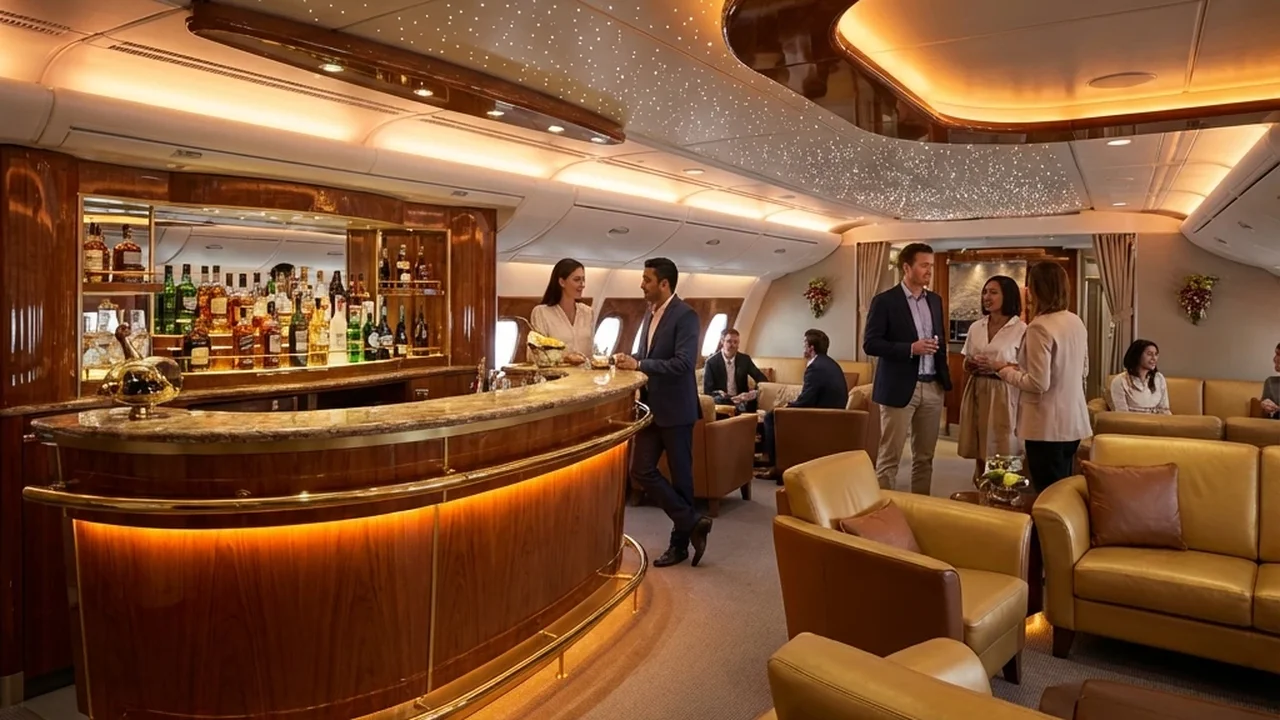
On the A380, Emirates' business class sits on the upper deck in a 1-2-1 staggered configuration. Every seat is aisle-accessible, every seat goes fully flat, and the middle pairs are angled in a way that makes them actually fine for solo travelers who don't mind proximity to a stranger. The real draw is the minibar built into each suite — a small shelf stocked with water, juice, and soft drinks that you can access without pressing a call button. It sounds minor. After hour eight, it's not minor.
Pro Tip
If you're booking Emirates JFK–DXB, check the aircraft type before confirming. The A380 upper deck is a meaningfully better product than the 777 on older configurations.
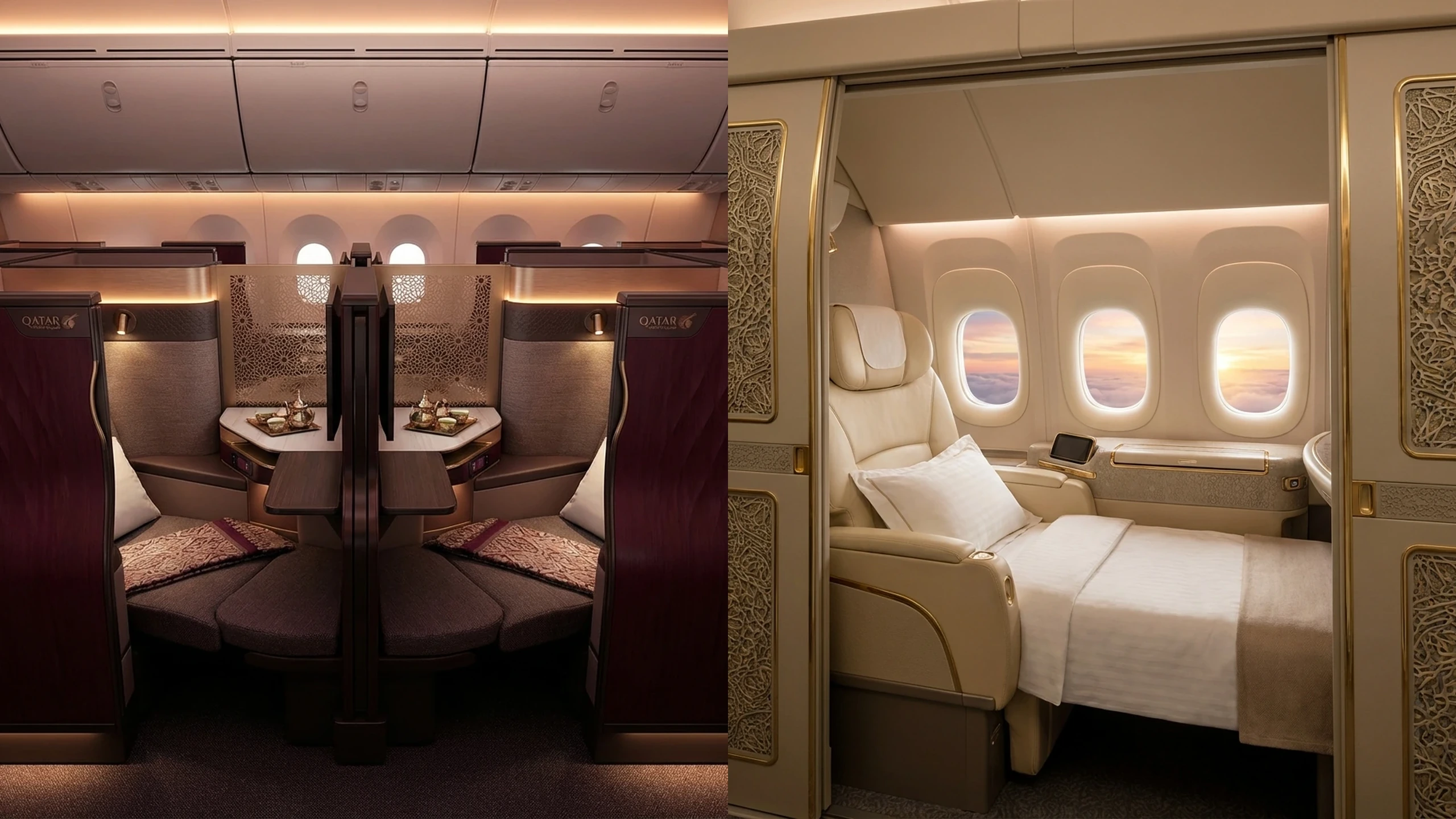
The 777-300ER is more complicated. Emirates has newer 777 interiors with a genuine 1-2-1 layout, but older configurations still fly with an angled-flat 2-2-2 setup. That's not a flat bed. That's a recliner. At 12.5 hours, an angled-flat seat is the difference between arriving functional and arriving wrecked. I've done both. The older 777 config is one I'd pay to avoid.
Does Emirates First Class actually justify the price?
Worth addressing briefly because the question comes up constantly: yes, Emirates First on the A380 is legitimately special, particularly the onboard shower spa. There are two of them on the upper deck, bookable in 5-minute increments, and standing under actual hot water at hour nine somewhere over Eastern Europe is one of those travel experiences that stays with you.
But the First cabin on JFK–DXB runs $8,000–$15,000 published, and the business cabin is genuinely excellent. Unless you're paying with miles or your company has a very generous travel policy, business class on the A380 upper deck is the sweet spot on this route.
12.5 hrs
Approximate flight time, JFK to Dubai (DXB)
The Emirates Lounge at DXB: what it's actually like
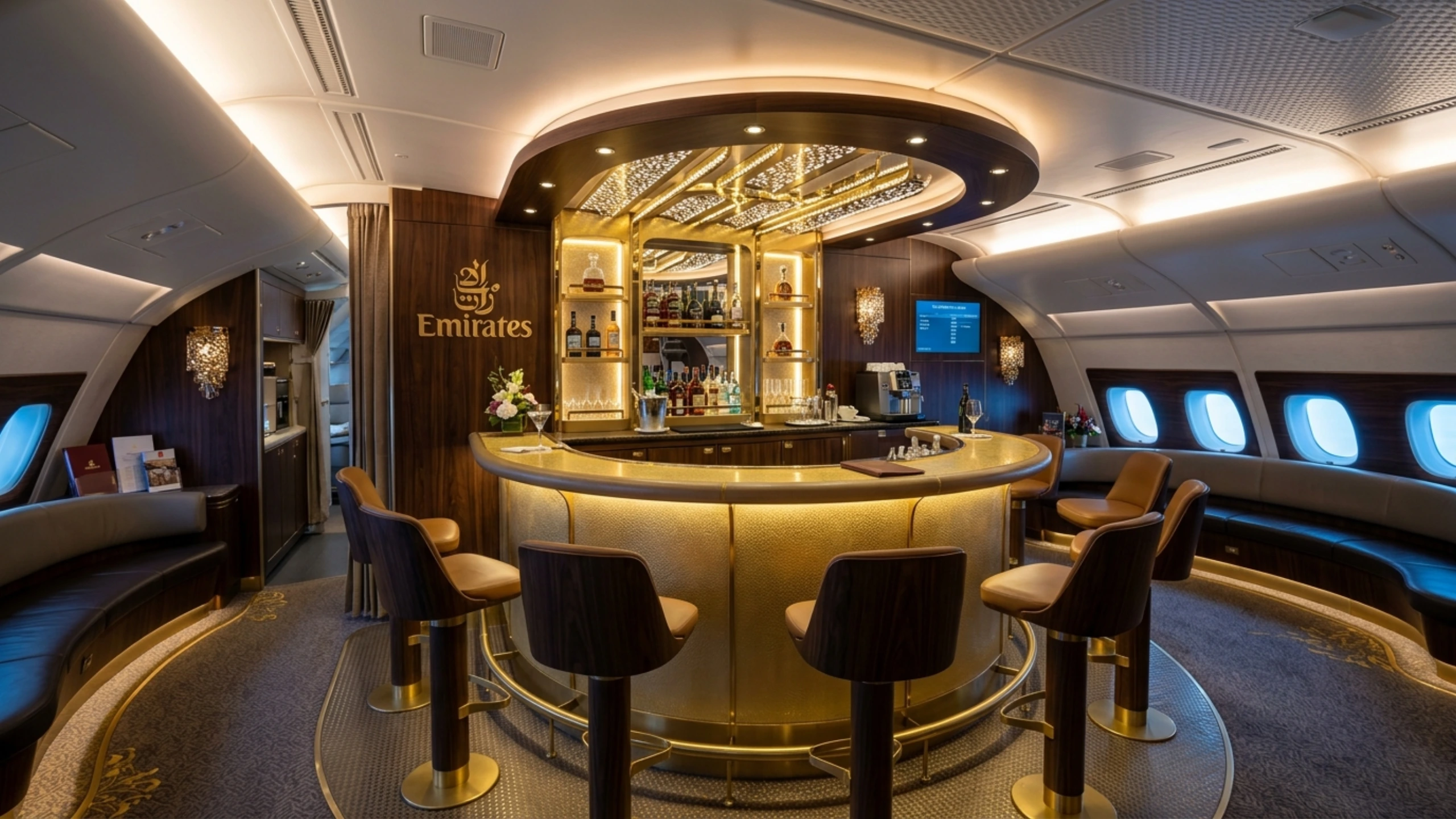
Emirates' Business Class Lounge in Concourse B at Dubai International is one of the better airport lounges I've used consistently. The full-service restaurant component — table service, a proper menu, hot food that doesn't taste like it's been sitting under a heat lamp — is the part that sets it apart from most business lounges globally, which serve buffet food of varying sadness.
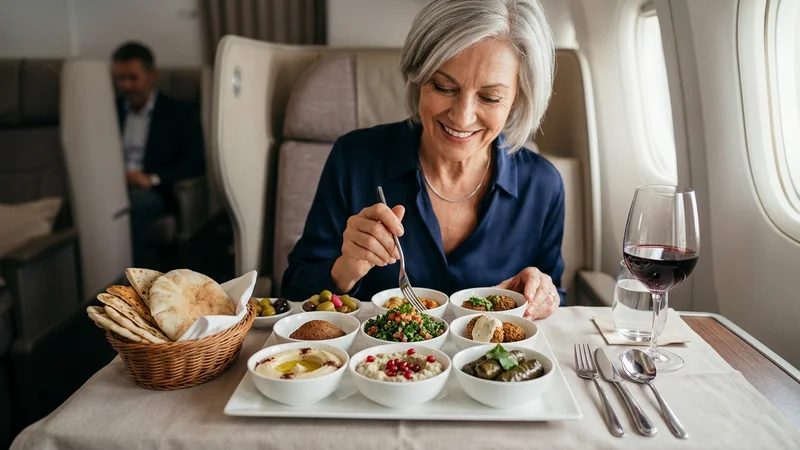
The lounge is large enough that it rarely feels crowded, though peak connection times (usually 0200–0400 local when the European banks of flights turn) can push the restaurant to a 20-minute wait. The cocktail bar is open around the clock.
What it isn't: the Emirates First Class Lounge, which has its own restaurant, spa, and a general atmosphere of studied exclusivity. Business passengers don't get access to that. Worth knowing before you build expectations.
Timing your Dubai arrival
Emirates schedules JFK departures in the early afternoon, putting you into DXB around 9–11 AM local time the following day. This is actually good timing if you're connecting to Asia or East Africa — you get a few hours in the lounge and board an afternoon flight onward. If Dubai is your final destination, you arrive with a full day ahead of you.
Etihad JFK to Abu Dhabi: the A350 vs 787 question
Etihad's competing product on this corridor is JFK to Abu Dhabi (AUH), not Dubai, so you're technically comparing two different destinations. Abu Dhabi is 90 minutes from Dubai by road, and Etihad does offer a free bus connection to Dubai for through passengers, but if Dubai is your actual endpoint, Emirates is the cleaner choice.

That said, Etihad's business class product on the right aircraft is genuinely competitive.
The A350 configuration, which Etihad has been deploying more aggressively on long-haul routes, features a next-generation Business Studio with direct aisle access from every seat, a privacy door, and a seat that converts to a proper flat bed. It's a strong product. I'd put it comfortably alongside the best in the industry.
The 787-9 is older and more variable. The staggered configuration on Etihad's 787 still has all-aisle access, but the privacy and the sheer physical space are noticeably less than the A350. Not bad — just not the flagship experience. Check SeatGuru or the Etihad booking flow's aircraft detail before you commit.
New York (JFK)Abu Dhabi (AUH)
Etihad Airways · Business Class
$2,400
roundtrip
View route
Is Abu Dhabi actually worth a stopover?
Etihad runs a stopover program that costs $50 and includes hotel accommodation in Abu Dhabi for up to two nights. For the price, it's almost absurdly good value. The Louvre Abu Dhabi is legitimately world-class, the Corniche is beautiful, and the city is far less overwhelming to navigate than Dubai for a first-time visitor to the region.
The Emirates equivalent — a 2-night Dubai stopover package — is more expensive but puts you in the center of a city with more to do. Emirates' stopover packages typically run $150–$400 depending on hotel tier, and they're bookable directly through the airline.
If you're routing to Asia or East Africa and can take two extra days, either stopover program is worth considering seriously. Both carriers time their long-haul connections to arrive in the Gulf in the morning and depart for onward destinations in the afternoon or evening, which makes a brief stopover feel natural rather than forced.
What you'll actually pay — and what BestBusinessClass can do about it
Published business class fares on both Emirates and Etihad for JFK to Dubai (or Abu Dhabi) typically run $4,800–$9,000 round-trip. That's not a typo. The airlines price their premium cabins accordingly because they can, and because enough corporate travelers and leisure passengers pay those rates.

$9,000
Top published business class fare, JFK–DXB round-trip
BestBusinessClass works through consolidator networks to access fares that don't appear on Google Flights, Kayak, or the airline's own website. The typical range for the same seats on the same Emirates or Etihad flights runs $2,200–$4,000 round-trip through BestBusinessClass. That's not a promotional fare with a 47-stop itinerary — it's the nonstop, in the flat-bed business cabin, with the same baggage and lounge access.
The mechanism is consolidator pricing: airlines sell blocks of seats to wholesale partners at negotiated rates, particularly on inventory that would otherwise go unsold. BestBusinessClass's job is to find those fares and match them to clients. It's not glamorous, but it works, and the savings on a $7,000 published fare are substantial enough to matter.
Browse current deals on Gulf carrier business class here.For families traveling to the region, BestBusinessClass has a specific advantage worth calling out: group pricing. Getting six or eight seats in business class together on Emirates or Etihad at retail rates is genuinely painful — airlines price group bookings at premium rates, and availability gets complicated fast. BestBusinessClass handles group bookings through the same consolidator network, which typically results in better per-seat pricing and actual seat assignment coordination. If you're moving a family to Dubai for the winter or planning a multi-generational trip, it's worth a conversation.
Holiday surcharges are real and significant
Thanksgiving week, Christmas through New Year's, and the February school break push business class fares on this route 30–40% above baseline. A fare that's $2,800 through BestBusinessClass in October can hit $3,900–$4,200 for the same cabin in late December. Book early or book through a consolidator who can sometimes access holiday inventory at better rates than retail.
The 12.5-hour flight: what to expect cabin by cabin
Eastbound from JFK, you depart in the early-to-mid afternoon and land in Dubai or Abu Dhabi the following morning. That's a useful schedule: you get a proper dinner service, a few hours of sleep (with a flat bed, actually achievable), and arrive with daylight ahead.
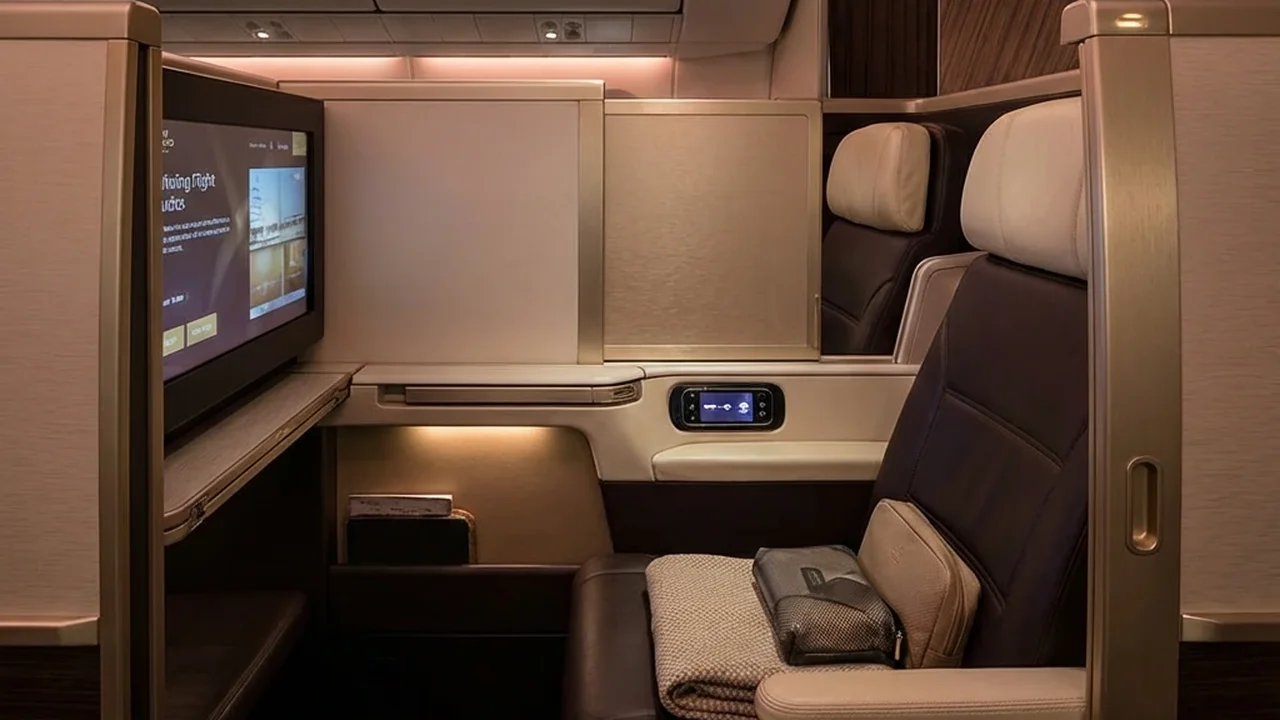
Emirates' meal service in business is multi-course and takes about 90 minutes if you go through the full sequence. The menu changes seasonally and includes a "dine on demand" option, which means you can eat when you want rather than following the crew's schedule. I've found the Middle Eastern dishes consistently more interesting than the Western options — the lamb dishes in particular are usually the best thing on the menu.
Etihad's service is comparable, maybe slightly more formal in presentation. The Business Studio on the A350 has a larger table surface, which makes the meal experience feel a bit more like sitting down rather than balancing plates on a tray.
Both carriers have solid entertainment libraries — Emirates' ICE system has over 5,000 channels, which is more than you'll get through, and the screens are large enough to actually watch a film rather than squint at it. Etihad's screens are slightly smaller on the 787 but comparable on the A350.
Pro Tip
On the eastbound overnight, take the sleeping medication option seriously. Both airlines offer it in the amenity kit or can provide it on request. A full flat bed at 35,000 feet sounds like it should be easy to sleep in — and it mostly is — but the cabin pressure and dry air work against you. Hydrate aggressively, skip the second glass of wine, and you'll land in decent shape.
Connecting onward: Dubai and Abu Dhabi as hubs
One of the reasons these routes are worth understanding beyond the seat quality is that Dubai and Abu Dhabi both function as genuinely excellent connecting hubs for travel to South Asia, Southeast Asia, and East Africa.
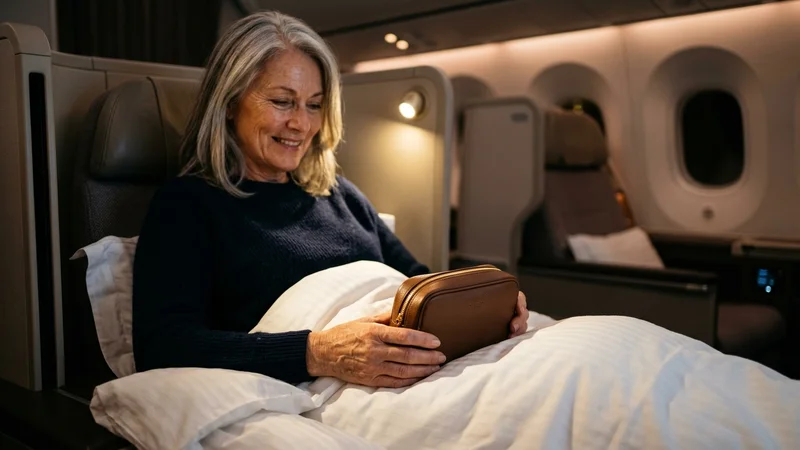
Emirates operates connections from DXB to Mumbai, Delhi, Bangkok, Singapore, Nairobi, and dozens of other cities on frequencies that make the timing work almost regardless of when you arrive from New York. The terminal is large but navigable, and the connection experience for business passengers — separate security lines, lounge access, priority boarding — is smooth.
Etihad's AUH hub is smaller and, frankly, easier to connect through. The airport is less chaotic than DXB at peak hours, and the business lounge is well-designed. The trade-off is fewer frequency options for onward connections, though the major South Asian and Southeast Asian routes are all covered.
See our full Emirates business class guide for more on DXB connections and what to expect across the network. Etihad Airways business class breakdown here.Booking strategy for 2026
If you're targeting travel in 2026, the window for best pricing is generally 3–6 months out for consolidator fares. The airlines open their booking calendars 330+ days in advance, but the best consolidator inventory tends to appear in the 90–180 day window before departure.

For holiday travel specifically — Thanksgiving, Christmas, February — book earlier. The consolidator fares at those times go quickly, and waiting until 60 days out will put you back into retail pricing territory.
$50
Etihad Abu Dhabi stopover package starting price
The other variable worth tracking is aircraft assignment. Emirates in particular changes equipment on JFK–DXB with some regularity depending on operational needs. Book the A380, confirm the A380, and check again 72 hours before departure. If the aircraft changes to an older 777 configuration, that's worth a call to BestBusinessClass to discuss options.
Check current NYC to Dubai business class pricing and availability. Emirates vs Etihad business class: a full comparison.The bottom line on this route is that it rewards some homework. The gap between the best seat on an Emirates A380 upper deck and a mediocre configuration on an older 777 is the difference between a flight you'll talk about for years and one you'll spend 12 hours managing. Get the right aircraft, get the right price, and the NYC to Dubai business class experience genuinely earns its reputation.
Get discounted Emirates and Etihad business class fares through BestBusinessClass — call for current consolidator rates on JFK to Dubai and Abu Dhabi.
Call NowThis article was created with AI assistance and reviewed by our editorial team.
#route-guide#middle-east#dubai#nyc#emirates#etihad
Enjoy our content? Make us a preferred source on Google.
Business class deals, delivered
Join savvy travelers who receive exclusive deals, route tips, and insider knowledge. Free, weekly, no spam.
Unsubscribe anytime. We respect your inbox.
By submitting, you agree to our Privacy Policy and Terms of Service.
Ready to book your business class flight?
Our specialists access unpublished fares and save you up to 40% on premium cabins.
Related Routes