Business class flights from Austin (AUS) to Dubrovnik (DBV) start from $3,000 round-trip — up to 40% below published airline prices. The ~13 hours journey covers 5,974 miles, with 3 airlines offering lie-flat seats on this route. Best time to book: 3–6 months in advance for best fares.

AUS → DBV
Austin to Dubrovnik Business Class
From$3,000
Quick Verdict
Updated October 2026Austin to Dubrovnik business class fares start at $3,000 round-trip, with airlines including American Airlines, Delta Air Lines, United Airlines. The ~13 hours flight covers 5,974 miles. Peak season: June–August, December. Best value: January–March, November. Book through BestBusinessClass.com to save up to 40%.
From$3,000
Top AirlinesAmerican Airlines · Delta Air Lines · United Airlines
Flight Time~13 hours
Best MonthsJanuary–March
Route Overview
Starting From
$3,000 round-trip
Flight Duration
~13 hours
Distance
5,974 miles
Best Value
Jan, Feb, Mar
Savings
Up to 60% off retail
Route Intelligence
Business Class from Austin to Dubrovnik
Round-trip business class fares between Austin and Dubrovnik run $3,000–$7,450 through BestBusinessClass.com, roughly 30-45% below what you'd pay booking directly with American, Delta, or United for the same lie-flat product. That's a meaningful spread on a 5,974-mile itinerary that typically takes around 13 hours of flying time plus a connection, since Austin doesn't have nonstop widebody service to Europe. Most Austin to Dubrovnik business class routings connect through a US gateway — Dallas, Charlotte, Atlanta, Minneapolis, Houston, or Chicago — before crossing the Atlantic, then usually a second connection in a European hub like Munich, Zurich, or Frankfurt to reach Dubrovnik's smaller regional airport.
Airlines & Cabin Experience
Dubrovnik pulls travelers for its walled Old Town, the limestone streets polished smooth by centuries of foot traffic, and its position as a jumping-off point for the Dalmatian Coast and nearby islands like Korčula and Hvar. It's also become a magnet for Game of Thrones fans walking the city walls, and for sailors chartering boats along the Adriatic. Because it's a seasonal, sun-driven destination, summer flights get expensive and crowded, while shoulder-season travel offers a quieter city and considerably cheaper business class fares.
Pricing & Best Time to Fly
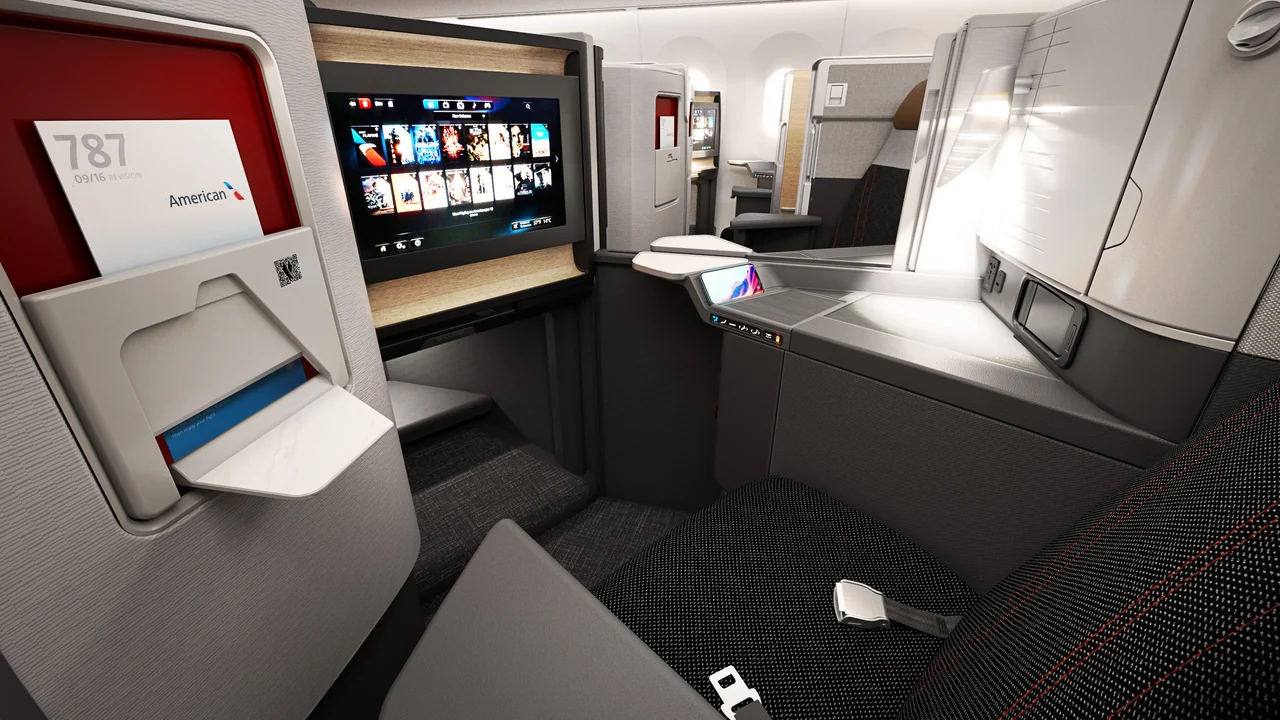
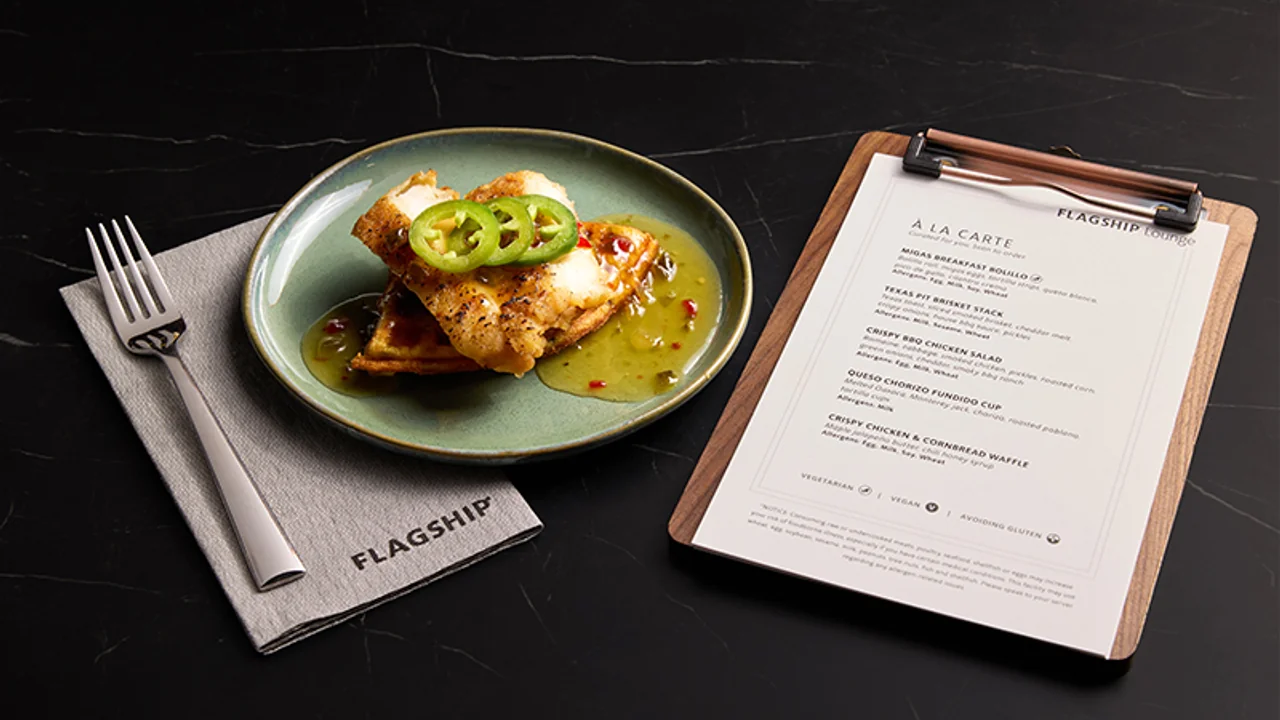
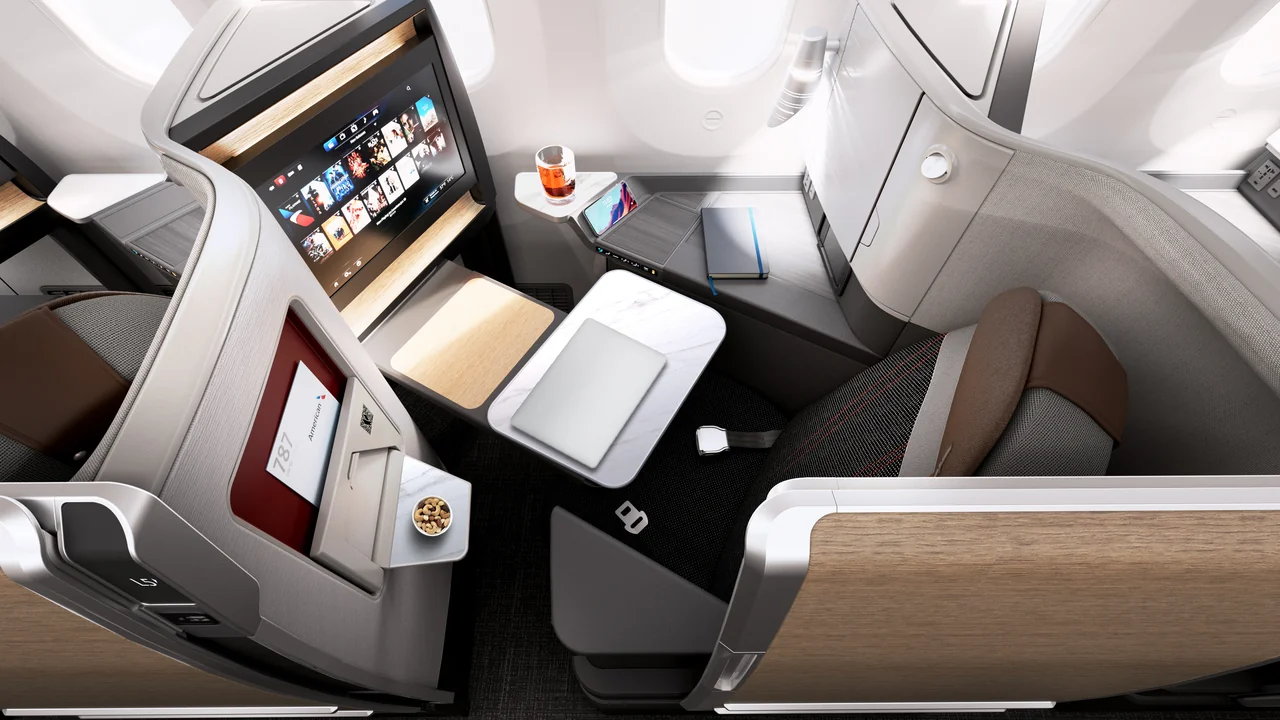
On the airline side, American's Flagship Business gives you a lie-flat suite in 1-2-1 configuration, access to Flagship Lounges at major connecting hubs, and Casper bedding for the overnight transatlantic leg. Delta's Delta One Suite goes a step further with a closing door for full privacy, plus a Tumi amenity kit — a nice touch on a routing this long. United's Polaris product offers a lie-flat pod, also 1-2-1, Polaris lounge access at hubs like Chicago or Houston, and Saks Fifth Avenue bedding. All three are strong choices for Austin to Dubrovnik business class; the real differentiator tends to be which US hub works best with your connection and which lounge experience you value more before the long eastbound overnight flight.
Why Book Through BestBusinessClass.com
Pricing on this route swings widely depending on season and how far out you book. January, February, March, October, and November are consistently the best months — airlines discount business class inventory heavily since Croatia's tourist crush eases and connecting fares from Austin drop with it. Booking 3-4 months ahead in these windows typically nets the lower end of that $3,000-$7,450 range, while summer travel (June through August) pushes fares toward the top or beyond, when Dubrovnik is at its busiest and airline space is tightest. If your travel dates are flexible, shifting even two weeks outside peak summer can mean a difference of $1,500-$2,000 round-trip.
Travel Tips
Because this is an eastbound overnight itinerary with at least one, often two, connections, plan your seat selection and layover time carefully. Eastbound red-eyes mean you'll want a true lie-flat seat to arrive in Europe rested — all three carriers deliver that here — and a connection window of at least 90 minutes in Europe gives you breathing room if the transatlantic leg runs late. Given the multiple connection points from Austin, a Personal Travel Manager who can compare routings through DFW, CLT, ATL, MSP, IAH, and ORD side by side saves real time and often finds better lie-flat availability than searching one hub at a time.
Airline Comparison
| Airline | Product | Seat Configuration | Alliance | Key Features | Review |
|---|---|---|---|---|---|
| American Airlines | Flagship Business | Lie-flat suite, 1-2-1 | OneWorld | Flagship Lounge, Casper bedding | Read Review |
| Delta Air Lines | Delta One Suite | Suite with closing door, 1-2-1 | SkyTeam | Delta One Suite privacy, Tumi amenity kit | Read Review |
| United Airlines | United Polaris | Lie-flat pod, 1-2-1 | Star Alliance | Polaris lounge access, Saks Fifth Avenue bedding | Read Review |
American Airlines
Flagship Business
Lie-flat suite, 1-2-1
Flagship Lounge, Casper bedding
Read Full Review →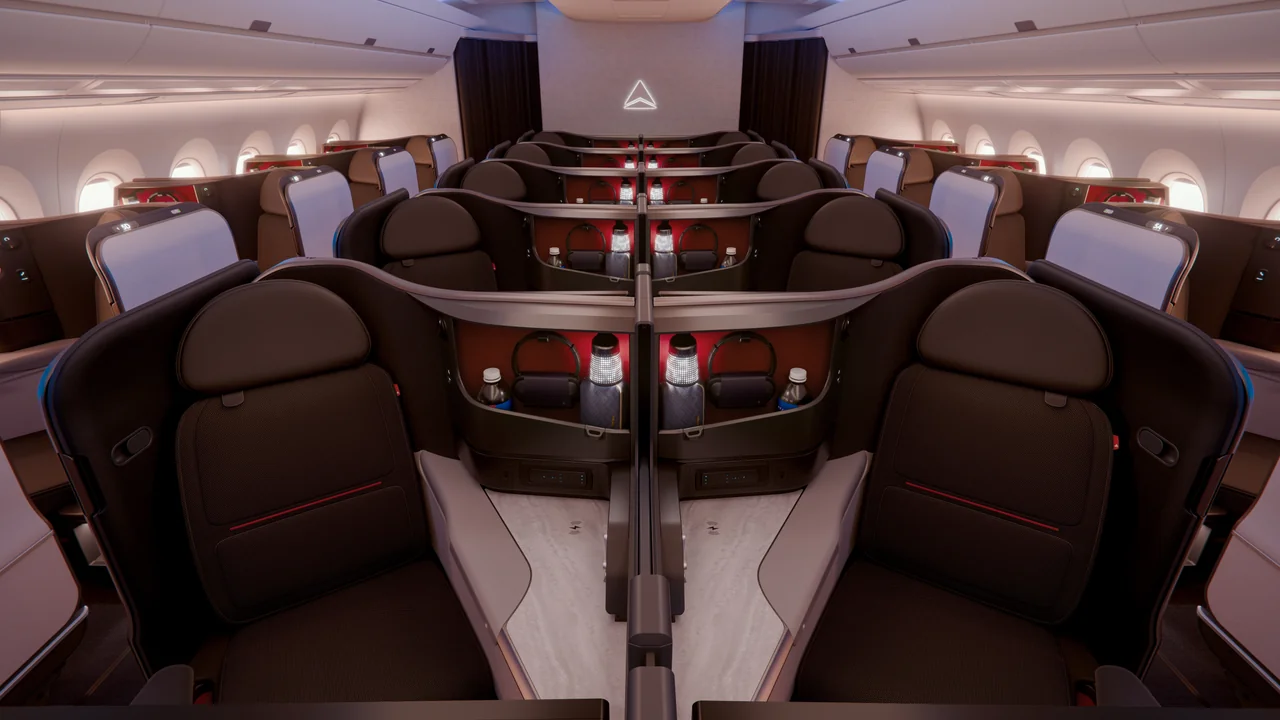
Delta Air Lines
Delta One Suite
Suite with closing door, 1-2-1
Delta One Suite privacy, Tumi amenity kit
Read Full Review →
United Airlines
United Polaris
Lie-flat pod, 1-2-1
Polaris lounge access, Saks Fifth Avenue bedding
Read Full Review →Best Time to Book
When Should You Book Austin to Dubrovnik Business Class?
Business class fares from Austin to Dubrovnik range from $3,000 to $7,450 round-trip, depending on season and advance booking. The best value is during January–March, November. Peak fares occur June–August, December. Booking 3–6 months ahead and choosing midweek departures typically yields 20–35% savings.
JanBest Value
FebBest Value
MarBest Value
AprAverage
MayAverage
JunPeak Pricing
JulPeak Pricing
AugPeak Pricing
SepAverage
OctAverage
NovGood Value
DecPeak Pricing
💚 Best Value — $3,000–$4,113
💛 Good Value — $3,890–$5,225
🟠 Average — $4,780–$6,115
🔴 Peak Pricing — $5,670–$7,450
Top Rated
By Travelers
Up to 40%
Savings
Licensed
Accredited
24/7
Live Support
Operated by LUX Services LLC|FL Seller of Travel #ST46311
The Business Class Standard
Lie-Flat Guarantee
We only sell true Business Class. 180° fully flat beds on all long-haul routes, ensuring you arrive rested.
Premium Lounges
Access the world's finest lounges. Enjoy pre-flight dining, showers, and quiet workspaces before you board.
Priority Service
Skip the queues. Your ticket includes fast-track security, priority boarding, and premium baggage handling.
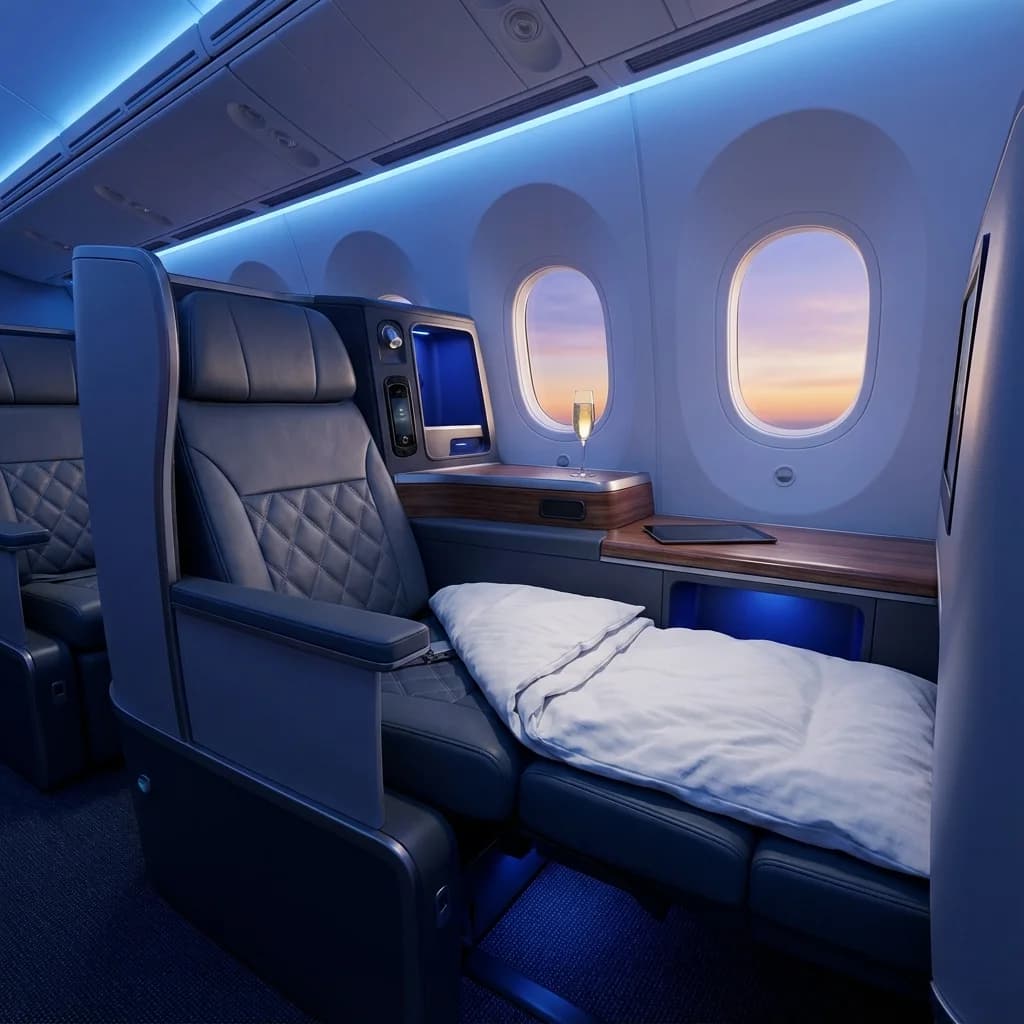
The Business Class Standard
Lie-Flat Guarantee
We only sell true Business Class. 180° fully flat beds on all long-haul routes, ensuring you arrive rested.
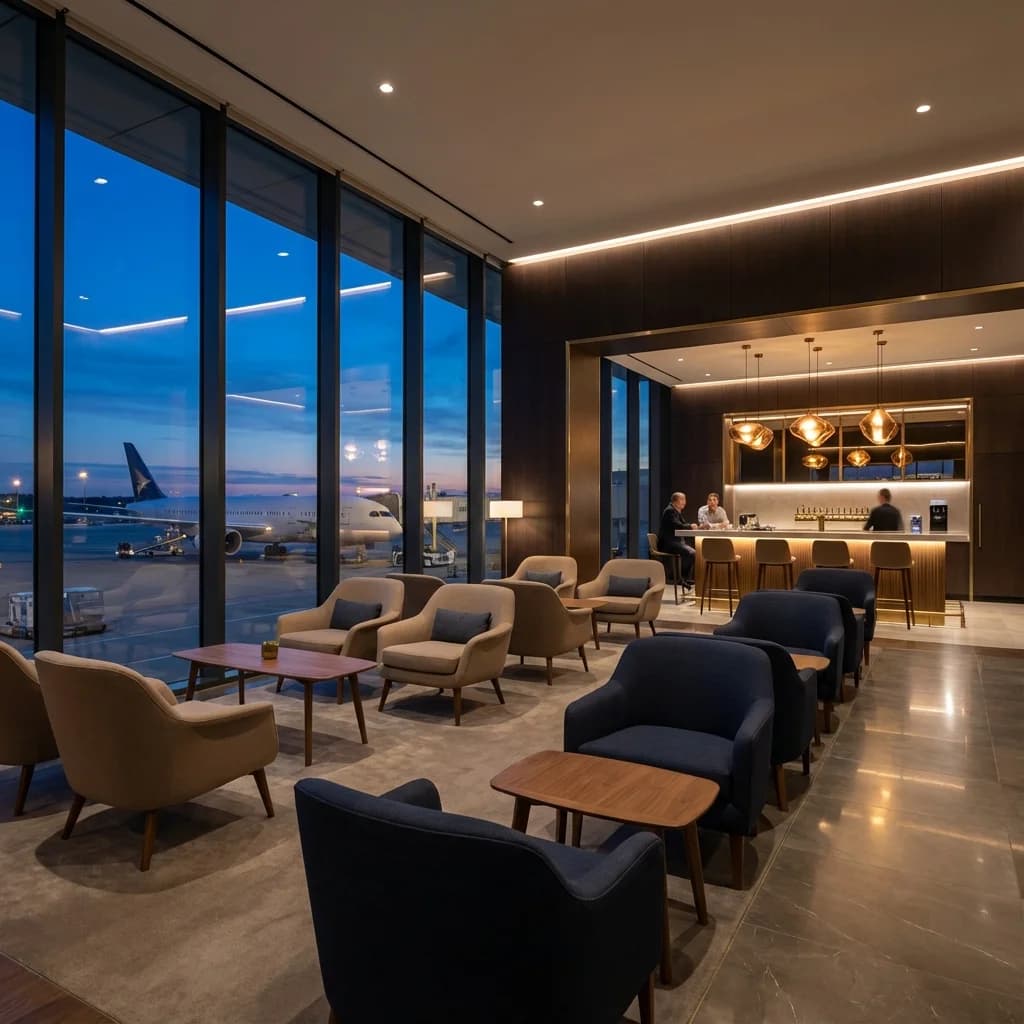
Premium Lounges
Access the world's finest lounges. Enjoy pre-flight dining, showers, and quiet workspaces before you board.

Priority Service
Skip the queues. Your ticket includes fast-track security, priority boarding, and premium baggage handling.
FAQs: Austin to Dubrovnik Business Class
Travel Guides
Insights for Dubrovnik Travelers



What Our Travelers Say
Client Feedback
Verified insights from travelers booking discounted international business class flights.
Ready to book Austin to Dubrovnik?
Our travel experts have access to unpublished fares. Save up to 40%.