Business class flights from Boston (BOS) to Maun (MUB) start from $2,650 round-trip — up to 40% below published airline prices. The ~14 hours journey covers , with 1 airlines offering lie-flat seats on this route. Best time to book: 3–6 months in advance for best fares.

BOS → MUB
Boston to Maun Business Class
From$2,650
Quick Verdict
Updated October 2026Boston to Maun business class fares start at $2,650 round-trip, with airlines including Ethiopian Airlines. The ~14 hours flight covers . Peak season: June–September (Safari season). Best value: January–May. Book through BestBusinessClass.com to save up to 40%.
From$2,650
Top AirlinesEthiopian Airlines
Flight Time~14 hours
Best MonthsJanuary–May
Route Overview
Starting From
$2,650 round-trip
Flight Duration
~14 hours
Best Value
Jan, Feb, Jun
Savings
Up to 60% off retail
Route Intelligence
Business Class from Boston to Maun
Maun is the launch point for Botswana's premier safari country — the Okavango Delta, Moremi Game Reserve, and the private concessions of the Linyanti and Kwando. Travelers heading here aren't stopping in Maun itself; they're connecting to bush planes bound for tented camps that charge $1,000+ per night, which is exactly why the flight in should match the trip. Booking Boston to Maun business class gets you a flat bed and real sleep before the safari starts, which matters more on this route than almost any other, since the journey involves a long-haul overnight sector followed by at least one, often two, connections before a small regional aircraft delivers you to Maun's compact airport.
Airlines & Cabin Experience
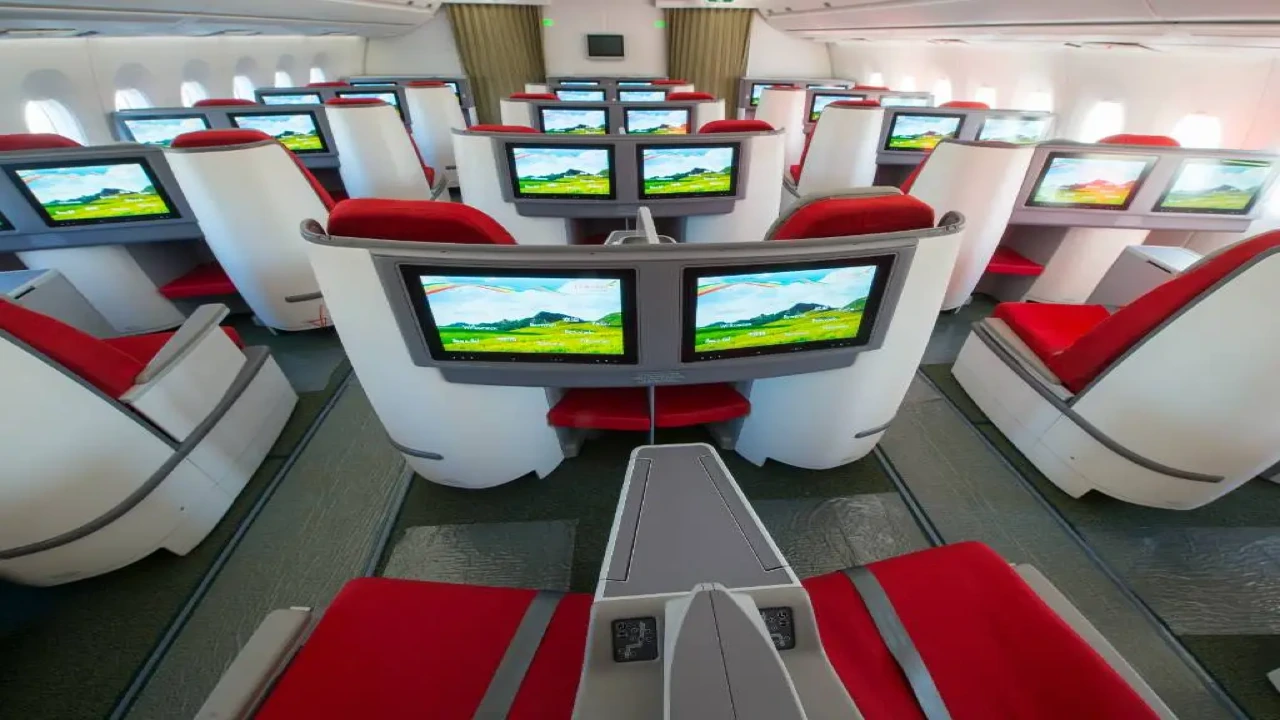
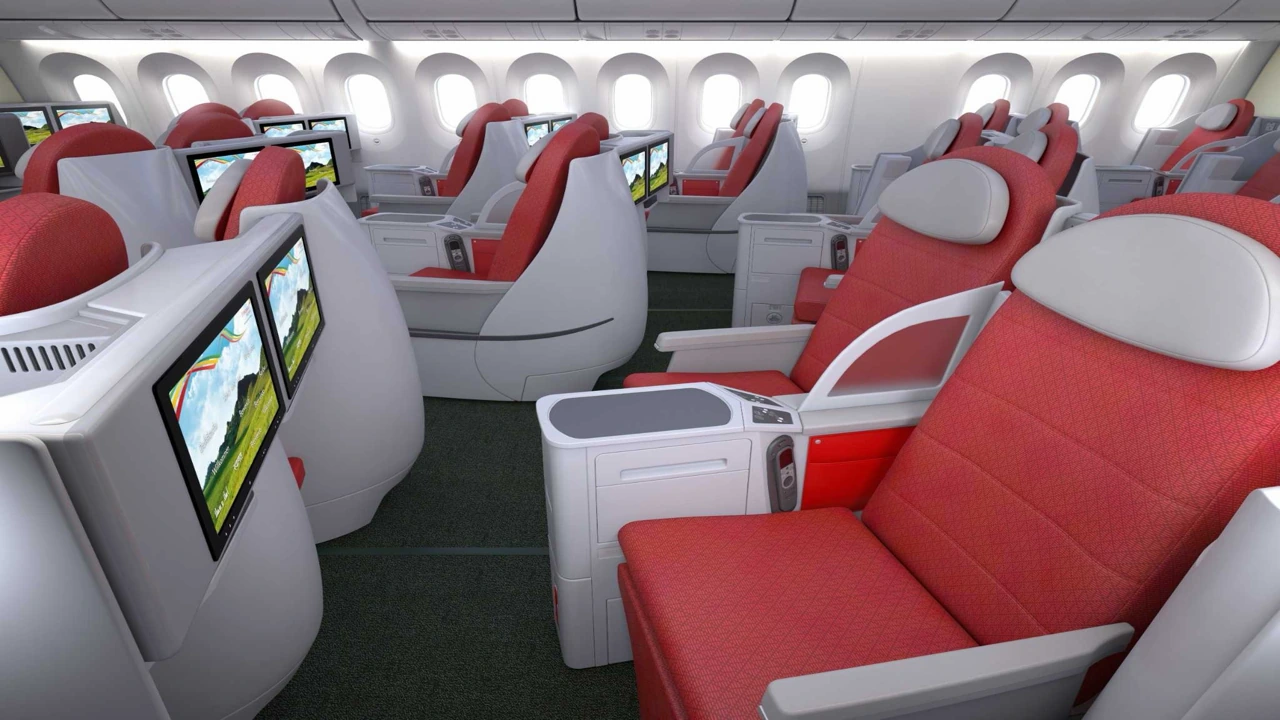
No airline flies nonstop from the US to Maun, so the routing runs through a major hub. Ethiopian Airlines connects via Addis Ababa, and its Cloud Nine cabin — a 2-2-2 lie-flat product — is the most direct option network-wise, since Ethiopian has strong onward links into southern Africa and even seasonal service closer to Botswana. Qatar Airways routes through Doha, and Qsuite is genuinely the best hard product in the sky right now: sliding doors, a proper suite feel, and the flexibility to configure quad seating if you're traveling with a partner. Emirates connects via Dubai, often on the A380, with a 1-2-1 lie-flat cabin, onboard bar, and the deepest ICE entertainment library of the three. All three require a final connection into Botswana — typically through Johannesburg or Gaborone — with the last hop to Maun flown on a smaller regional aircraft, so budget realistic connection time rather than assuming a tight transfer.
Pricing & Best Time to Fly
On pricing, our fares for Boston to Maun business class run $2,650–$7,500 round-trip, with the wide range driven almost entirely by season and how far out you book. January, February, June, July, and August line up with Botswana's dry season and peak wildlife viewing, when game concentrates around remaining water sources — this is also when safari lodges sell out first, so the flights fill early. December sits in the green season, quieter and cheaper on the ground but still popular with travelers chasing lighter crowds and dramatic skies. Because these are consolidator fares pulled from wholesale airline allotments rather than published retail rates, availability shifts week to week, and the best pricing on Qsuite and Cloud Nine in particular tends to disappear 60–90 days before dry season departures. Booking four to six months ahead gives our Travel Managers the most room to work multiple airlines and routings against your dates.
Why Book Through BestBusinessClass.com
The flight itself breaks into two very different halves. The transatlantic or transcontinental long-haul leg — roughly 13 to 14 hours depending on hub — is where the lie-flat seat earns its keep, especially on an eastbound overnight departure when arriving rested actually changes how your first day or two of safari feels. The connecting legs are shorter and often in a different, sometimes narrower cabin, so don't expect Qsuite all the way through; the premium product is concentrated on the marquee long-haul sector. Given the number of legs involved, seat selection and lounge access across connections matter more here than on a typical two-segment trip, and it's worth having someone coordinate the full itinerary rather than booking each leg separately.
Travel Tips
Because this route has no single simple path, working with a Travel Manager who can compare Ethiopian, Qatar, and Emirates routings side by side — checking real connection times into Maun, not just fare price — tends to save both money and aggravation. That's the whole value of booking Boston to Maun business class through a consolidator: the fare savings are real, but so is the routing expertise needed to make a multi-stop safari transfer actually work.
Airline Comparison
| Airline | Product | Seat Configuration | Alliance | Key Features | Review |
|---|---|---|---|---|---|
| Ethiopian Airlines | Cloud Nine | Lie-flat, 2-2-2 | Star Alliance | African gateway carrier, Star Alliance hub | Read Review |
Best Time to Book
When Should You Book Boston to Maun Business Class?
Business class fares from Boston to Maun range from $2,650 to $7,500 round-trip, depending on season and advance booking. The best value is during January–May. Peak fares occur June–September (Safari season). Booking 3–6 months ahead and choosing midweek departures typically yields 20–35% savings.
JanBest Value
FebBest Value
MarGood Value
AprGood Value
MayGood Value
JunBest Value
JulPeak Pricing
AugPeak Pricing
SepPeak Pricing
OctAverage
NovAverage
DecAverage
💚 Best Value — $2,650–$3,863
💛 Good Value — $3,620–$5,075
🟠 Average — $4,590–$6,045
🔴 Peak Pricing — $5,560–$7,500
Top Rated
By Travelers
Up to 40%
Savings
Licensed
Accredited
24/7
Live Support
Operated by LUX Services LLC|FL Seller of Travel #ST46311
The Business Class Standard
Lie-Flat Guarantee
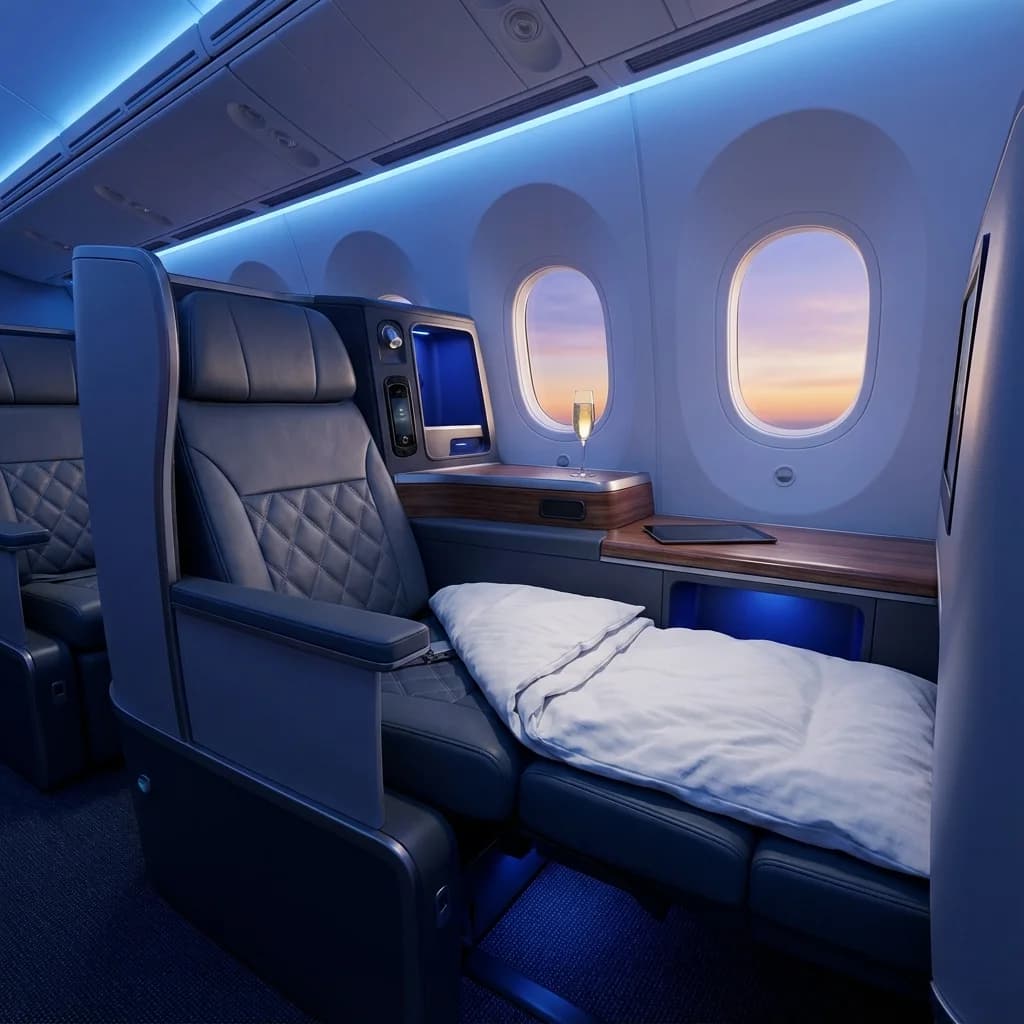
We only sell true Business Class. 180° fully flat beds on all long-haul routes, ensuring you arrive rested.
Premium Lounges
Access the world's finest lounges. Enjoy pre-flight dining, showers, and quiet workspaces before you board.
Priority Service
Skip the queues. Your ticket includes fast-track security, priority boarding, and premium baggage handling.
The Business Class Standard
Lie-Flat Guarantee
We only sell true Business Class. 180° fully flat beds on all long-haul routes, ensuring you arrive rested.
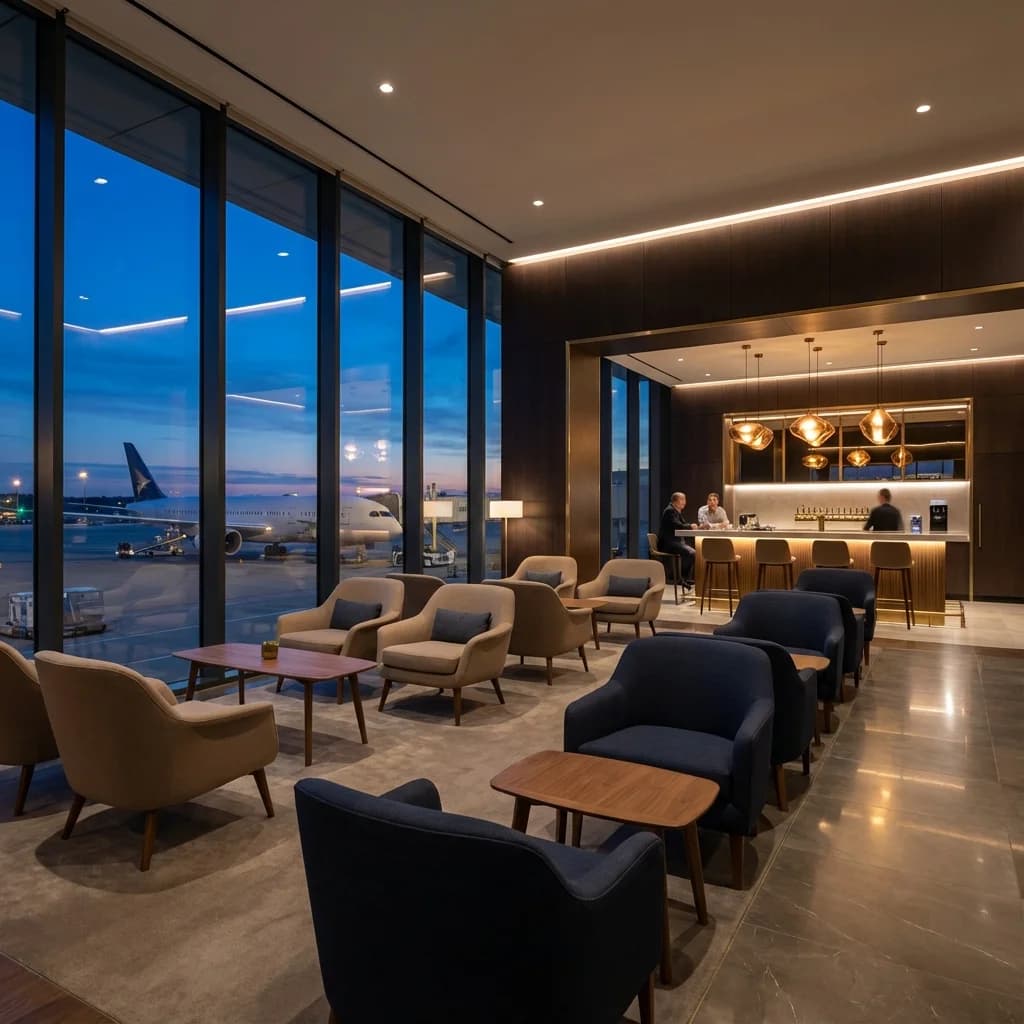
Premium Lounges
Access the world's finest lounges. Enjoy pre-flight dining, showers, and quiet workspaces before you board.
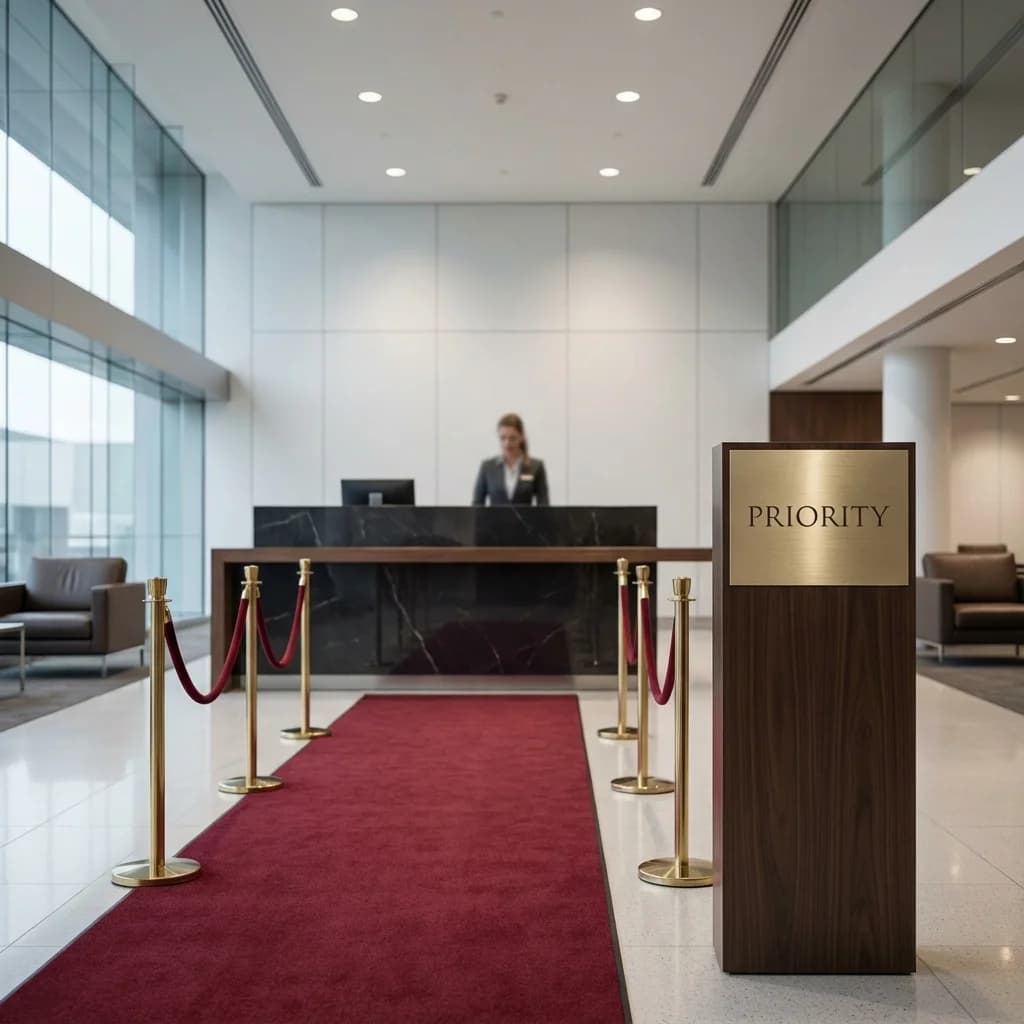
Priority Service
Skip the queues. Your ticket includes fast-track security, priority boarding, and premium baggage handling.
FAQs: Boston to Maun Business Class
Travel Guides
Insights for Maun Travelers

What Our Travelers Say
Client Feedback
Verified insights from travelers booking discounted international business class flights.
Ready to book Boston to Maun?
Our travel experts have access to unpublished fares. Save up to 40%.