Business class flights from Buffalo (BUF) to Milan (MXP) start from $2,650 round-trip — up to 40% below published airline prices. The ~9 hours journey covers 4,101 miles, with 3 airlines offering lie-flat seats on this route. Best time to book: 3–6 months in advance for best fares.

BUF → MXP
Buffalo to Milan Business Class
From$2,650
Quick Verdict
Updated October 2026Buffalo to Milan business class fares start at $2,650 round-trip, with airlines including American Airlines, Delta Air Lines, United Airlines. The ~9 hours flight covers 4,101 miles. Peak season: June–August, December. Best value: January–March, November. Book through BestBusinessClass.com to save up to 40%.
From$2,650
Top AirlinesAmerican Airlines · Delta Air Lines · United Airlines
Flight Time~9 hours
Best MonthsJanuary–March
Route Overview
Starting From
$2,650 round-trip
Flight Duration
~9 hours
Distance
4,101 miles
Best Value
Jan, Feb, Mar
Savings
Up to 60% off retail
Route Intelligence
Business Class from Buffalo to Milan
Business class flights from Buffalo to Milan run $2,650–$6,600 round-trip through BestBusinessClass.com, with three major US carriers routing passengers through their domestic hubs before the transatlantic hop to Malpensa. Since Buffalo has no direct widebody service to Europe, the actual long-haul flying happens out of Dallas, Charlotte, Atlanta, Minneapolis, Houston, or Chicago depending on which airline you choose, and that connection point matters as much as the airline itself when you're trying to land a lie-flat seat for the overnight leg.
Airlines & Cabin Experience
Milan draws a different crowd than Rome or Florence — it's the business and fashion capital, so a good share of Buffalo to Milan business class travelers are heading in for finance, design, or manufacturing meetings, with leisure travelers using it as a gateway to the Lakes region, Lake Como, or a quick train up to the Alps. The Duomo, the Navigli canal district, and the shopping around Via Montenapoleone keep it interesting for a few days even if you're mainly there for work, and Malpensa's rail link into the city center is straightforward after a long flight.
Pricing & Best Time to Fly
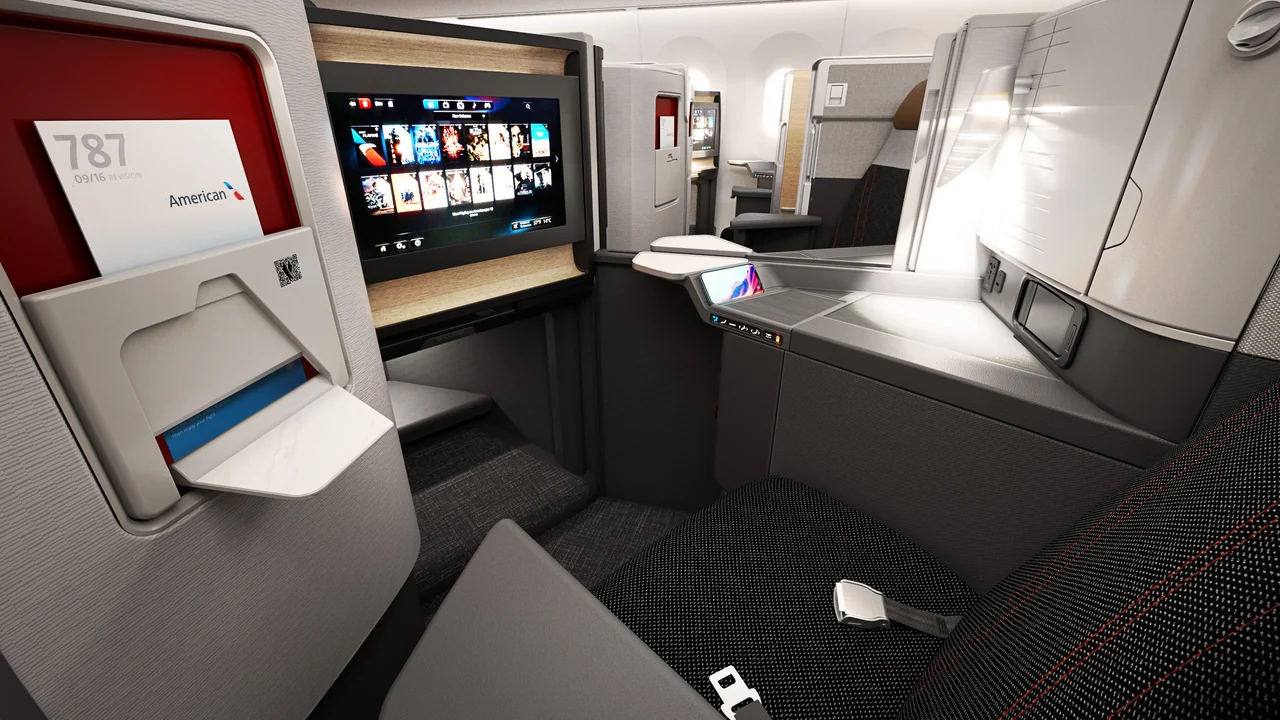
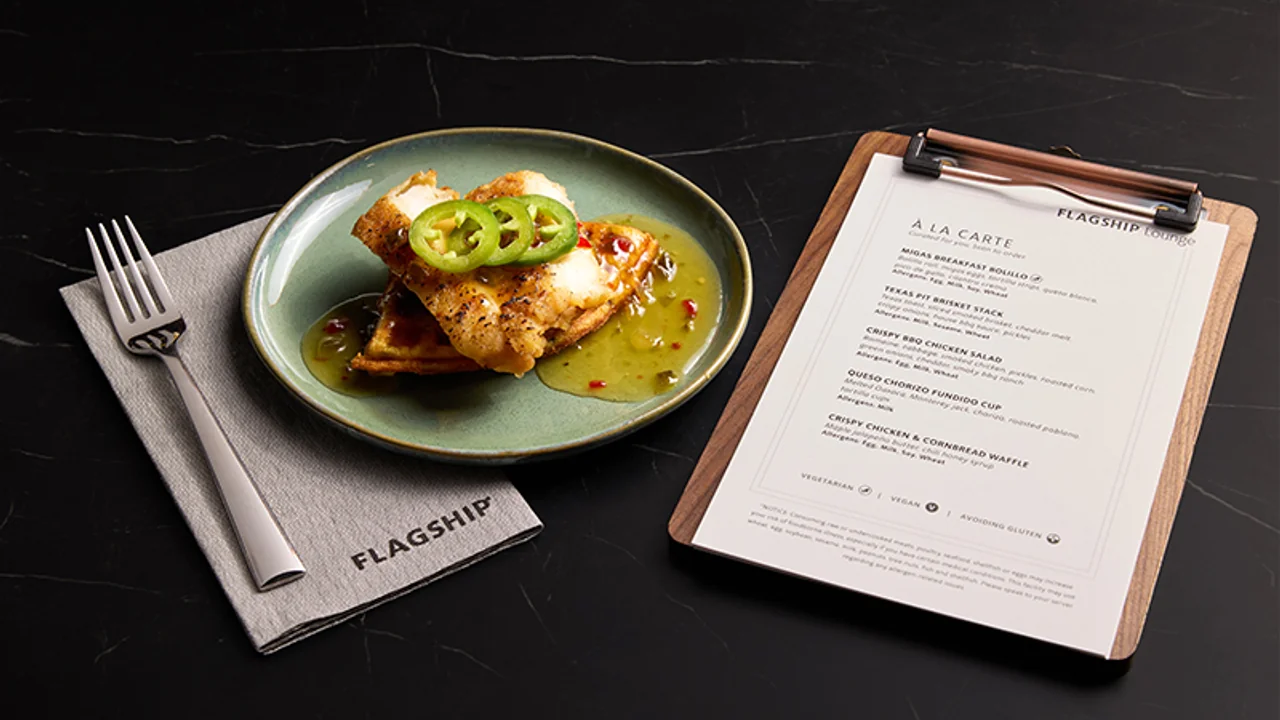
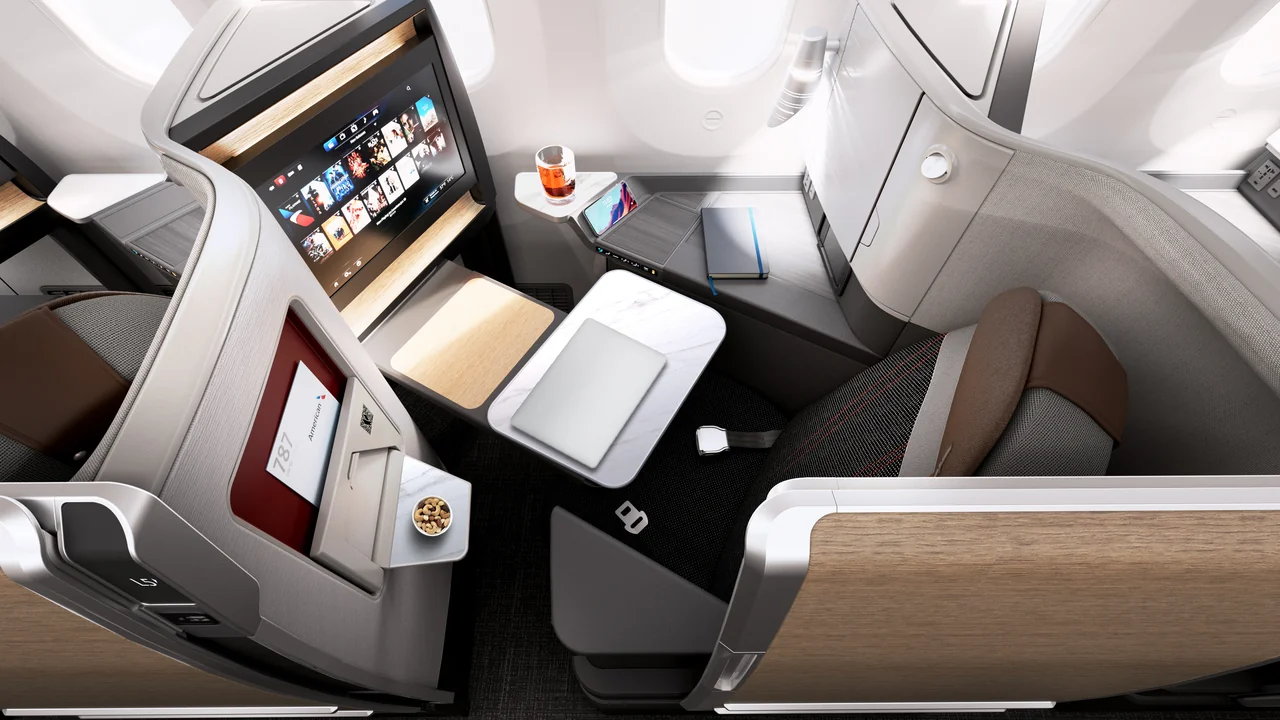
All three domestic majors offer genuinely comparable hard products on this route. American's Flagship Business gives you a 1-2-1 lie-flat suite with Casper bedding and Flagship Lounge access if your connection routes through Dallas or Charlotte. Delta One Suite, reachable via Atlanta or Minneapolis, is the closest thing to a private cabin among the three, with a closing door and Tumi amenity kits — a strong pick if you want maximum privacy on an overnight flight. United Polaris, flying out of Houston or Chicago, rounds things out with its own 1-2-1 lie-flat pod, Saks Fifth Avenue bedding, and Polaris lounge access pre-departure. None of these are a downgrade from the others; the real decision usually comes down to which connecting hub gets you a better overall itinerary and layover time.
Why Book Through BestBusinessClass.com
Pricing on Buffalo to Milan business class follows a predictable seasonal pattern. January, February, and March are the cheapest months to fly because post-holiday demand drops and Milan's weather is unremarkable enough that leisure travel thins out — this is when the $2,650–$3,200 fares tend to show up. October and November are the second sweet spot, after the summer crowds clear out but before the winter holiday rush begins. Peak summer and the December holidays push fares toward the $5,000–$6,600 range, so if your travel dates are flexible, shifting even a week or two outside those windows can mean real savings. Booking 3-5 months ahead gives our Personal Travel Managers the most room to work the consolidator inventory and find seat availability on the specific hub routing you want.
Travel Tips
Because this is a 9-hour eastbound overnight flight after a domestic connection, total travel time from Buffalo often runs 12-14 hours door to door, so cabin choice matters for actually arriving rested. A closing-door suite like Delta One is worth prioritizing if you have early meetings in Milan the next morning, since uninterrupted sleep on the overnight leg is the difference between landing sharp and landing jet-lagged. Try to book a connection with at least 90 minutes buffer at the domestic hub — tight connections into an international gate add unnecessary stress before a long flight.
Airline Comparison
| Airline | Product | Seat Configuration | Alliance | Key Features | Review |
|---|---|---|---|---|---|
| American Airlines | Flagship Business | Lie-flat suite, 1-2-1 | OneWorld | Flagship Lounge, Casper bedding | Read Review |
| Delta Air Lines | Delta One Suite | Suite with closing door, 1-2-1 | SkyTeam | Delta One Suite privacy, Tumi amenity kit | Read Review |
| United Airlines | United Polaris | Lie-flat pod, 1-2-1 | Star Alliance | Polaris lounge access, Saks Fifth Avenue bedding | Read Review |
American Airlines
Flagship Business
Lie-flat suite, 1-2-1
Flagship Lounge, Casper bedding
Read Full Review →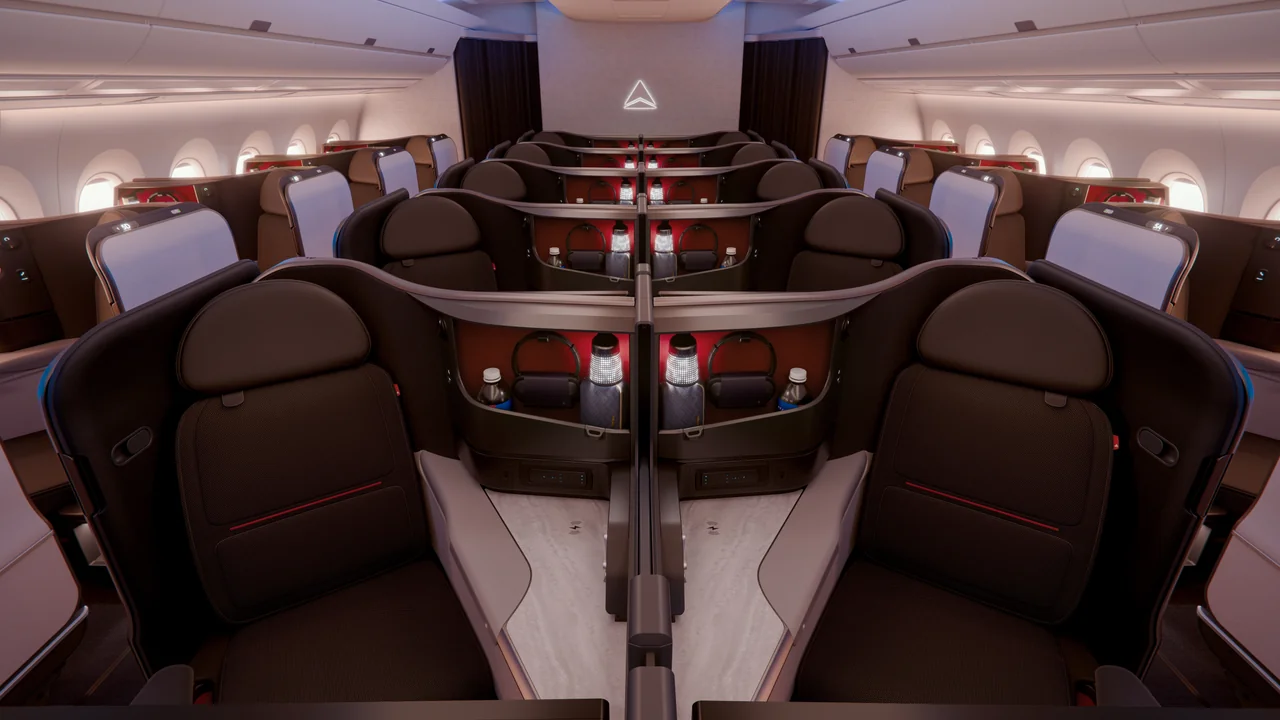
Delta Air Lines
Delta One Suite
Suite with closing door, 1-2-1
Delta One Suite privacy, Tumi amenity kit
Read Full Review →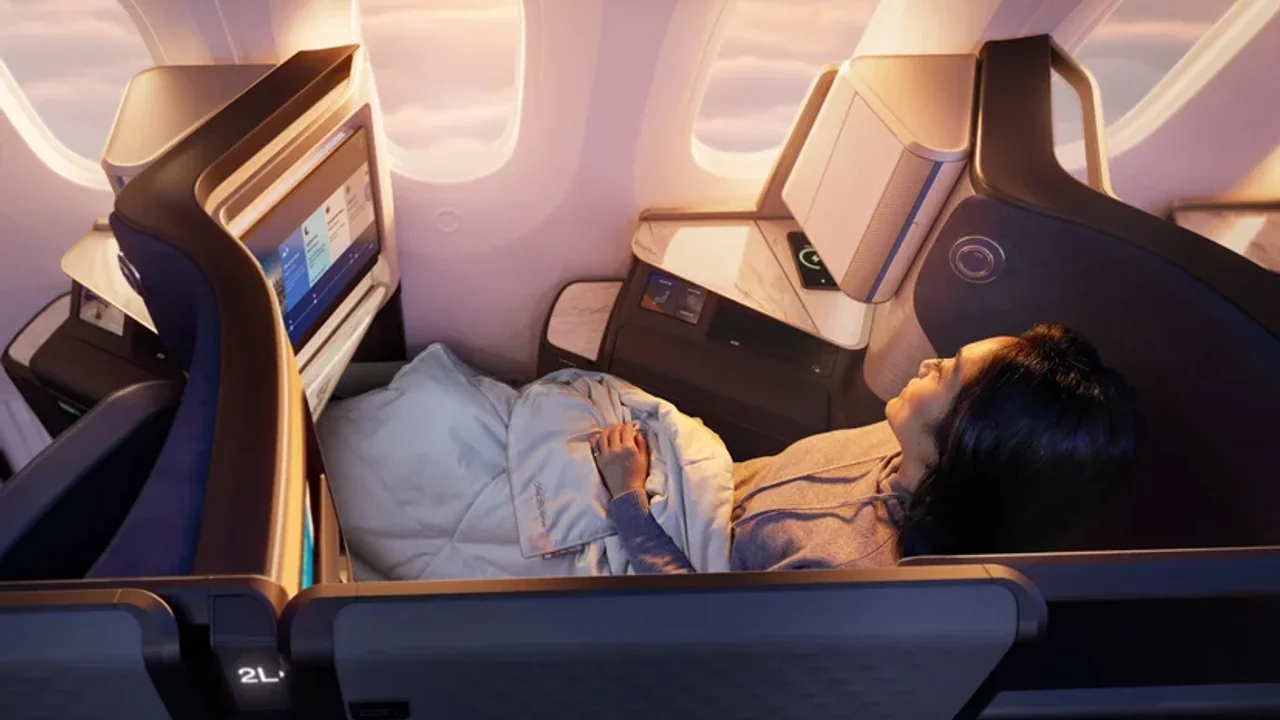
United Airlines
United Polaris
Lie-flat pod, 1-2-1
Polaris lounge access, Saks Fifth Avenue bedding
Read Full Review →Best Time to Book
When Should You Book Buffalo to Milan Business Class?
Business class fares from Buffalo to Milan range from $2,650 to $6,600 round-trip, depending on season and advance booking. The best value is during January–March, November. Peak fares occur June–August, December. Booking 3–6 months ahead and choosing midweek departures typically yields 20–35% savings.
JanBest Value
FebBest Value
MarBest Value
AprAverage
MayAverage
JunPeak Pricing
JulPeak Pricing
AugPeak Pricing
SepAverage
OctAverage
NovGood Value
DecPeak Pricing
💚 Best Value — $2,650–$3,638
💛 Good Value — $3,440–$4,625
🟠 Average — $4,230–$5,415
🔴 Peak Pricing — $5,020–$6,600
Top Rated
By Travelers
Up to 40%
Savings
Licensed
Accredited
24/7
Live Support
Operated by LUX Services LLC|FL Seller of Travel #ST46311
The Business Class Standard
Lie-Flat Guarantee
We only sell true Business Class. 180° fully flat beds on all long-haul routes, ensuring you arrive rested.
Premium Lounges
Access the world's finest lounges. Enjoy pre-flight dining, showers, and quiet workspaces before you board.
Priority Service
Skip the queues. Your ticket includes fast-track security, priority boarding, and premium baggage handling.
The Business Class Standard
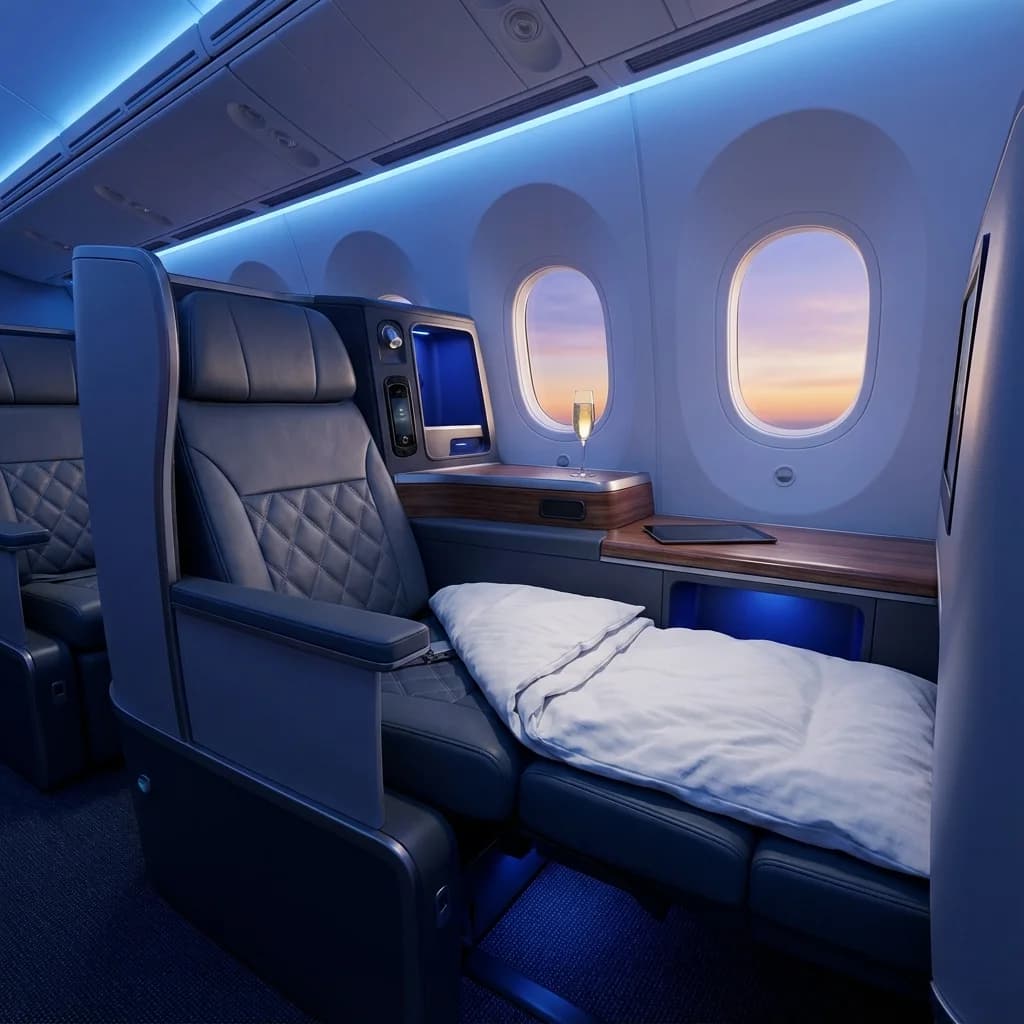
Lie-Flat Guarantee
We only sell true Business Class. 180° fully flat beds on all long-haul routes, ensuring you arrive rested.
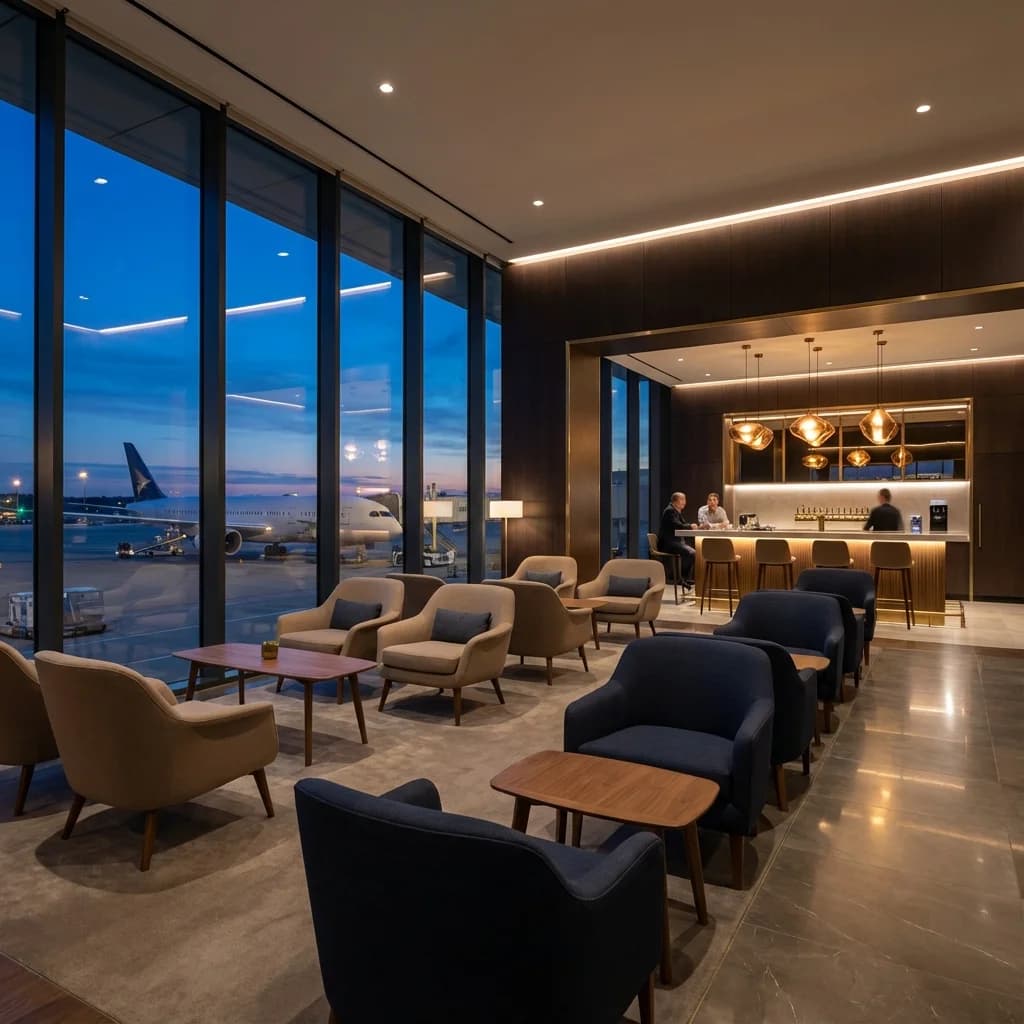
Premium Lounges
Access the world's finest lounges. Enjoy pre-flight dining, showers, and quiet workspaces before you board.
Priority Service
Skip the queues. Your ticket includes fast-track security, priority boarding, and premium baggage handling.
FAQs: Buffalo to Milan Business Class
Travel Guides
Insights for Milan Travelers



What Our Travelers Say
Client Feedback
Verified insights from travelers booking discounted international business class flights.
Ready to book Buffalo to Milan?
Our travel experts have access to unpublished fares. Save up to 40%.