Business class flights from Minneapolis (MSP) to Riga (RIX) start from $2,400 round-trip — up to 40% below published airline prices. The ~10 hours journey covers 4,526 miles, with 4 airlines offering lie-flat seats on this route. Best time to book: 3–6 months in advance for best fares.

MSP → RIX
Minneapolis to Riga Business Class
From$2,400
Quick Verdict
Updated October 2026Minneapolis to Riga business class fares start at $2,400 round-trip, with airlines including Delta Air Lines, United Airlines, American Airlines, SAS Scandinavian. The ~10 hours flight covers 4,526 miles. Peak season: June–August, December. Best value: January–March, November. Book through BestBusinessClass.com to save up to 40%.
From$2,400
Top AirlinesDelta Air Lines · United Airlines · American Airlines · SAS Scandinavian
Flight Time~10 hours
Best MonthsJanuary–March
Route Overview
Starting From
$2,400 round-trip
Flight Duration
~10 hours
Distance
4,526 miles
Best Value
Jan, Feb, Mar
Savings
Up to 60% off retail
Route Intelligence
Business Class from Minneapolis to Riga
Business class fares from Minneapolis to Riga run $2,400–$6,050 round-trip through BestBusinessClass.com, a spread that reflects seasonality, cabin type, and how far ahead you book against wholesale consolidator inventory rather than published retail fares. Riga sits about 4,526 miles and roughly 10 hours of flying time from MSP on the outbound routing, though most itineraries connect through a major European or East Coast hub, pushing total travel time closer to 13-15 hours door to door. That's a long day, but it's also why picking the right cabin matters more on this route than on a quick domestic hop.
Airlines & Cabin Experience
Latvia's capital draws a specific kind of traveler: architecture enthusiasts chasing the largest collection of Art Nouveau buildings in Europe, Baltic cruise passengers extending their stay, and business travelers connecting to Nordic and Baltic markets via Riga's growing role as a regional hub. The Old Town's cobblestone core, the Central Market's Zeppelin hangars, and easy rail access to Tallinn and Vilnius make Riga a smart base for a multi-country Baltic itinerary rather than a one-stop destination.

Pricing & Best Time to Fly
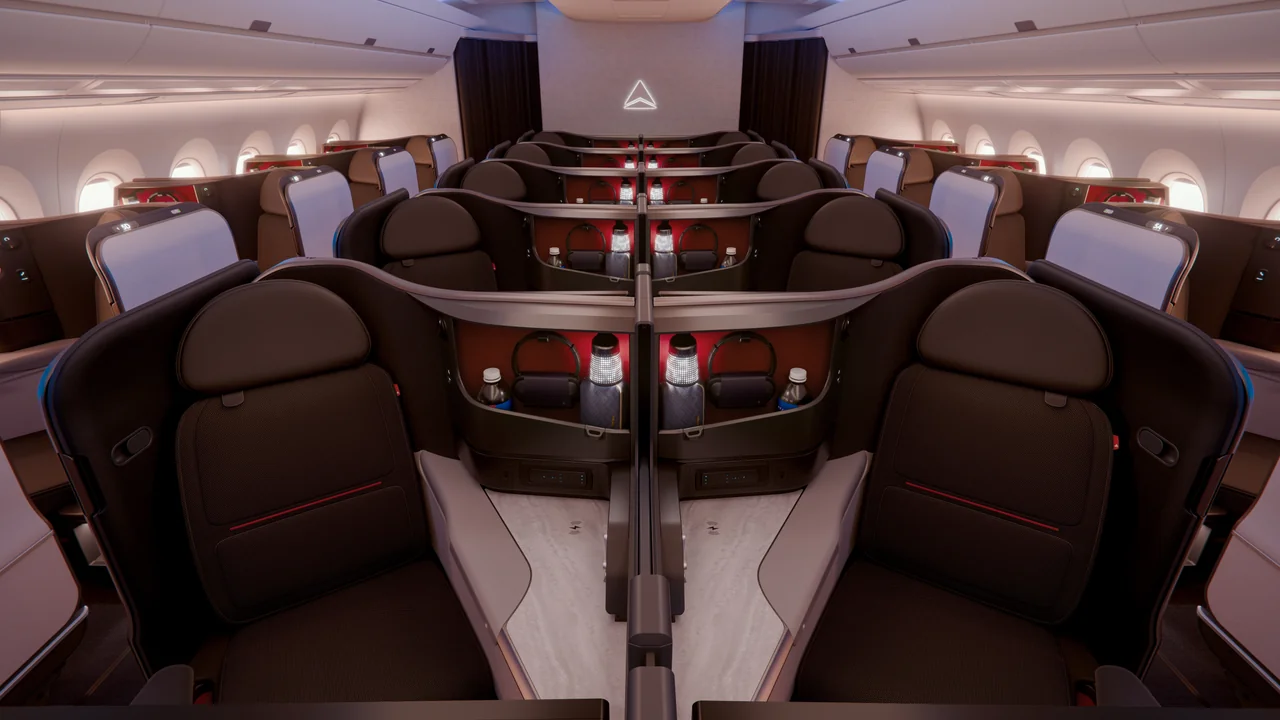
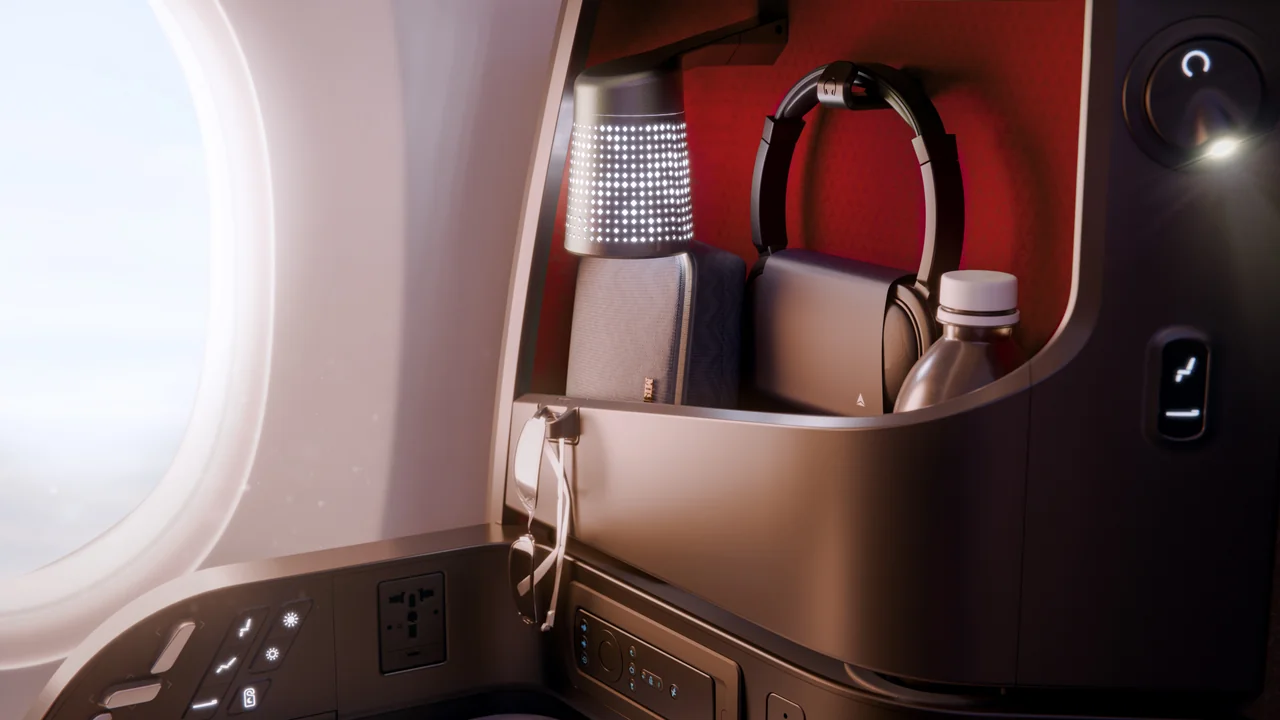
Four carriers offer genuinely different Minneapolis to Riga business class products. Delta's Delta One Suite gives you a closing door and 1-2-1 configuration — the closest thing to a private cabin available on this route, paired with Tumi amenity kits. United's Polaris cabin is a strong lie-flat pod in the same 1-2-1 layout, with Polaris lounge access at connecting hubs and Saks Fifth Avenue bedding that's noticeably better than what most US carriers offer. American's Flagship Business brings a lie-flat suite with Casper mattress-brand bedding and access to Flagship Lounges, which are worth planning a layover around if your connection runs through DFW, JFK, or ORD. SAS Business, meanwhile, is the European alternative — lie-flat seats with a distinctly Nordic sensibility in both design and the onboard dining program, which leans into Scandinavian sustainability themes and lighter, fish-forward menus. If you're flying through Scandinavia anyway, SAS is worth pricing against the US carriers.
Why Book Through BestBusinessClass.com
Timing drives savings on this route more than almost any other lever. January, February, March, October, and November are the sweet spot — shoulder and winter months when Baltic tourism demand drops and consolidator fares loosen up, often bringing round-trip business class down 30-40% versus summer peak pricing. Booking 6-8 weeks out during these windows tends to catch the best combination of fare and seat availability, especially for Delta One Suite and American Flagship Business, which sell out faster than the others on this route. Summer works fine, but you'll pay closer to the top of that $2,400-$6,050 range.
Travel Tips
Because this is an eastbound overnight crossing, arrival timing matters for jet lag. Most routings land you in Riga (or a connecting European city) in the morning, so a lie-flat seat that lets you actually sleep for 5-6 hours in the air makes a real difference for your first day on the ground. Aim for a seat assignment toward the front of the business cabin, away from galley noise, and request an early dinner service so you can settle into sleep mode sooner rather than later. Given the connection required on nearly every itinerary, building in at least 90 minutes at your hub — more if it's a US hub with immigration — avoids the stress of a tight transfer after a long flight.
Airline Comparison
| Airline | Product | Seat Configuration | Alliance | Key Features | Review |
|---|---|---|---|---|---|
| Delta Air Lines | Delta One Suite | Suite with closing door, 1-2-1 | SkyTeam | Delta One Suite privacy, Tumi amenity kit | Read Review |
| United Airlines | United Polaris | Lie-flat pod, 1-2-1 | Star Alliance | Polaris lounge access, Saks Fifth Avenue bedding | Read Review |
| American Airlines | Flagship Business | Lie-flat suite, 1-2-1 | OneWorld | Flagship Lounge, Casper bedding | Read Review |
| SAS Scandinavian | SAS Business | Lie-flat, 1-2-1 | — | Nordic design, sustainable dining | — |
Delta Air Lines
Delta One Suite
Suite with closing door, 1-2-1
Delta One Suite privacy, Tumi amenity kit
Read Full Review →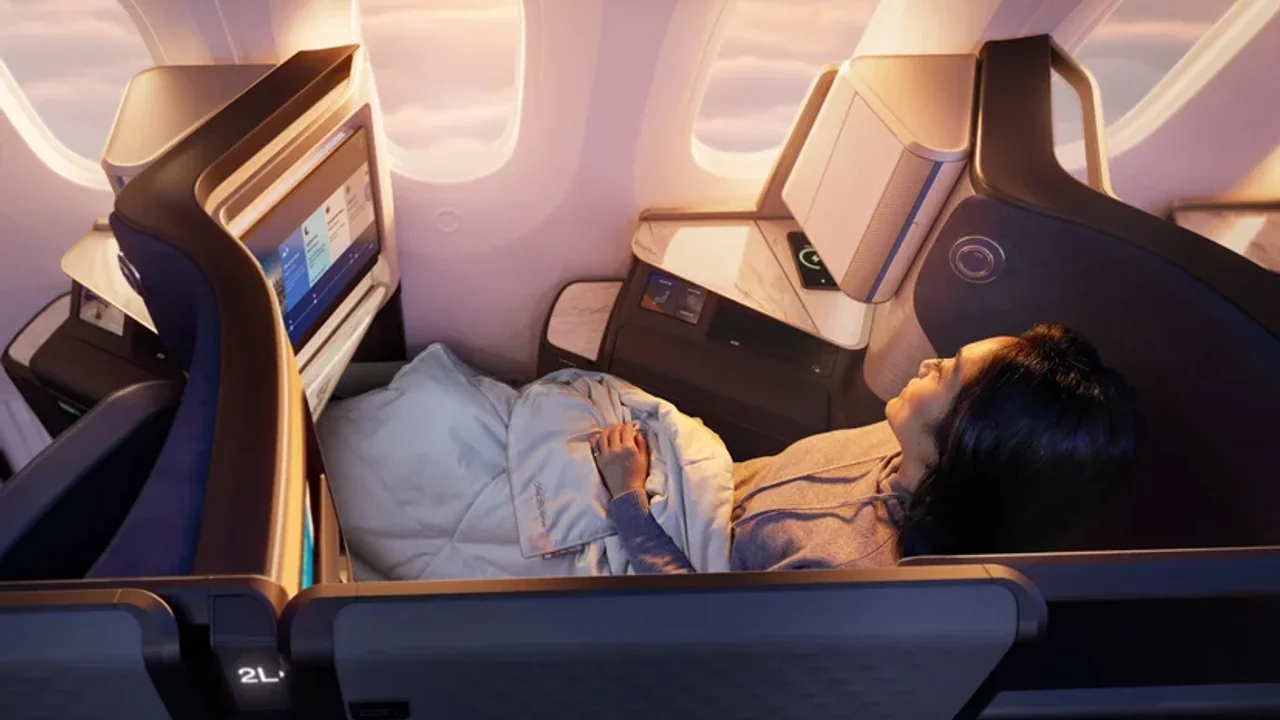
United Airlines
United Polaris
Lie-flat pod, 1-2-1
Polaris lounge access, Saks Fifth Avenue bedding
Read Full Review →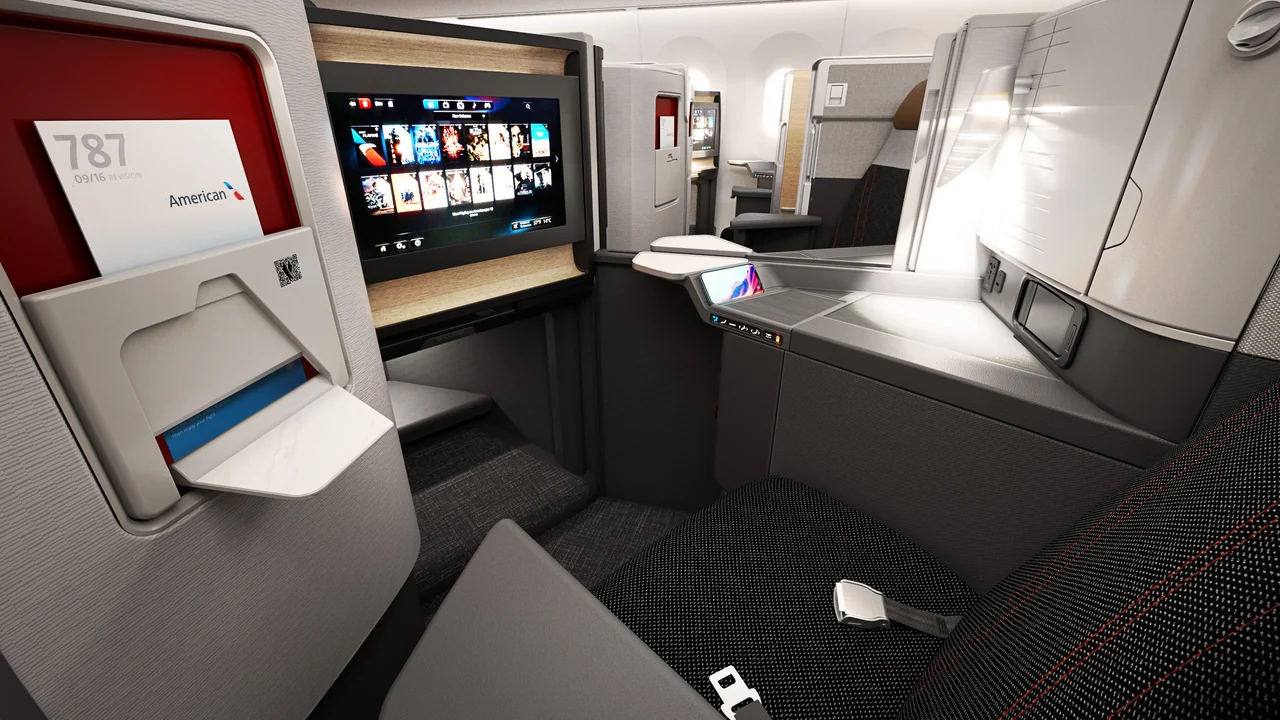
American Airlines
Flagship Business
Lie-flat suite, 1-2-1
Flagship Lounge, Casper bedding
Read Full Review →SAS Scandinavian
SAS Business
Lie-flat, 1-2-1
Nordic design, sustainable dining
Best Time to Book
When Should You Book Minneapolis to Riga Business Class?
Business class fares from Minneapolis to Riga range from $2,400 to $6,050 round-trip, depending on season and advance booking. The best value is during January–March, November. Peak fares occur June–August, December. Booking 3–6 months ahead and choosing midweek departures typically yields 20–35% savings.
JanBest Value
FebBest Value
MarBest Value
AprAverage
MayAverage
JunPeak Pricing
JulPeak Pricing
AugPeak Pricing
SepAverage
OctAverage
NovGood Value
DecPeak Pricing
💚 Best Value — $2,400–$3,313
💛 Good Value — $3,130–$4,225
🟠 Average — $3,860–$4,955
🔴 Peak Pricing — $4,590–$6,050
Top Rated
By Travelers
Up to 40%
Savings
Licensed
Accredited
24/7
Live Support
Operated by LUX Services LLC|FL Seller of Travel #ST46311
The Business Class Standard
Lie-Flat Guarantee
We only sell true Business Class. 180° fully flat beds on all long-haul routes, ensuring you arrive rested.
Premium Lounges
Access the world's finest lounges. Enjoy pre-flight dining, showers, and quiet workspaces before you board.
Priority Service
Skip the queues. Your ticket includes fast-track security, priority boarding, and premium baggage handling.
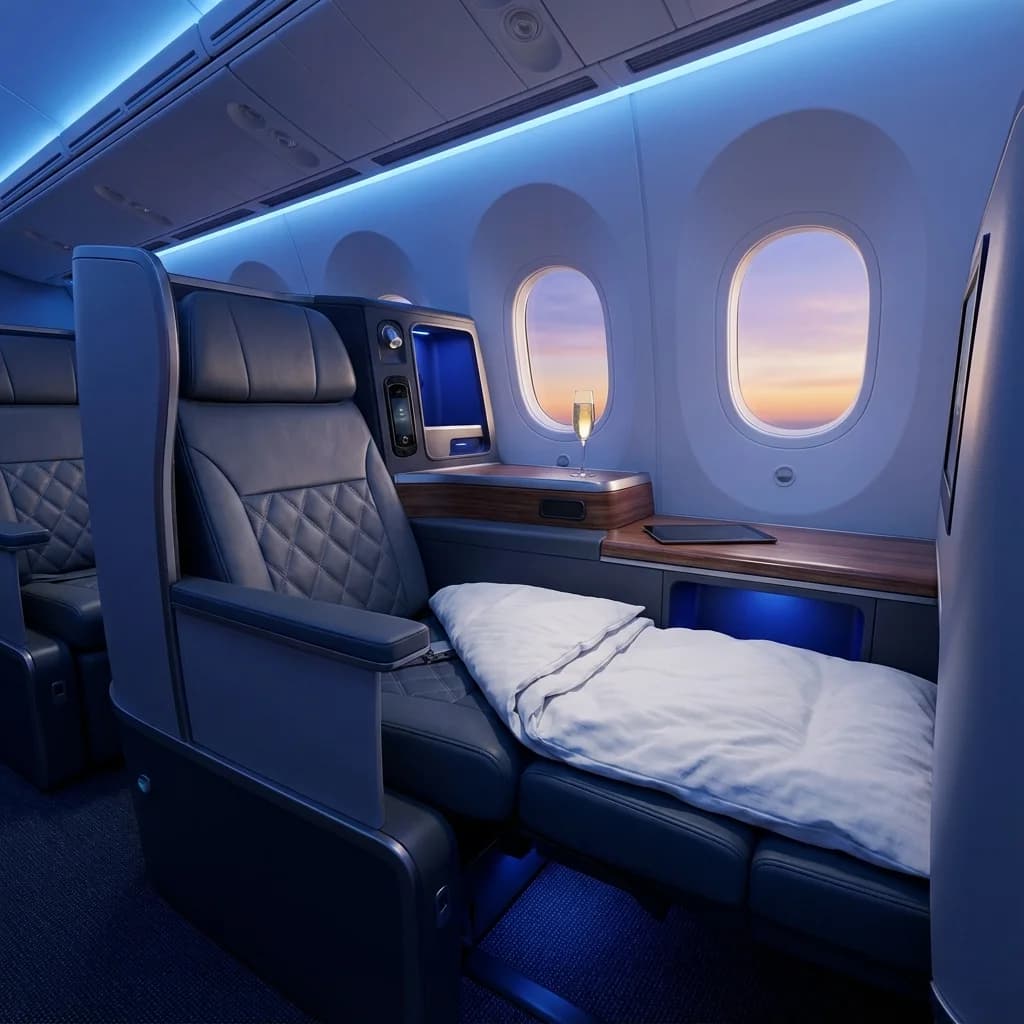
The Business Class Standard
Lie-Flat Guarantee
We only sell true Business Class. 180° fully flat beds on all long-haul routes, ensuring you arrive rested.
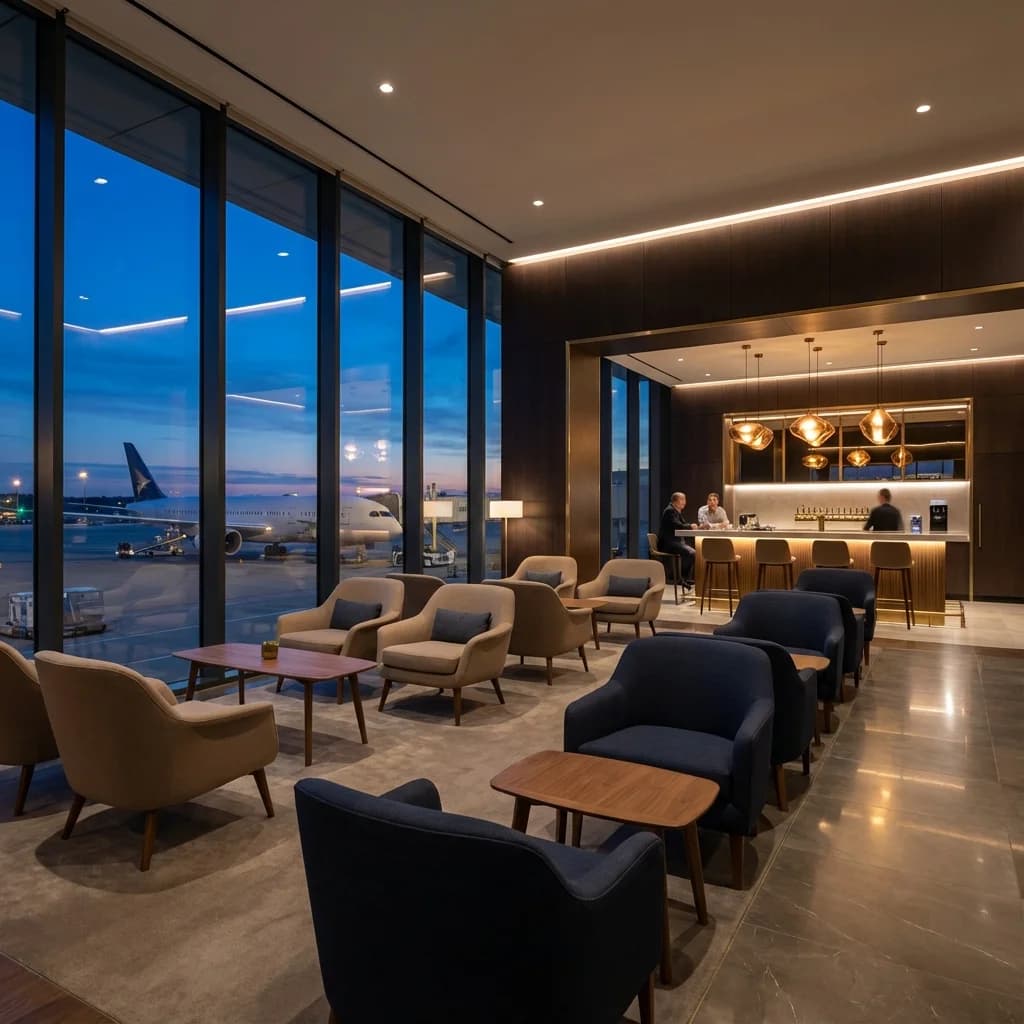
Premium Lounges
Access the world's finest lounges. Enjoy pre-flight dining, showers, and quiet workspaces before you board.
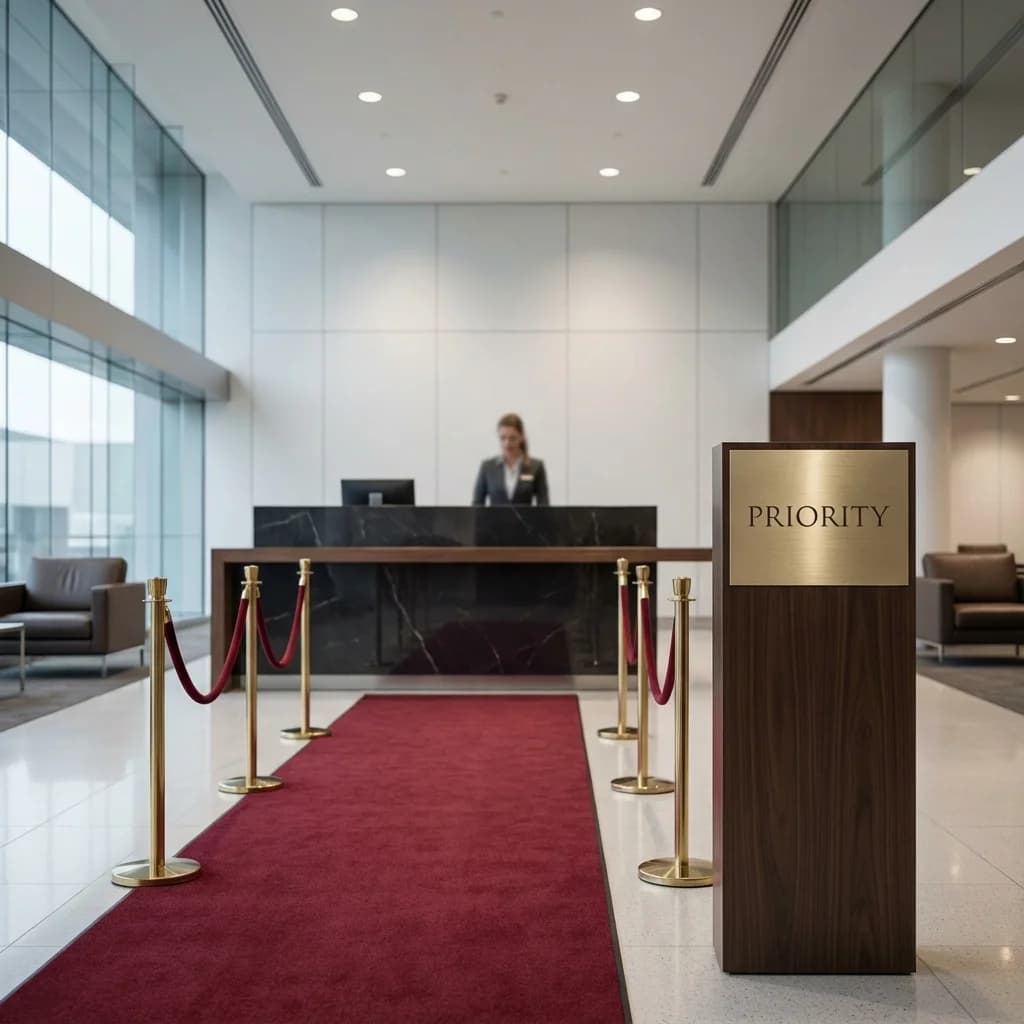
Priority Service
Skip the queues. Your ticket includes fast-track security, priority boarding, and premium baggage handling.
FAQs: Minneapolis to Riga Business Class
Travel Guides
Insights for Riga Travelers
What Our Travelers Say
Client Feedback
Verified insights from travelers booking discounted international business class flights.
Ready to book Minneapolis to Riga?
Our travel experts have access to unpublished fares. Save up to 40%.