Business class flights from Pensacola (PNS) to Seoul (ICN) start from $2,466 round-trip — up to 40% below published airline prices. The ~13.2 hours journey covers 7,265 miles, with 3 airlines offering lie-flat seats on this route. Best time to book: 3–6 months in advance for best fares.

PNS → ICN
Pensacola to Seoul Business Class
From$2,466
Quick Verdict
Updated September 2026Pensacola to Seoul business class fares start at $2,466 round-trip, with airlines including American Airlines, Delta Air Lines, United Airlines. The ~13.2 hours flight covers 7,265 miles. Peak season: March–May, October–November. Best value: June–September. Book through BestBusinessClass.com to save up to 40%.
From$2,466
Top AirlinesAmerican Airlines · Delta Air Lines · United Airlines
Flight Time~13.2 hours
Best MonthsJune–September
Route Overview
Starting From
$2,466 round-trip
Flight Duration
~13.2 hours
Distance
7,265 miles
Best Value
Jan, Feb, Mar
Savings
Up to 60% off retail
Route Intelligence
Business Class from Pensacola to Seoul
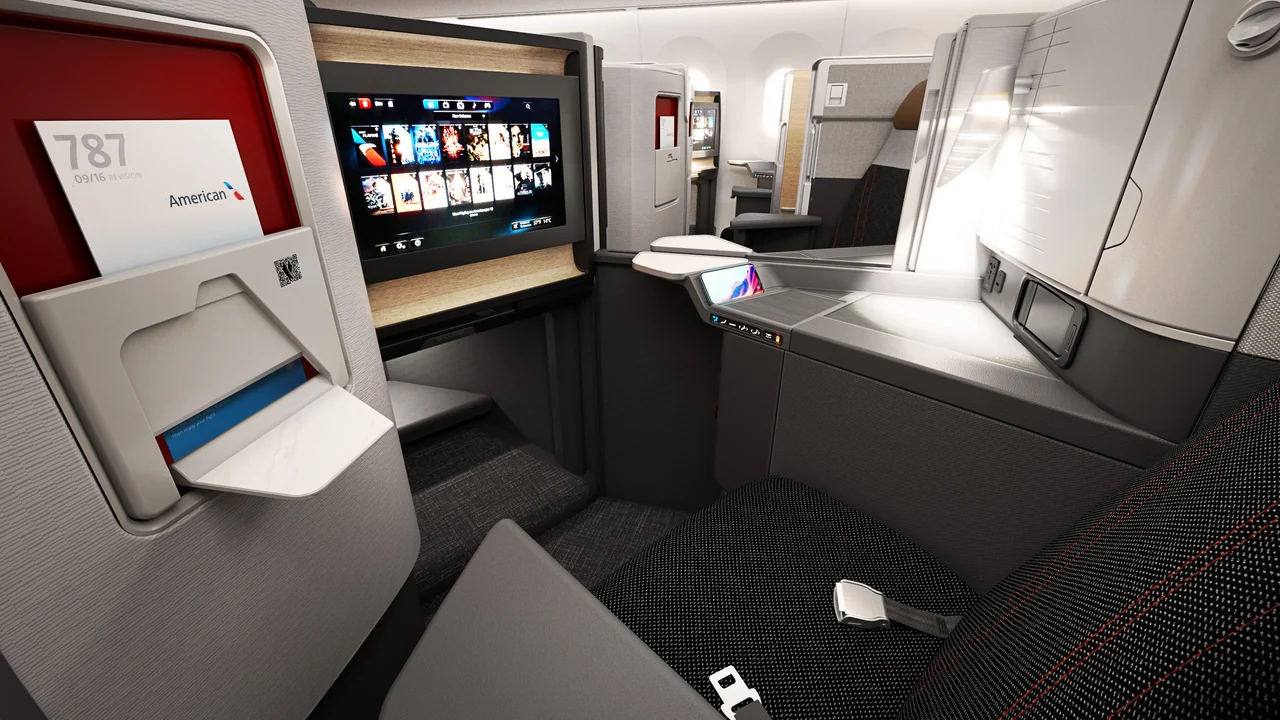
Pensacola to Seoul business class is a two-flight puzzle no matter how you slice it, since PNS has no widebody service and every itinerary routes through a major hub first. That's actually good news for travelers, because it means you get to choose which airline's long-haul product carries you across the Pacific rather than being stuck with whatever regional carrier happens to serve your home airport. The real journey begins at Dallas, Charlotte, Atlanta, Minneapolis, Houston, or Chicago, where you connect onto a 13-plus hour transpacific leg in a genuine lie-flat seat.
Airlines & Cabin Experience
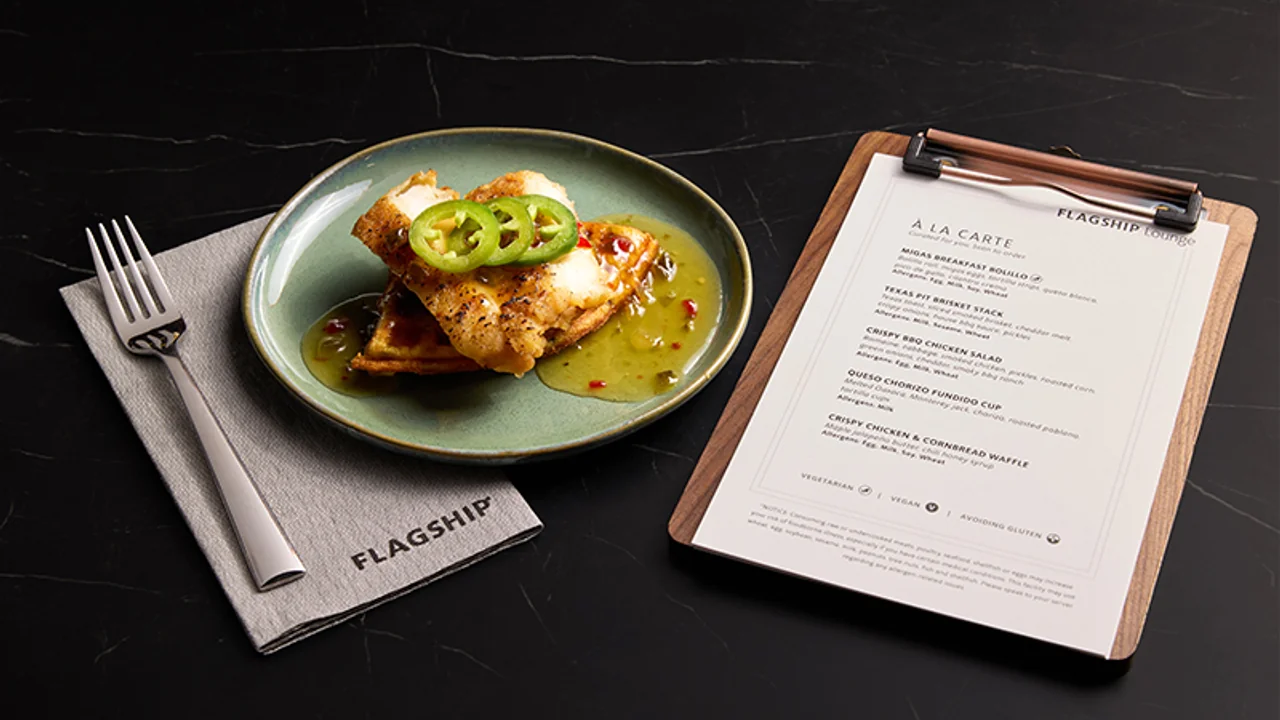
Seoul rewards the long flight. Incheon itself is one of the smoothest airports in the world for connections and immigration, so a redeye arrival doesn't feel punishing the way it can in some Asian gateways. The city splits neatly between old and new: the palace district around Gyeongbokgung and the alleys of Bukchon give you the historical layer, while Gangnam and Hongdae deliver the neon, nightlife, and shopping that draw a younger crowd. Korean food alone justifies the trip — this isn't a place where you eat one great meal and call it done, it's a place where every meal from street tteokbokki to a quiet galbi dinner is worth remembering. Seoul also works as a launch pad for Busan, the DMZ, or onward trips into Japan and Southeast Asia.
Pricing & Best Time to Fly
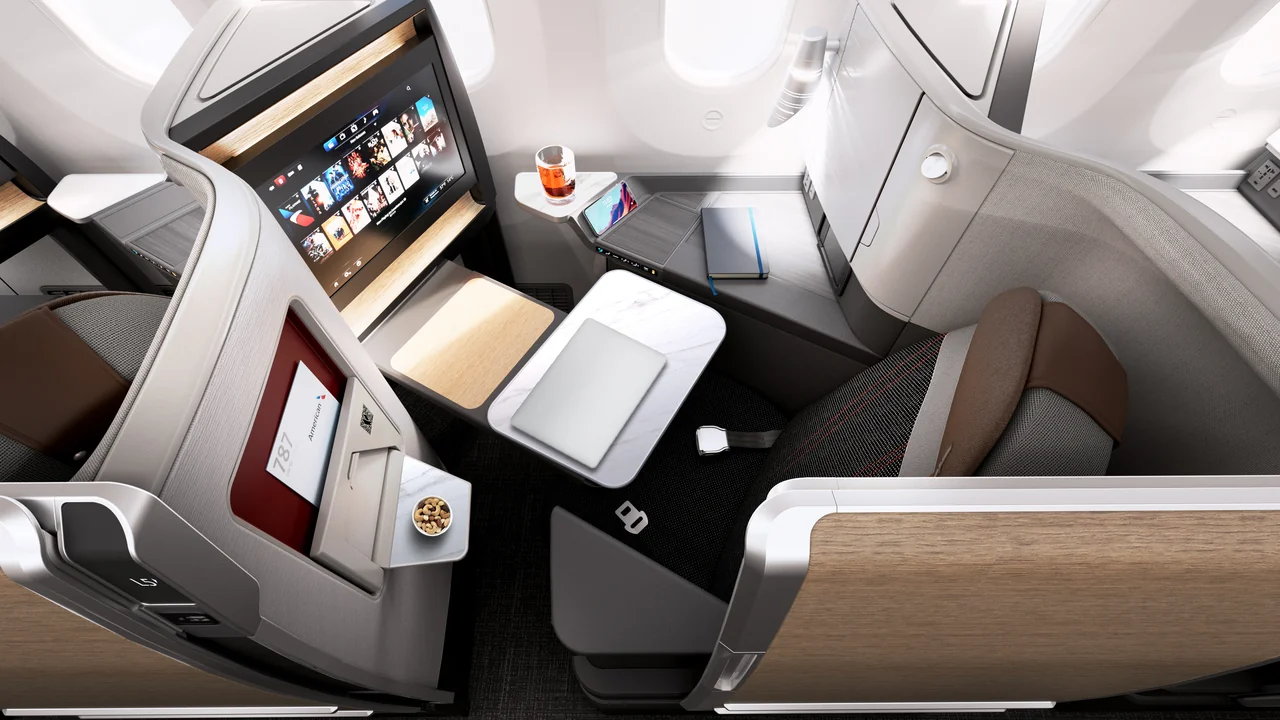
On the airline side, all three major US carriers put their best hard product on this route. American's Flagship Business gives you a 1-2-1 lie-flat suite with Casper bedding and Flagship Lounge access at connecting hubs — solid, comfortable, and usually the most flexible for routing through Dallas or Charlotte. Delta One Suite is the one with an actual closing door, which matters more than people expect on a 13-hour sector when you want real privacy to sleep or work; the Tumi amenity kits are a nice touch and Atlanta or Minneapolis connections tend to be efficient. United Polaris rounds out the field with a proven lie-flat pod, Polaris lounge access, and Saks Fifth Avenue bedding, typically routing through Houston or Chicago. All three are legitimate long-haul products — the difference comes down to seat privacy preference, lounge quality at your specific connecting airport, and which loyalty program you're already invested in.
Why Book Through BestBusinessClass.com
Pricing on Pensacola to Seoul business class swings widely depending on how far out you book and which season you're flying. Our private consolidator fares run $2,466 to $4,966 round-trip, which is routinely 30-60% below what you'd see paying retail directly through the airlines. January through March and October through December are your best windows — winter avoids the summer monsoon humidity and peak tourist crowds, while fall gives you crisp weather and foliage without the July-August heat. Fares tend to be most favorable in these shoulder-to-winter months, and booking 2-3 months ahead typically locks in better inventory than waiting for last-minute deals, which rarely materialize in premium cabins on ultra-long-haul routes.
Travel Tips
Practically speaking, treat this as a two-leg endurance trip rather than one flight. Build in a reasonable connection window at your hub of choice — 90 minutes minimum, more if you're unfamiliar with the airport — and hydrate aggressively on both legs since cabin dryness compounds over 13-plus hours westbound. Because you're crossing the International Date Line, you'll likely depart and arrive on different calendar days than you expect, so double-check your itinerary dates rather than assuming. A private consolidator fare doesn't change the flight experience, but it does mean you're getting the same lie-flat seat and lounge access for meaningfully less than the published fare, which on a route this long is where the real savings show up.
Airline Comparison
| Airline | Product | Seat Configuration | Alliance | Key Features | Review |
|---|---|---|---|---|---|
| American Airlines | Flagship Business | Lie-flat suite, 1-2-1 | OneWorld | Flagship Lounge, Casper bedding | Read Review |
| Delta Air Lines | Delta One Suite | Suite with closing door, 1-2-1 | SkyTeam | Delta One Suite privacy, Tumi amenity kit | Read Review |
| United Airlines | United Polaris | Lie-flat pod, 1-2-1 | Star Alliance | Polaris lounge access, Saks Fifth Avenue bedding | Read Review |
American Airlines
Flagship Business
Lie-flat suite, 1-2-1
Flagship Lounge, Casper bedding
Read Full Review →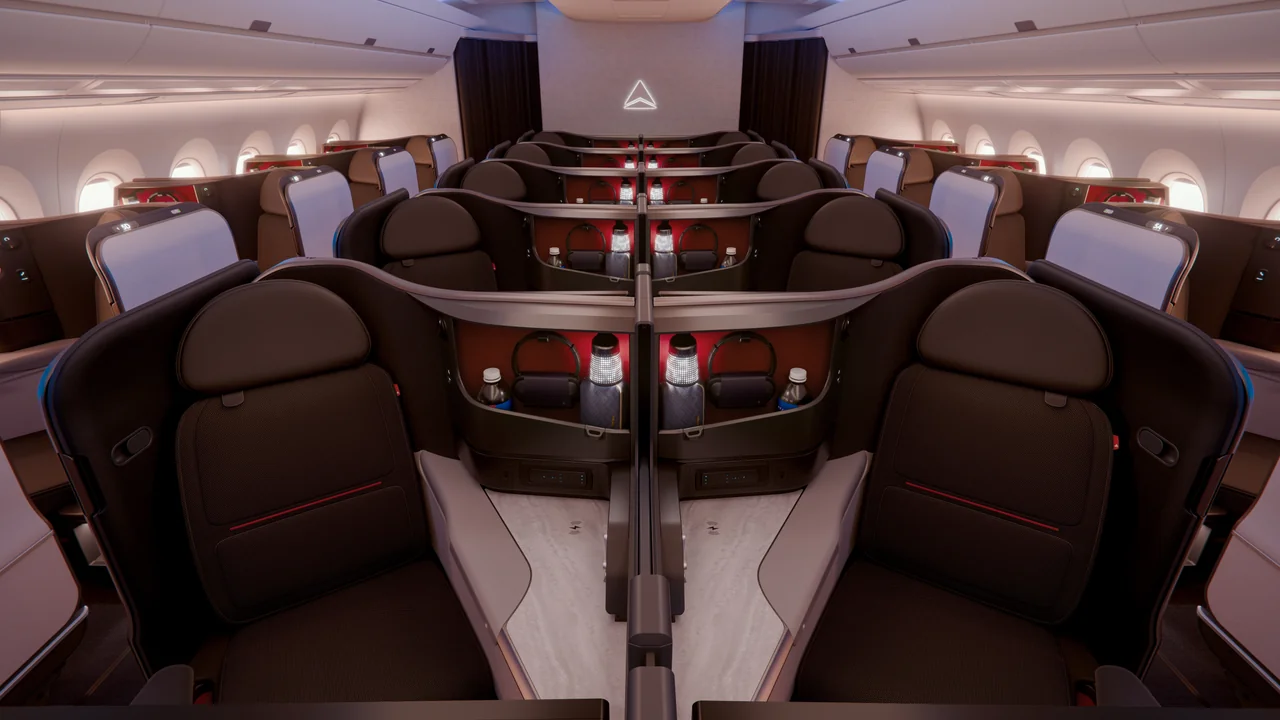
Delta Air Lines
Delta One Suite
Suite with closing door, 1-2-1
Delta One Suite privacy, Tumi amenity kit
Read Full Review →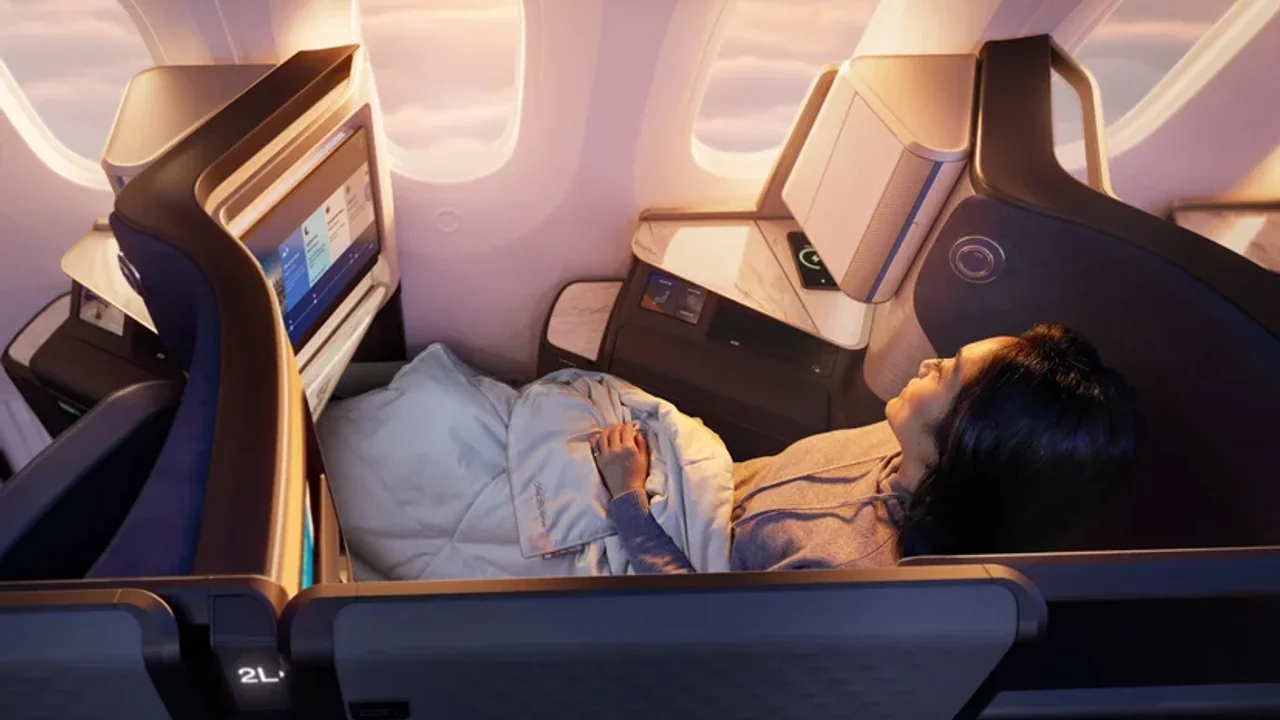
United Airlines
United Polaris
Lie-flat pod, 1-2-1
Polaris lounge access, Saks Fifth Avenue bedding
Read Full Review →Best Time to Book
When Should You Book Pensacola to Seoul Business Class?
Business class fares from Pensacola to Seoul range from $2,466 to $4,966 round-trip, depending on season and advance booking. The best value is during June–September. Peak fares occur March–May, October–November. Booking 3–6 months ahead and choosing midweek departures typically yields 20–35% savings.
JanBest Value
FebBest Value
MarBest Value
AprPeak Pricing
MayPeak Pricing
JunGood Value
JulGood Value
AugGood Value
SepGood Value
OctPeak Pricing
NovPeak Pricing
DecAverage
💚 Best Value — $2,466–$3,091
💛 Good Value — $2,966–$3,716
🟠 Average — $3,466–$4,216
🔴 Peak Pricing — $3,966–$4,966
Top Rated
By Travelers
Up to 40%
Savings
Licensed
Accredited
24/7
Live Support
Operated by LUX Services LLC|FL Seller of Travel #ST46311
The Business Class Standard
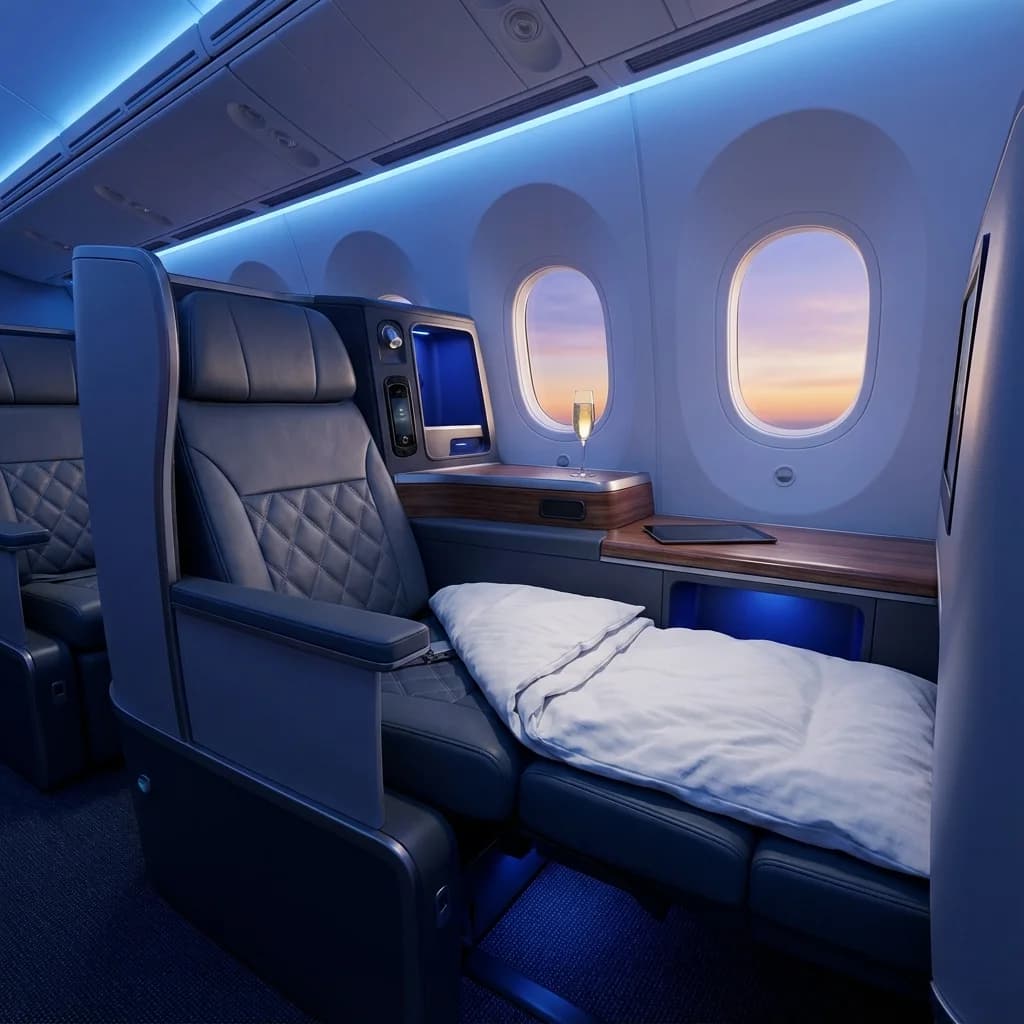
Lie-Flat Guarantee
We only sell true Business Class. 180° fully flat beds on all long-haul routes, ensuring you arrive rested.
Premium Lounges
Access the world's finest lounges. Enjoy pre-flight dining, showers, and quiet workspaces before you board.
Priority Service
Skip the queues. Your ticket includes fast-track security, priority boarding, and premium baggage handling.
The Business Class Standard
Lie-Flat Guarantee
We only sell true Business Class. 180° fully flat beds on all long-haul routes, ensuring you arrive rested.
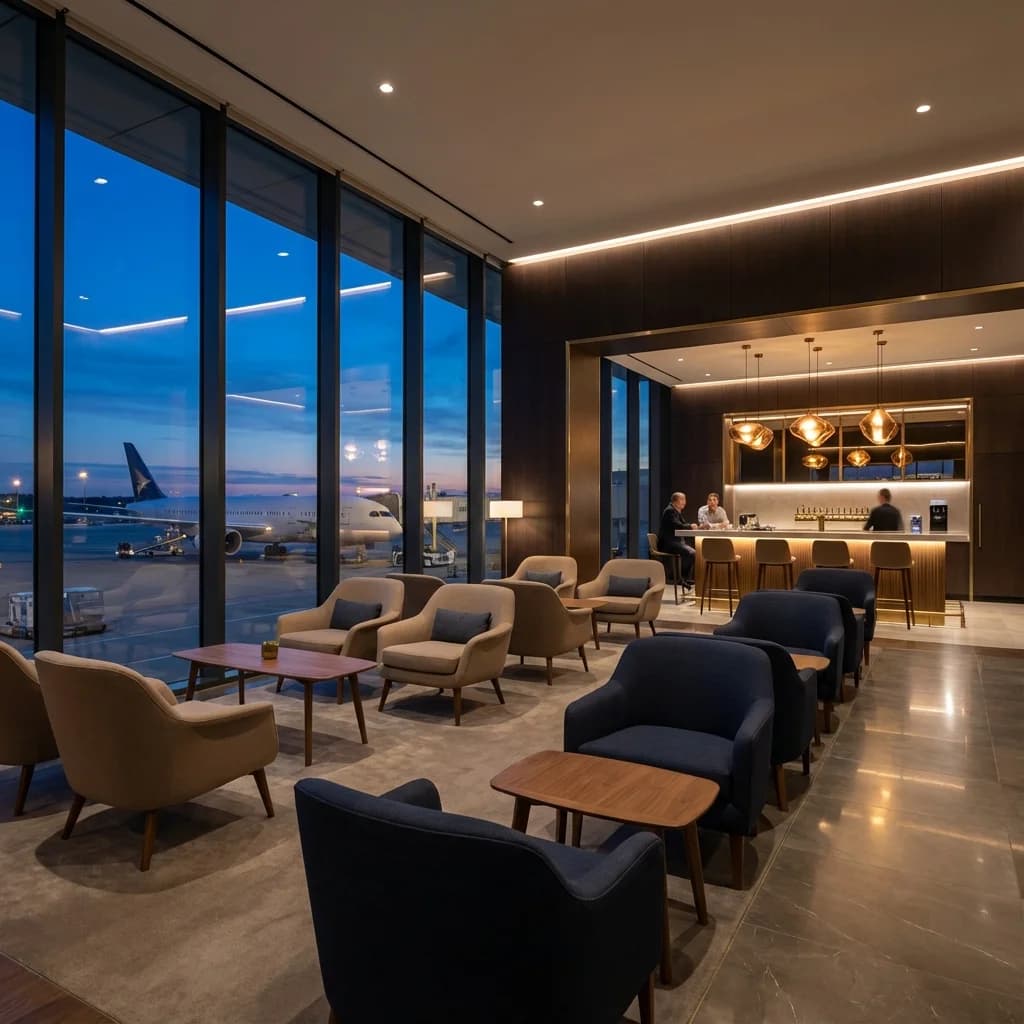
Premium Lounges
Access the world's finest lounges. Enjoy pre-flight dining, showers, and quiet workspaces before you board.
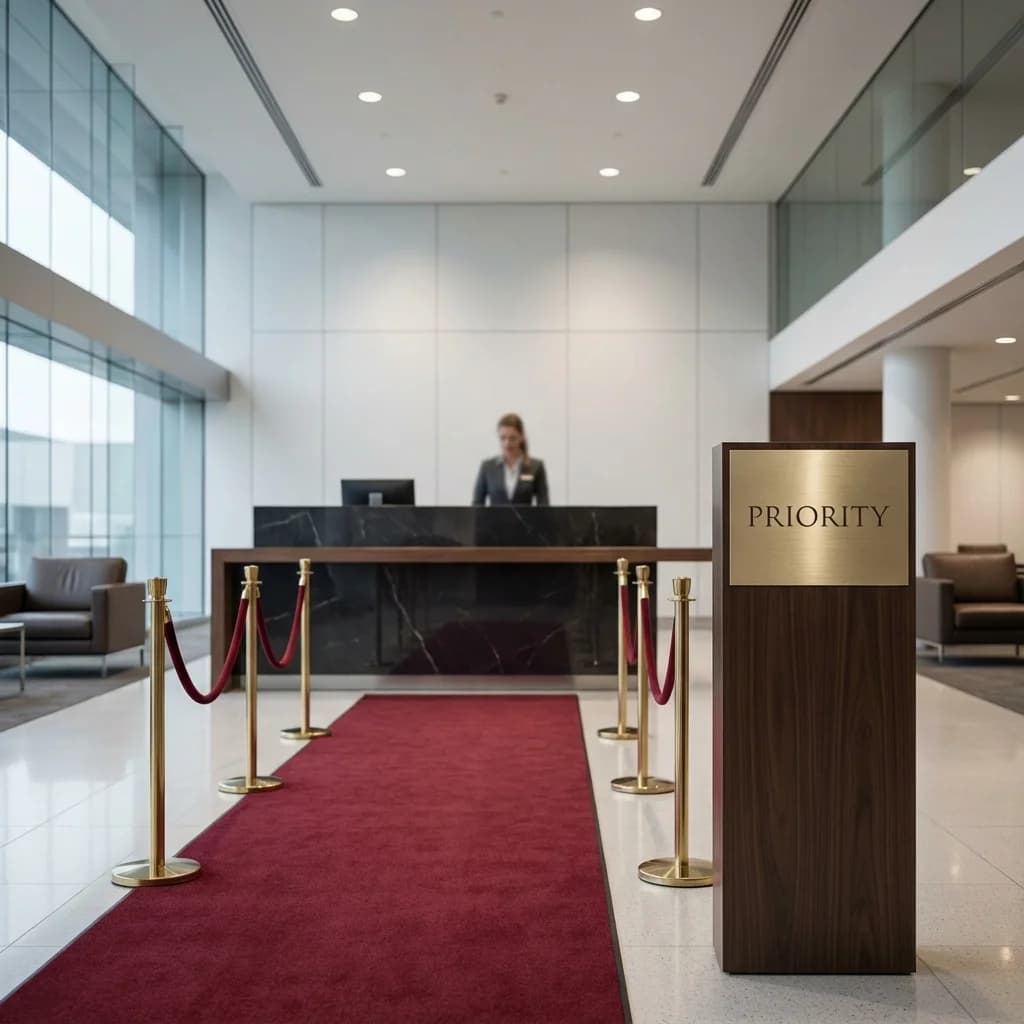
Priority Service
Skip the queues. Your ticket includes fast-track security, priority boarding, and premium baggage handling.
FAQs: Pensacola to Seoul Business Class
Travel Guides
Insights for Seoul Travelers



What Our Travelers Say
Client Feedback
Verified insights from travelers booking discounted international business class flights.
Ready to book Pensacola to Seoul?
Our travel experts have access to unpublished fares. Save up to 40%.