Business class flights from Philadelphia (PHL) to Luxembourg City (LUX) start from $2,100 round-trip — up to 40% below published airline prices. The ~9 hours journey covers , with 3 airlines offering lie-flat seats on this route. Best time to book: 3–6 months in advance for best fares.

PHL → LUX
Philadelphia to Luxembourg City Business Class
From$2,100
Route Overview
Starting From
$2,100 round-trip
Flight Duration
~9 hours
Airlines
3 carriers
Best Value
Jan, Feb, Mar
Savings
Up to 60% off retail
Route Intelligence
Business Class from Philadelphia to Luxembourg City
Luxembourg City rarely tops a first-time visitor's Europe list, but it should. This is the EU's third seat of government, home to the European Court of Justice and the European Investment Bank, and a private banking center that punches well above its population of 130,000. For business travelers heading to meetings with EU institutions, law firms, or the financial sector, Philadelphia to Luxembourg business class is often the smoothest way in, since the airport sits just minutes from the Kirchberg business district. Leisure travelers find a walkable old town wrapped around dramatic river gorges, the Bock Casemates tunnels, and a jumping-off point for day trips into the Moselle wine valley, Trier, Metz, and the Ardennes battlefields around Bastogne.
Airlines & Cabin Experience
No carrier flies nonstop from Philadelphia to Luxembourg, so the practical routing runs through each airline's main European gateway with a short connection onward. Delta typically routes through Amsterdam or Paris via its SkyTeam partners, with the transatlantic leg flown in the Delta One Suite — a proper door-closing suite in 1-2-1 configuration, Tumi amenity kits, and genuine privacy for sleeping on the westbound overnight leg home. United connects through Frankfurt or Brussels on Star Alliance metal, putting you in Polaris lie-flat pods with Saks Fifth Avenue bedding and Polaris Lounge access at Newark or Chicago before departure. American, which has the advantage of operating its own hub right at PHL, generally routes via London or Zurich with oneworld partners, and its Flagship Business product delivers Casper bedding and a genuine lie-flat suite along with Flagship Lounge access if your itinerary connects through JFK, ORD, or PHL itself.
Pricing & Best Time to Fly
Because this is a connecting itinerary rather than a single nonstop, pricing swings more than you'd expect based on which hub and partner airline gets used. Our consolidator fares on Philadelphia to Luxembourg business class run $2,100 to $5,500 round-trip, and the spread usually comes down to routing and how far out you book. January, February, March, October, and November are consistently the best months — Luxembourg's EU business calendar is quieter than peak summer conference season, and transatlantic leisure demand drops off, which frees up premium inventory on the partner carriers these itineraries depend on. We generally recommend locking in fares 8 to 12 weeks ahead for these shoulder months, since consolidator allotments on connecting business class fares can tighten quickly once a specific flight starts filling.
Why Book Through BestBusinessClass.com
The flight itself covers close to 9 hours of total travel time factoring in the connection, with the long transatlantic segment flown overnight eastbound — board in the evening from Philadelphia, land in Europe the next morning, and take a short 60- to 90-minute hop into Luxembourg. That structure rewards picking the right cabin: Delta's closing-door suite is the strongest option if uninterrupted sleep matters most to you, while United and American's lie-flat pods are nearly as comfortable and often price a bit lower. On the return, you'll usually have a same-day connection back through the hub, landing in Philadelphia in the afternoon or early evening, so plan for a jet-lagged evening rather than trying to jump into meetings immediately.
Travel Tips
One practical note: because Luxembourg's airport is small, immigration and baggage claim move fast, which is a nice contrast to bigger EU gateways. If your itinerary connects through Frankfurt, Amsterdam, or Paris, build in at least 75 minutes for the connection given security requeuing at those larger hubs — tighter connections are where these itineraries most often go sideways.
Airline Comparison
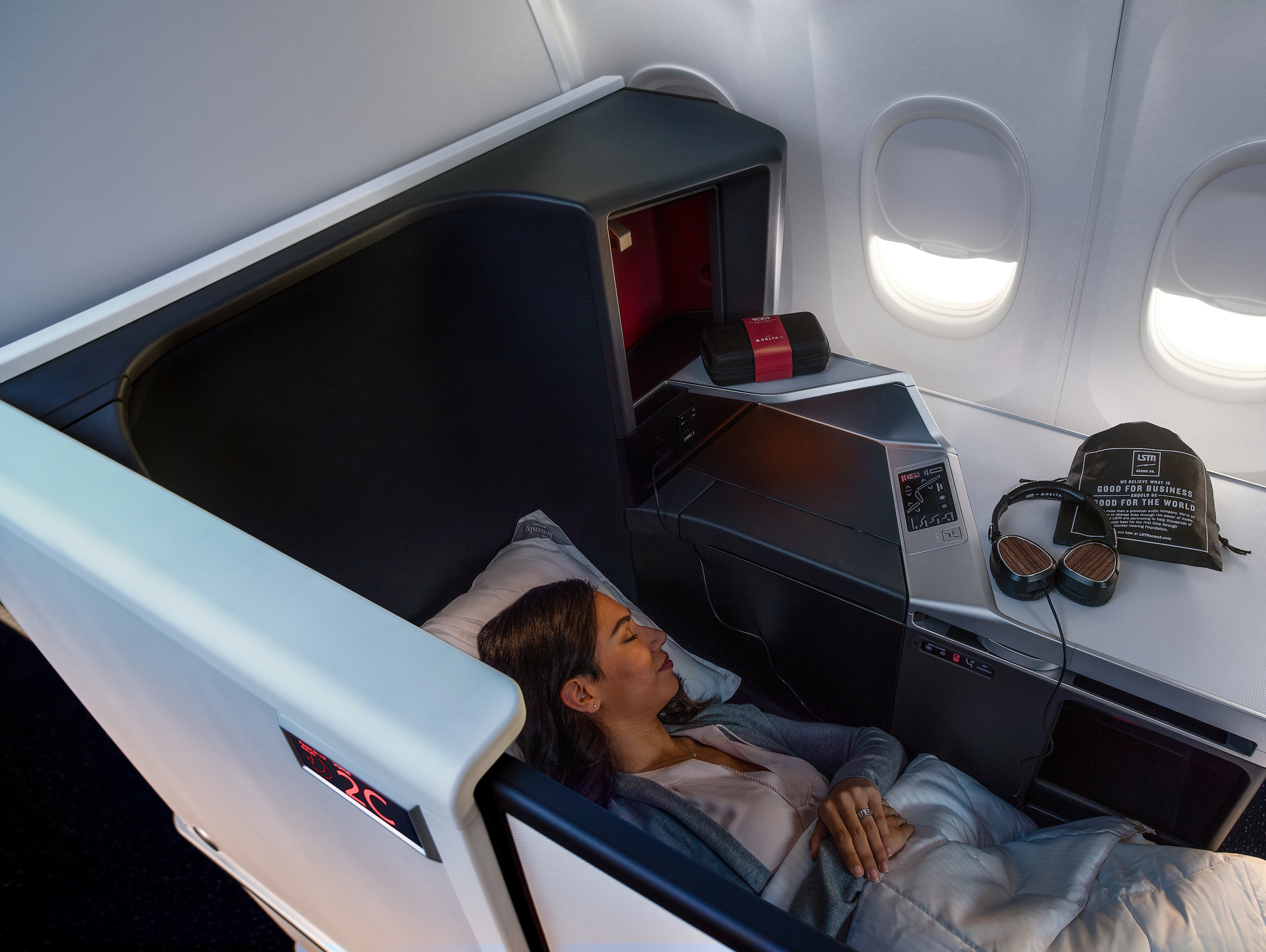
Delta Air Lines
Delta One Suite
Suite with closing door, 1-2-1
Delta One Suite privacy, Tumi amenity kit
Read Full Review →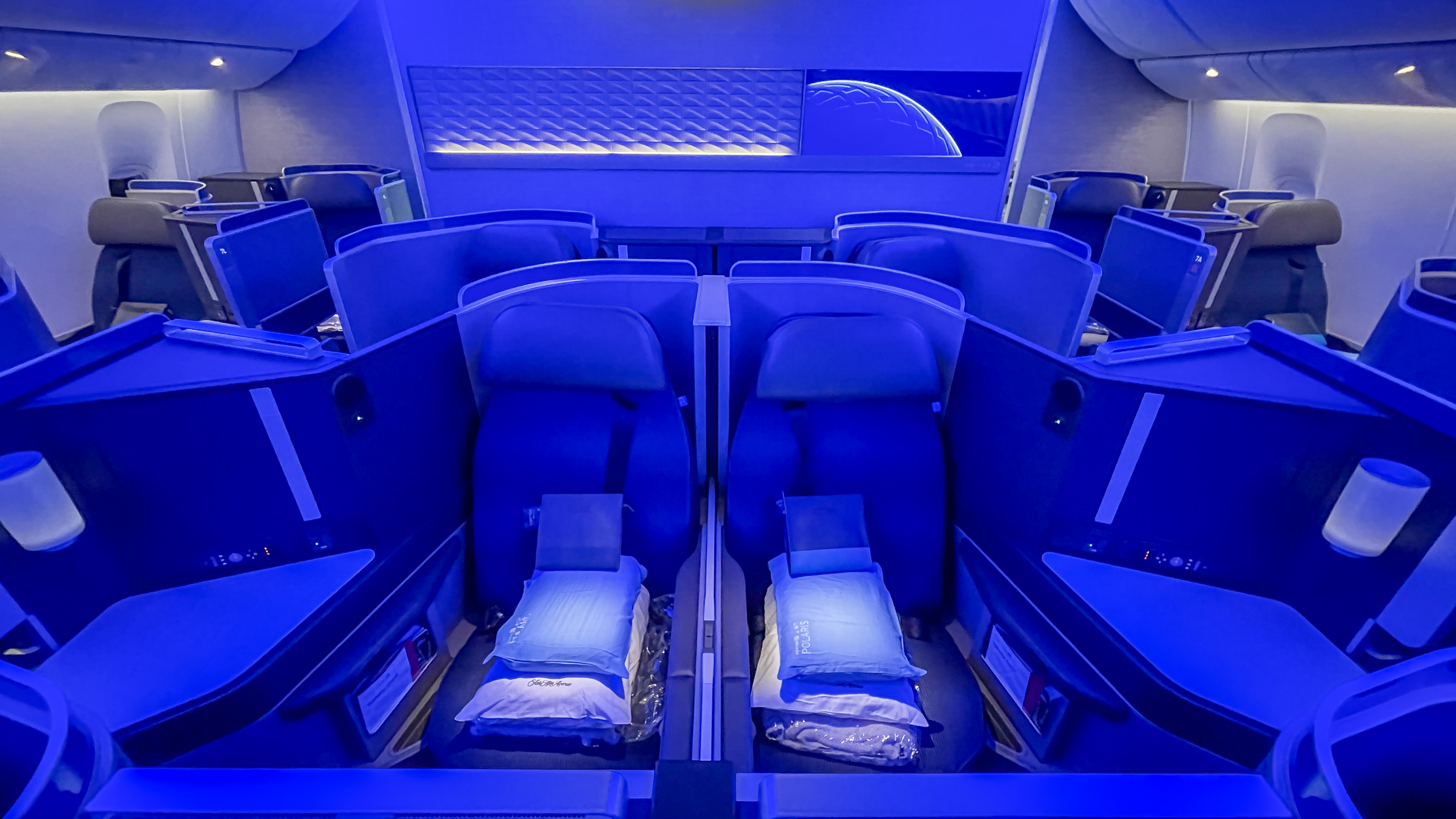
United Airlines
United Polaris
Lie-flat pod, 1-2-1
Polaris lounge access, Saks Fifth Avenue bedding
Read Full Review →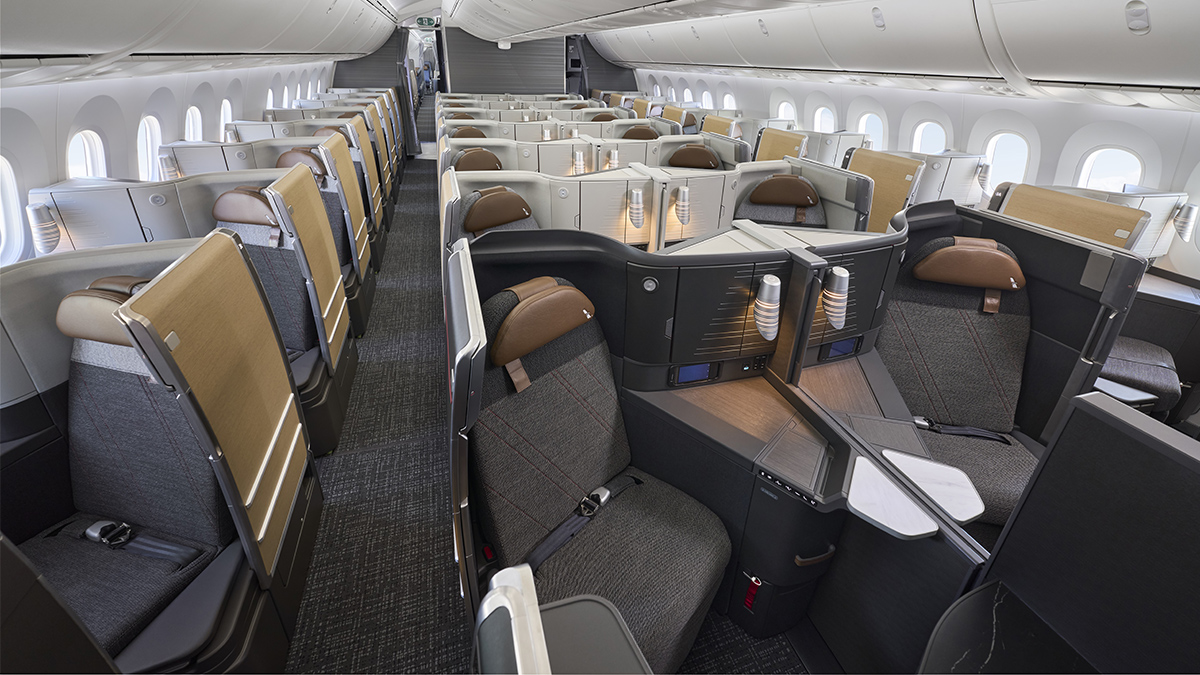
American Airlines
Flagship Business
Lie-flat suite, 1-2-1
Flagship Lounge, Casper bedding
Read Full Review →Top Rated
By Travelers
Up to 40%
Savings
Licensed
Accredited
24/7
Live Support
Operated by LUX Services LLC|FL Seller of Travel #ST46311
The Business Class Standard
Lie-Flat Guarantee
We only sell true Business Class. 180° fully flat beds on all long-haul routes, ensuring you arrive rested.
Premium Lounges
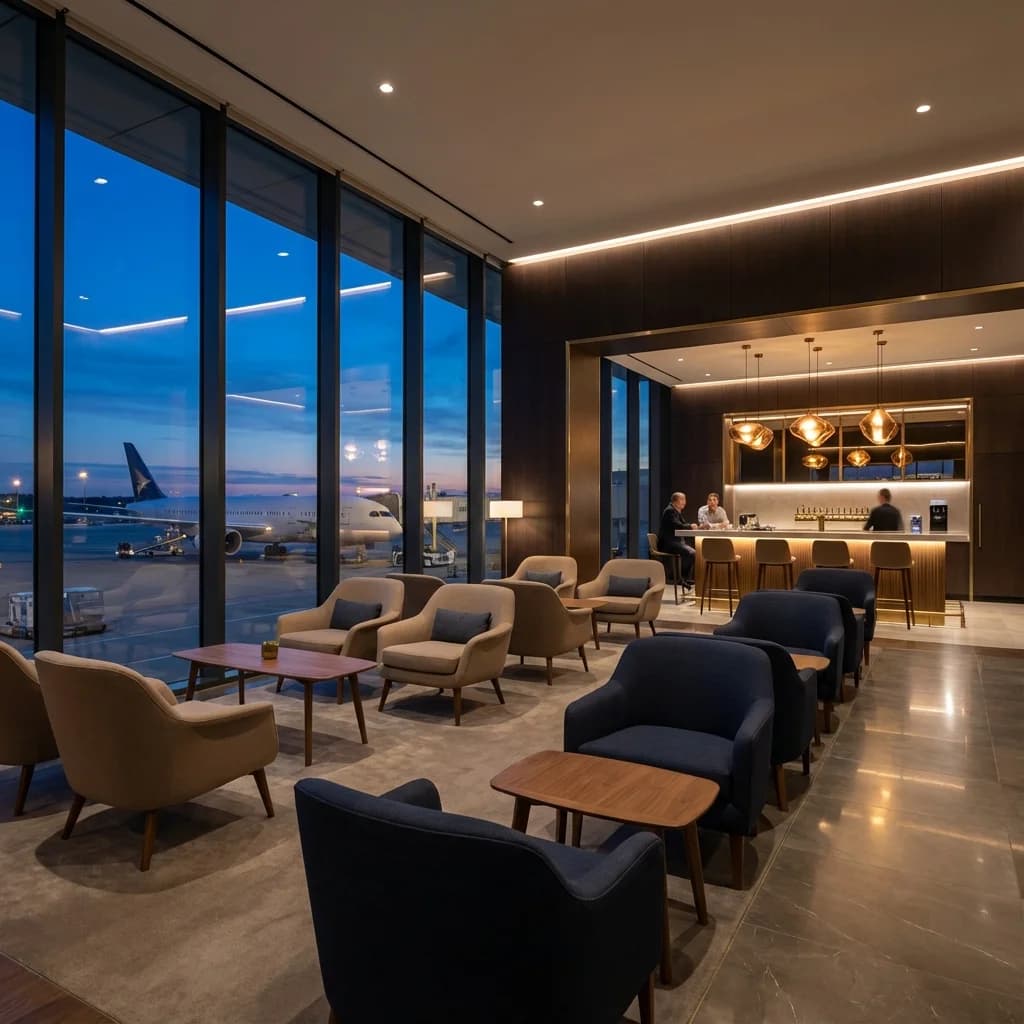
Access the world's finest lounges. Enjoy pre-flight dining, showers, and quiet workspaces before you board.
Priority Service
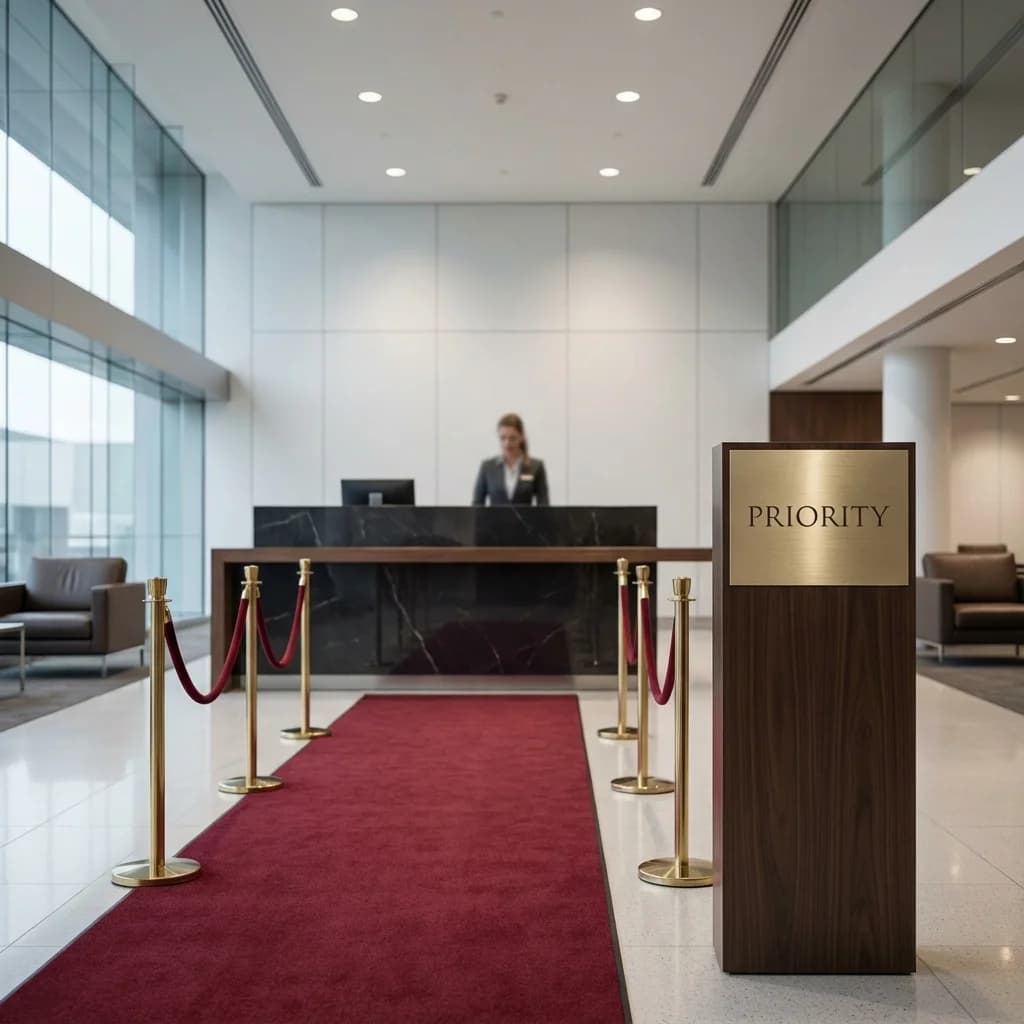
Skip the queues. Your ticket includes fast-track security, priority boarding, and premium baggage handling.
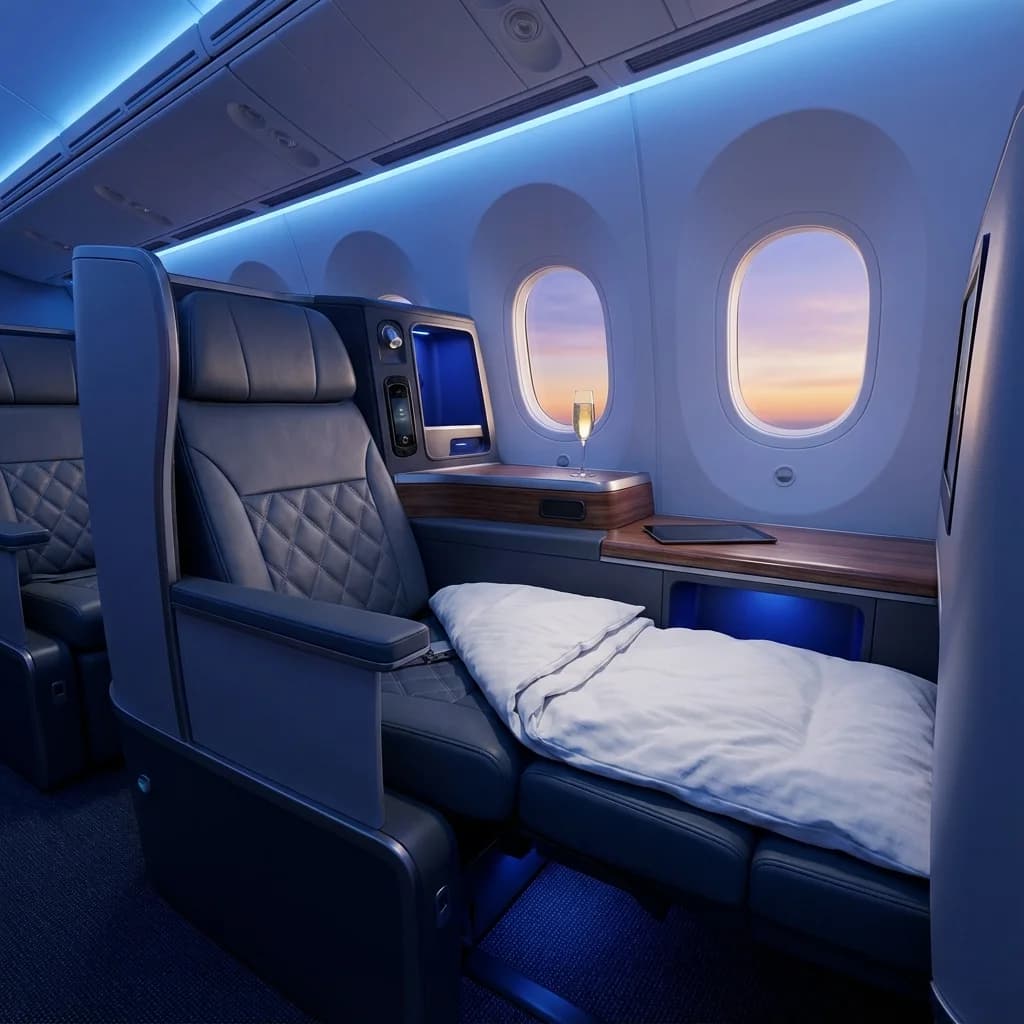
The Business Class Standard
Lie-Flat Guarantee
We only sell true Business Class. 180° fully flat beds on all long-haul routes, ensuring you arrive rested.
Premium Lounges
Access the world's finest lounges. Enjoy pre-flight dining, showers, and quiet workspaces before you board.
Priority Service
Skip the queues. Your ticket includes fast-track security, priority boarding, and premium baggage handling.
FAQs: Philadelphia to Luxembourg City Business Class
What Our Travelers Say
Client Feedback
Verified insights from travelers booking discounted international business class flights.
Ready to book Philadelphia to Luxembourg City?
Our travel experts have access to unpublished fares. Save up to 40%.