Business class flights from Portland (PDX) to Riga (RIX) start from $3,000 round-trip — up to 40% below published airline prices. The ~11 hours journey covers 5,096 miles, with 3 airlines offering lie-flat seats on this route. Best time to book: 3–6 months in advance for best fares.

PDX → RIX
Portland to Riga Business Class
From$3,000
Quick Verdict
Updated October 2026Portland to Riga business class fares start at $3,000 round-trip, with airlines including American Airlines, Delta Air Lines, United Airlines. The ~11 hours flight covers 5,096 miles. Peak season: June–August, December. Best value: January–March, November. Book through BestBusinessClass.com to save up to 40%.
From$3,000
Top AirlinesAmerican Airlines · Delta Air Lines · United Airlines
Flight Time~11 hours
Best MonthsJanuary–March
Route Overview
Starting From
$3,000 round-trip
Flight Duration
~11 hours
Distance
5,096 miles
Best Value
Jan, Feb, Mar
Savings
Up to 60% off retail
Route Intelligence
Business Class from Portland to Riga
Business class fares from Portland to Riga run $3,000–$7,450 round-trip through BestBusinessClass.com, a savings of roughly 30–50% versus standard published fares for this 5,096-mile, connection-based journey to the Baltics. There's no nonstop from PDX to Riga — none exists from any US gateway — so the routing always involves a connection through a major hub like Dallas, Charlotte, Atlanta, Minneapolis, Houston, or Chicago before the long transatlantic leg into Northern Europe. Total travel time typically lands between 14 and 18 hours depending on connection length, with the transatlantic segment itself running around 9-10 hours.
Airlines & Cabin Experience
Riga rewards travelers who want Baltic history without the crowds that overwhelm Prague or Vienna. The Old Town is a UNESCO site packed with Art Nouveau architecture — Alberta Street alone has more Jugendstil buildings than most European capitals combined. The Central Market, set in converted Zeppelin hangars, is one of the largest and most interesting food markets in Europe. Riga also works well as a base for exploring Jurmala's beach towns or connecting onward to Tallinn and Vilnius by train, so business travelers extending trips for leisure get outsized value from a single long-haul booking.

Pricing & Best Time to Fly
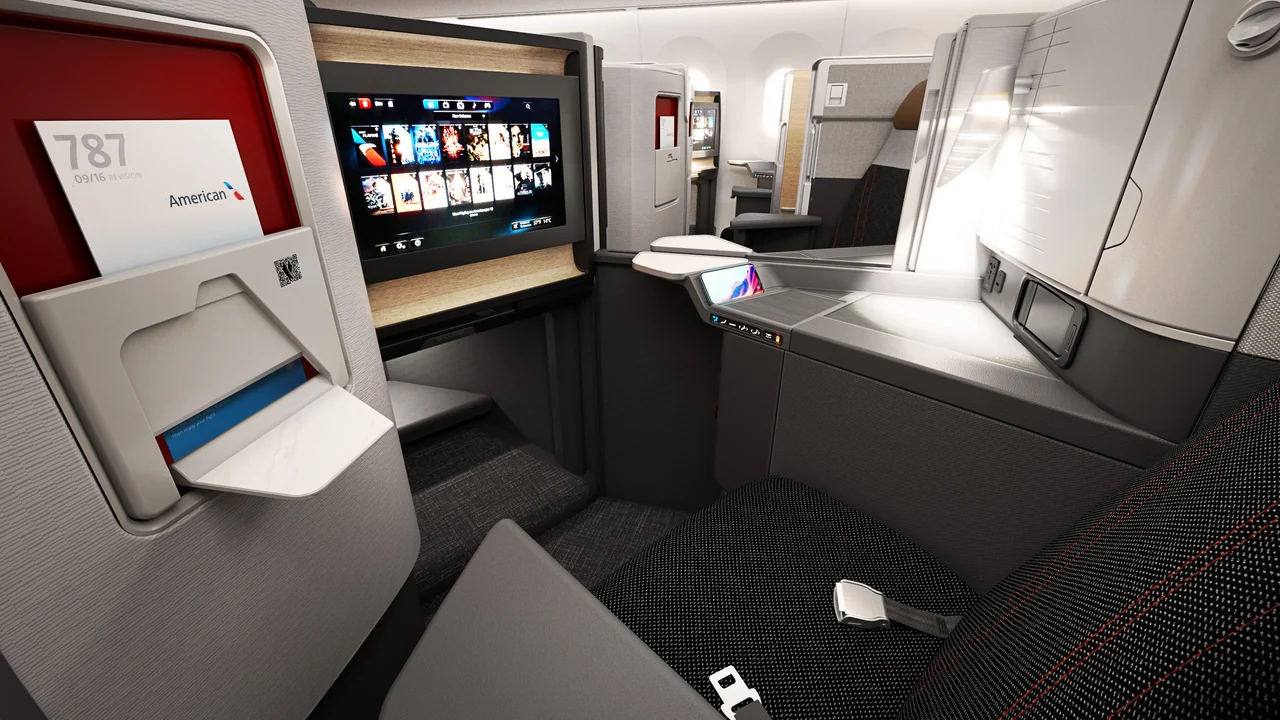
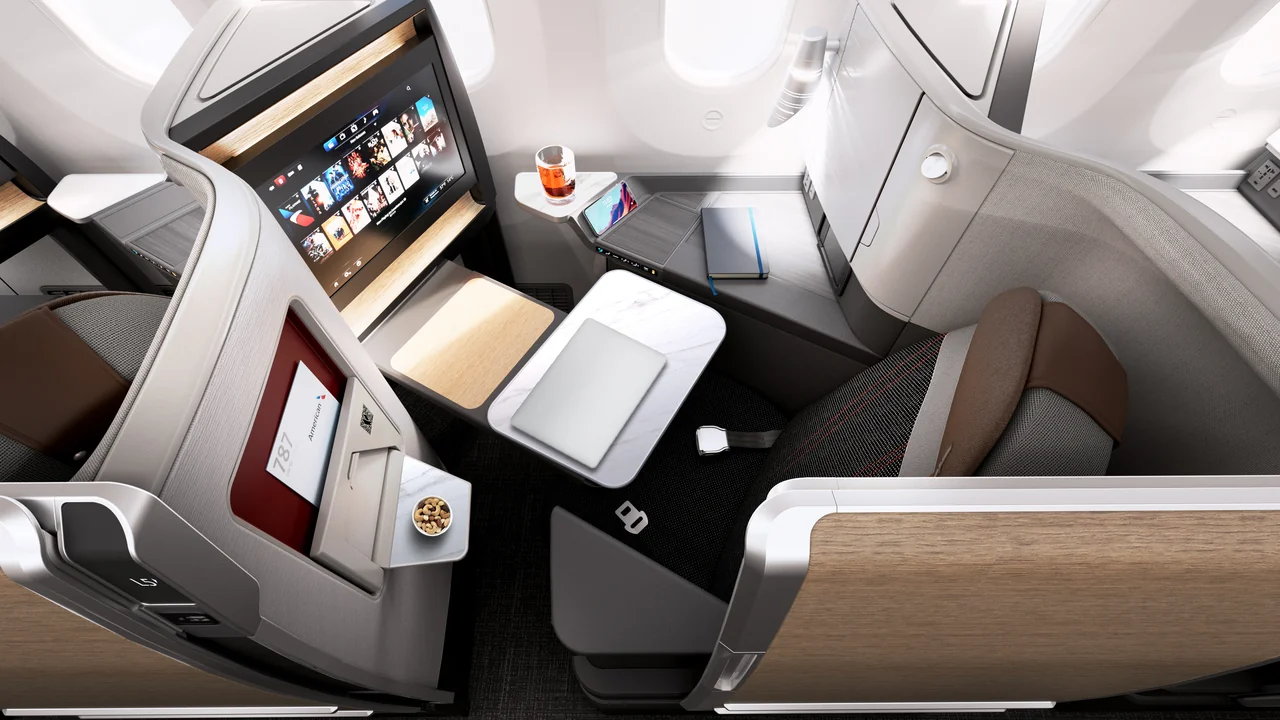
All three major US carriers serve this route well through their hub connections. American's Flagship Business gets you a lie-flat suite in 1-2-1 configuration with Casper bedding and Flagship Lounge access at connecting hubs like Charlotte or Dallas — a solid product for the transatlantic stretch. Delta's Delta One Suite is the standout if privacy matters most: a closing door, genuine suite feel, and Tumi amenity kits, typically routed through Atlanta or Minneapolis. United's Polaris product, connecting via Houston or Chicago, offers a comfortable lie-flat pod with Saks Fifth Avenue bedding and its own dedicated Polaris lounges at select hubs. For Portland to Riga business class, the choice often comes down to which domestic connection city works best with your schedule rather than product preference, since all three deliver genuine lie-flat comfort on the long-haul segment.
Why Book Through BestBusinessClass.com
Pricing on this route swings hard with season. January through March and October through November are the sweet spots — post-holiday and shoulder-season lulls in European leisure demand mean airlines release more discounted business inventory, often landing fares in the $3,000-$4,500 range. Summer travel (June through August) and the December holiday stretch push fares toward the $6,000-$7,450 ceiling as both leisure and Baltic diaspora travel spike. Booking 3-4 months out generally catches the best consolidator availability before inventory tightens.
Travel Tips
For the flight itself, this is an eastbound overnight routing, meaning you'll want to prioritize whichever domestic connection gets you onto the transatlantic leg departing in the evening — that maximizes sleep opportunity before landing in Europe mid-morning local time. Request window seats on the transatlantic segment if you want uninterrupted rest, or aisle seats near the galley if you plan to work through part of the flight. Given the multi-leg nature of this itinerary, build in at least 90 minutes at connecting hubs, especially at Dallas or Chicago, where terminal changes can eat into tight layovers.
Airline Comparison
| Airline | Product | Seat Configuration | Alliance | Key Features | Review |
|---|---|---|---|---|---|
| American Airlines | Flagship Business | Lie-flat suite, 1-2-1 | OneWorld | Flagship Lounge, Casper bedding | Read Review |
| Delta Air Lines | Delta One Suite | Suite with closing door, 1-2-1 | SkyTeam | Delta One Suite privacy, Tumi amenity kit | Read Review |
| United Airlines | United Polaris | Lie-flat pod, 1-2-1 | Star Alliance | Polaris lounge access, Saks Fifth Avenue bedding | Read Review |
American Airlines
Flagship Business
Lie-flat suite, 1-2-1
Flagship Lounge, Casper bedding
Read Full Review →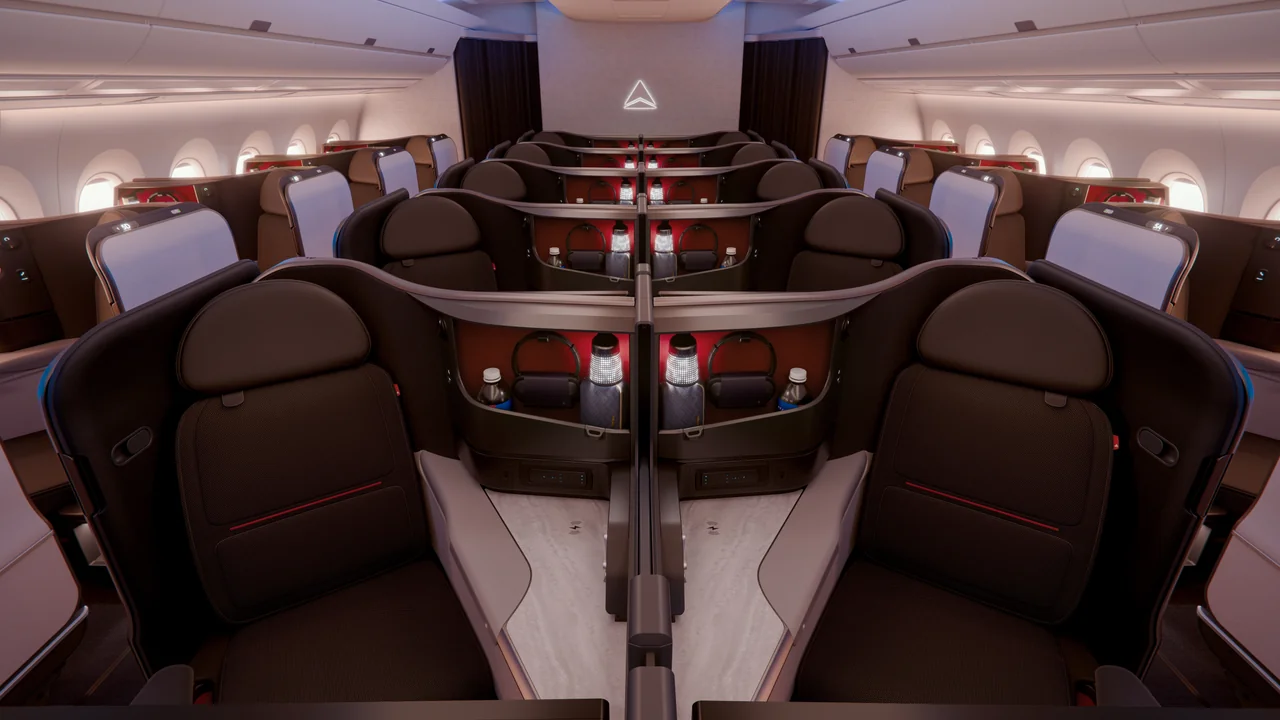
Delta Air Lines
Delta One Suite
Suite with closing door, 1-2-1
Delta One Suite privacy, Tumi amenity kit
Read Full Review →
United Airlines
United Polaris
Lie-flat pod, 1-2-1
Polaris lounge access, Saks Fifth Avenue bedding
Read Full Review →Best Time to Book
When Should You Book Portland to Riga Business Class?
Business class fares from Portland to Riga range from $3,000 to $7,450 round-trip, depending on season and advance booking. The best value is during January–March, November. Peak fares occur June–August, December. Booking 3–6 months ahead and choosing midweek departures typically yields 20–35% savings.
JanBest Value
FebBest Value
MarBest Value
AprAverage
MayAverage
JunPeak Pricing
JulPeak Pricing
AugPeak Pricing
SepAverage
OctAverage
NovGood Value
DecPeak Pricing
💚 Best Value — $3,000–$4,113
💛 Good Value — $3,890–$5,225
🟠 Average — $4,780–$6,115
🔴 Peak Pricing — $5,670–$7,450
Top Rated
By Travelers
Up to 40%
Savings
Licensed
Accredited
24/7
Live Support
Operated by LUX Services LLC|FL Seller of Travel #ST46311
The Business Class Standard
Lie-Flat Guarantee
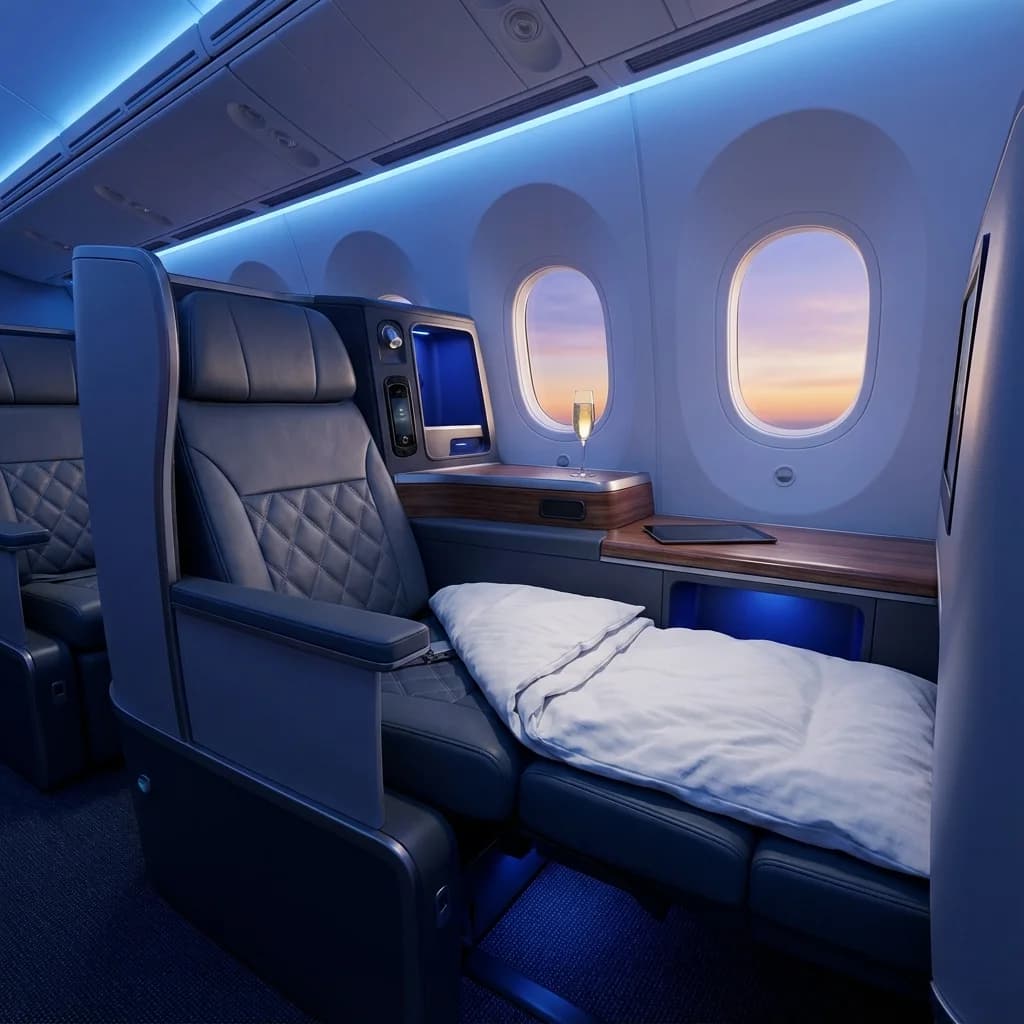
We only sell true Business Class. 180° fully flat beds on all long-haul routes, ensuring you arrive rested.
Premium Lounges
Access the world's finest lounges. Enjoy pre-flight dining, showers, and quiet workspaces before you board.
Priority Service
Skip the queues. Your ticket includes fast-track security, priority boarding, and premium baggage handling.
The Business Class Standard
Lie-Flat Guarantee
We only sell true Business Class. 180° fully flat beds on all long-haul routes, ensuring you arrive rested.
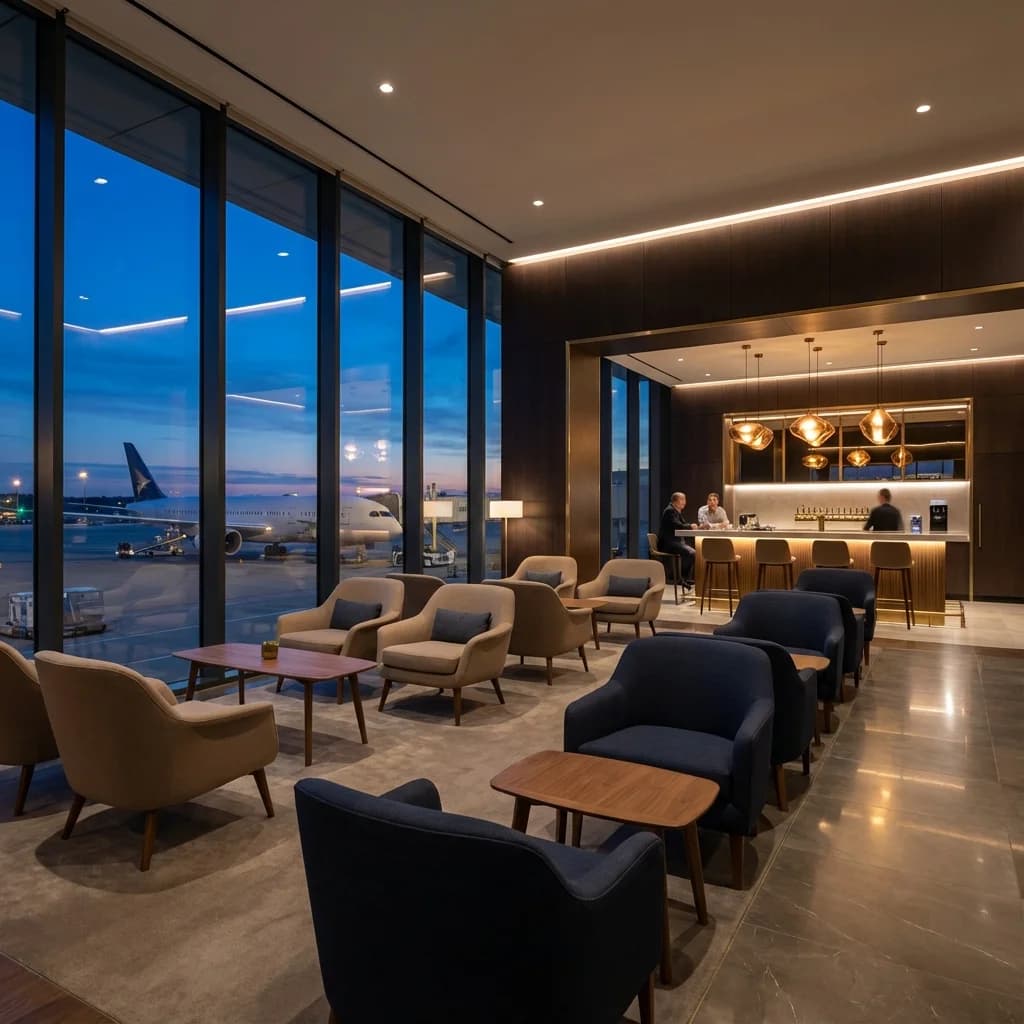
Premium Lounges
Access the world's finest lounges. Enjoy pre-flight dining, showers, and quiet workspaces before you board.
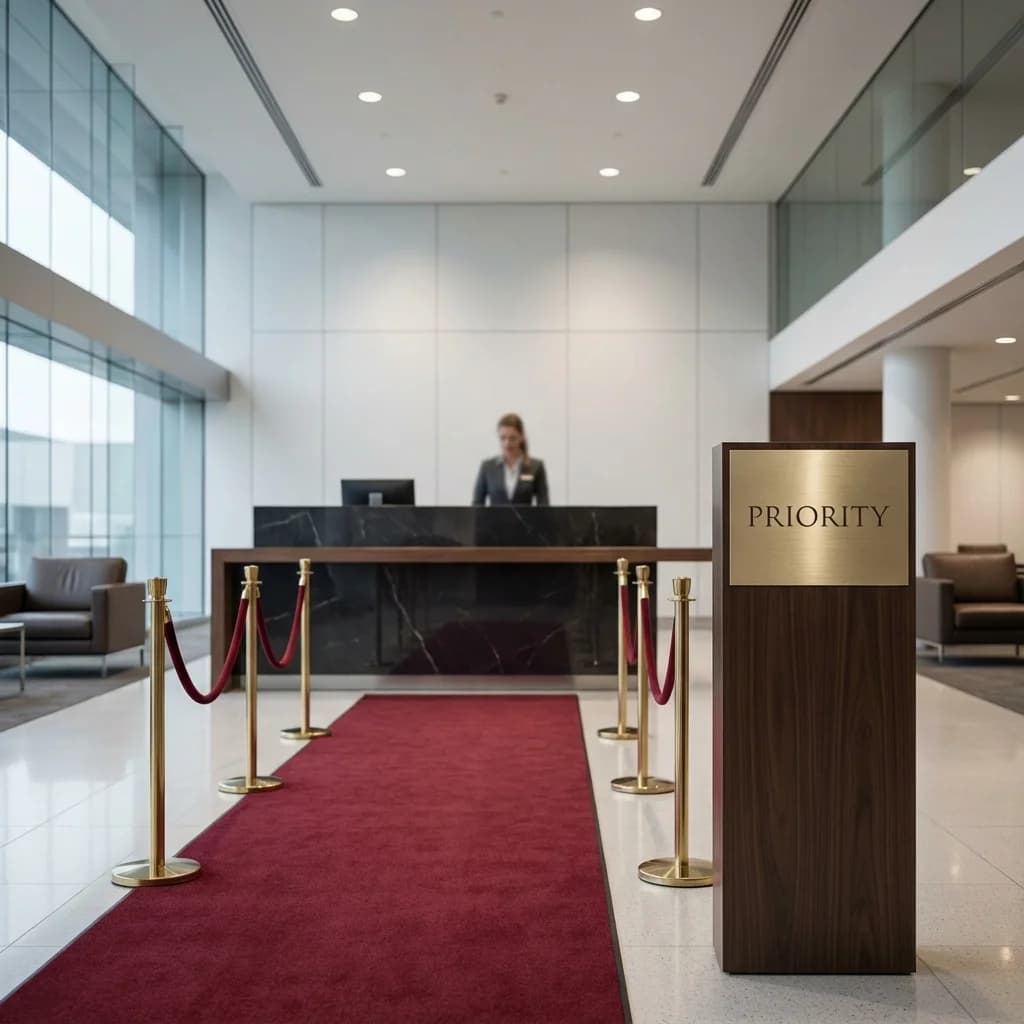
Priority Service
Skip the queues. Your ticket includes fast-track security, priority boarding, and premium baggage handling.
FAQs: Portland to Riga Business Class
Travel Guides
Insights for Riga Travelers



What Our Travelers Say
Client Feedback
Verified insights from travelers booking discounted international business class flights.
Ready to book Portland to Riga?
Our travel experts have access to unpublished fares. Save up to 40%.