Business class flights from San Diego (SAN) to Seville (SVQ) start from $3,000 round-trip — up to 40% below published airline prices. The ~13 hours journey covers 5,878 miles, with 3 airlines offering lie-flat seats on this route. Best time to book: 3–6 months in advance for best fares.

SAN → SVQ
San Diego to Seville Business Class
From$3,000
Quick Verdict
Updated October 2026San Diego to Seville business class fares start at $3,000 round-trip, with airlines including American Airlines, Delta Air Lines, United Airlines. The ~13 hours flight covers 5,878 miles. Peak season: June–August, December. Best value: January–March, November. Book through BestBusinessClass.com to save up to 40%.
From$3,000
Top AirlinesAmerican Airlines · Delta Air Lines · United Airlines
Flight Time~13 hours
Best MonthsJanuary–March
Route Overview
Starting From
$3,000 round-trip
Flight Duration
~13 hours
Distance
5,878 miles
Best Value
Jan, Feb, Mar
Savings
Up to 60% off retail
Route Intelligence
Business Class from San Diego to Seville
San Diego to Seville business class runs $3,000–$7,450 round-trip through BestBusinessClass.com, and since there's no nonstop service from SAN, every itinerary connects through a US gateway — Dallas, Charlotte, Atlanta, Minneapolis, Houston, or Chicago — before the transatlantic leg into Spain. Total trip time lands around 13 hours of flying, but with a connection factored in, plan on 16-20 hours door to door depending on layover length. That connection actually works in your favor for cabin selection, since it opens up American, Delta, and United as viable options rather than locking you into a single carrier's metal.
Airlines & Cabin Experience
Seville draws travelers who want Andalusia without the crowds of Barcelona or Madrid — the Alcázar's Mudéjar architecture, the orange-tree-lined streets of the Santa Cruz quarter, flamenco that's still performed for locals rather than tour groups, and a tapas culture built around small neighborhood bars rather than restaurants. It's also a smart base for day trips to Córdoba and Cádiz. The city gets brutally hot in summer, which is exactly why the shoulder-season months matter so much for this route.
Pricing & Best Time to Fly
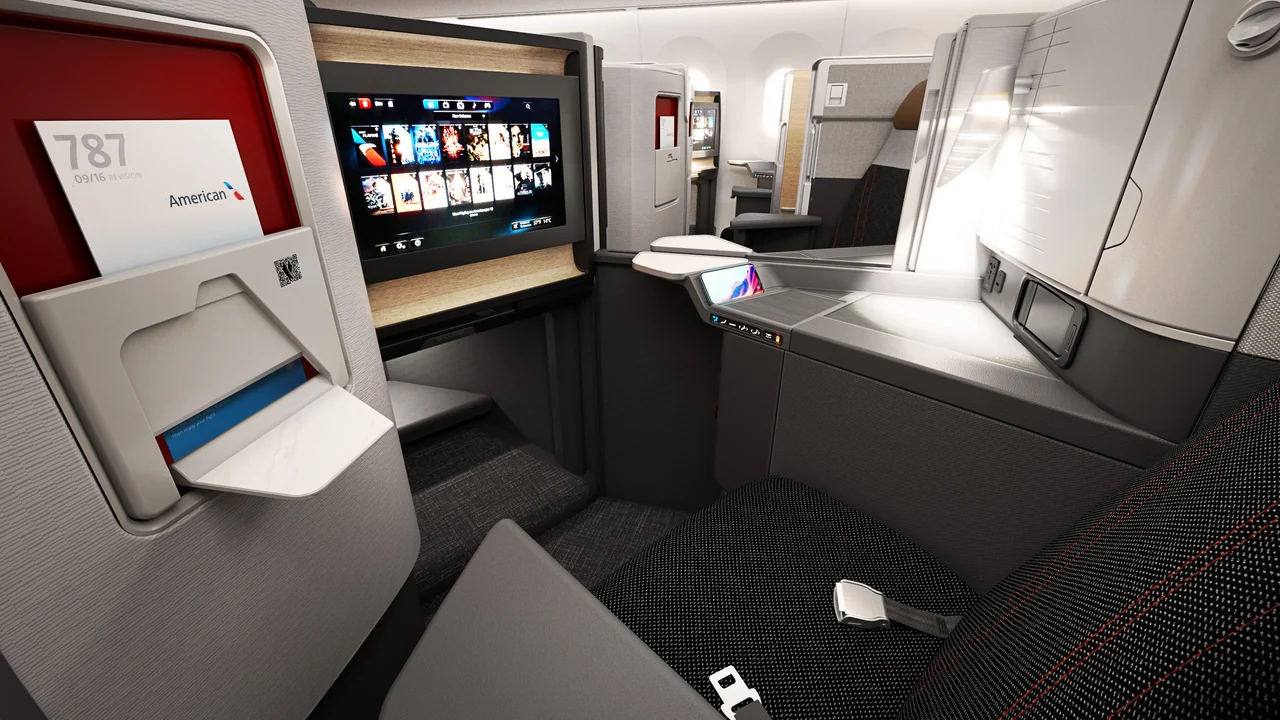
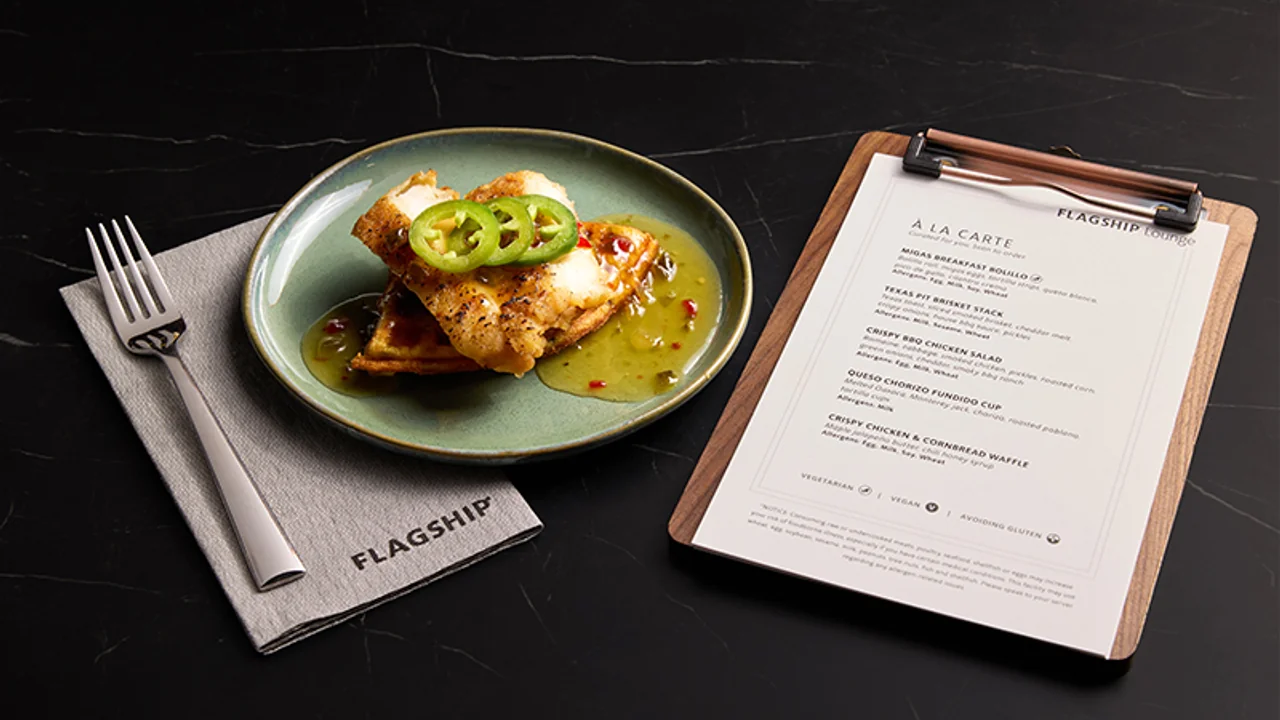
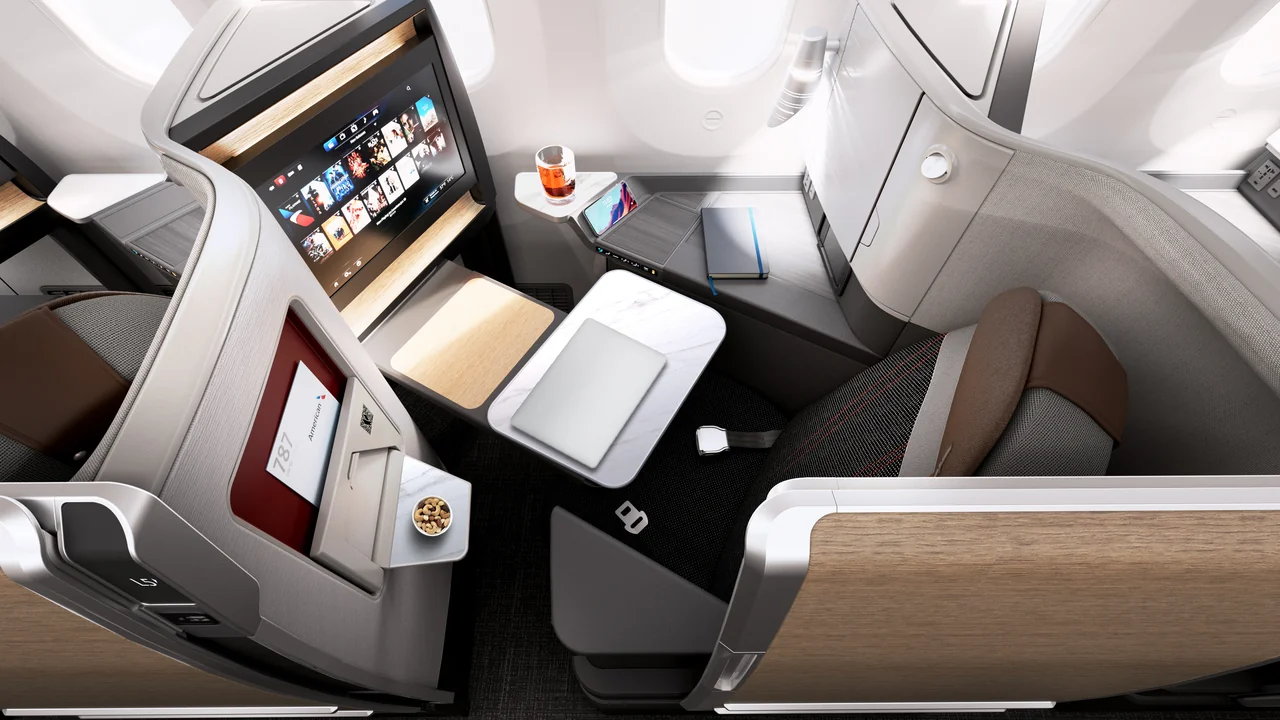
On the airline side, American's Flagship Business gives you a 1-2-1 lie-flat suite, Flagship Lounge access at your connecting hub, and Casper bedding — a solid choice if your routing runs through DFW or CLT. Delta One Suites, bookable via Atlanta or Minneapolis, add a closing door for extra privacy plus Tumi amenity kits, and Delta's product tends to have the most consistent hard seat across their long-haul fleet. United Polaris, typically routed through Houston or Chicago, offers the same 1-2-1 lie-flat layout with Polaris lounge access and Saks Fifth Avenue bedding. All three deliver a genuinely comfortable overnight experience for the transatlantic segment, so the deciding factor often comes down to which US connecting city fits your schedule and which loyalty program you're already in.
Why Book Through BestBusinessClass.com
Pricing on San Diego to Seville business class swings widely based on how far ahead you book and which weeks you target. January, February, March, October, and November are the sweet spot — Seville's climate is pleasant, hotel rates drop, and airlines price these shoulder months more aggressively since leisure demand is lower than peak summer. Booking 3-4 months out generally lands you in the lower half of that $3,000–$7,450 range, while last-minute searches or peak summer travel push toward the top. Because these are consolidator fares, BestBusinessClass.com can often secure 30-50% savings versus what you'd see booking the same cabin directly with the airline, particularly on the connecting itineraries where published fares tend to bundle in a premium for the routing complexity.
Travel Tips
For the flight itself, the eastbound transatlantic leg is almost always an overnight departure, so you'll want to board ready to sleep — skip the first meal service if you can and let the lie-flat seat do its job, since you'll land the next morning into a Spanish workday or sightseeing schedule. Westbound on the return, the flight lands in daylight, which makes it easier to fight jet lag by staying awake until local evening. Because this route involves a domestic connection before the international segment, building in at least 90 minutes at your hub airport is worth it, especially at Atlanta or Chicago where terminal changes can eat time.
Airline Comparison
| Airline | Product | Seat Configuration | Alliance | Key Features | Review |
|---|---|---|---|---|---|
| American Airlines | Flagship Business | Lie-flat suite, 1-2-1 | OneWorld | Flagship Lounge, Casper bedding | Read Review |
| Delta Air Lines | Delta One Suite | Suite with closing door, 1-2-1 | SkyTeam | Delta One Suite privacy, Tumi amenity kit | Read Review |
| United Airlines | United Polaris | Lie-flat pod, 1-2-1 | Star Alliance | Polaris lounge access, Saks Fifth Avenue bedding | Read Review |
American Airlines
Flagship Business
Lie-flat suite, 1-2-1
Flagship Lounge, Casper bedding
Read Full Review →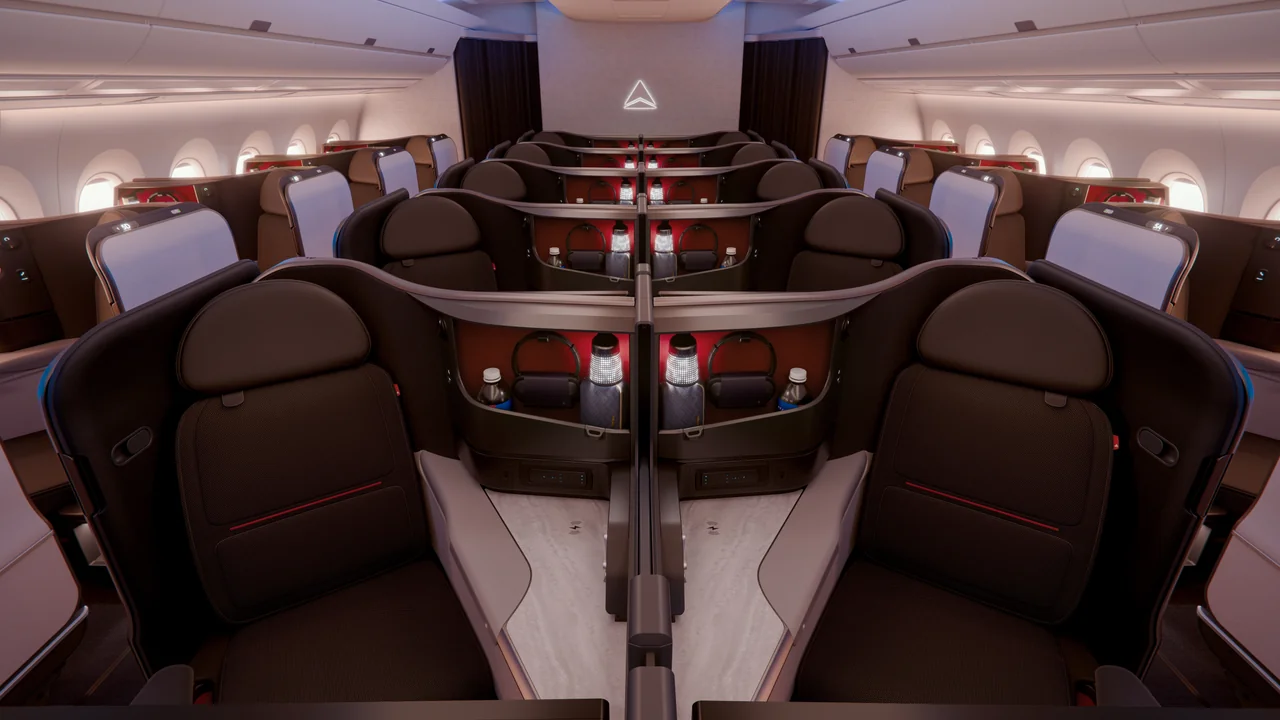
Delta Air Lines
Delta One Suite
Suite with closing door, 1-2-1
Delta One Suite privacy, Tumi amenity kit
Read Full Review →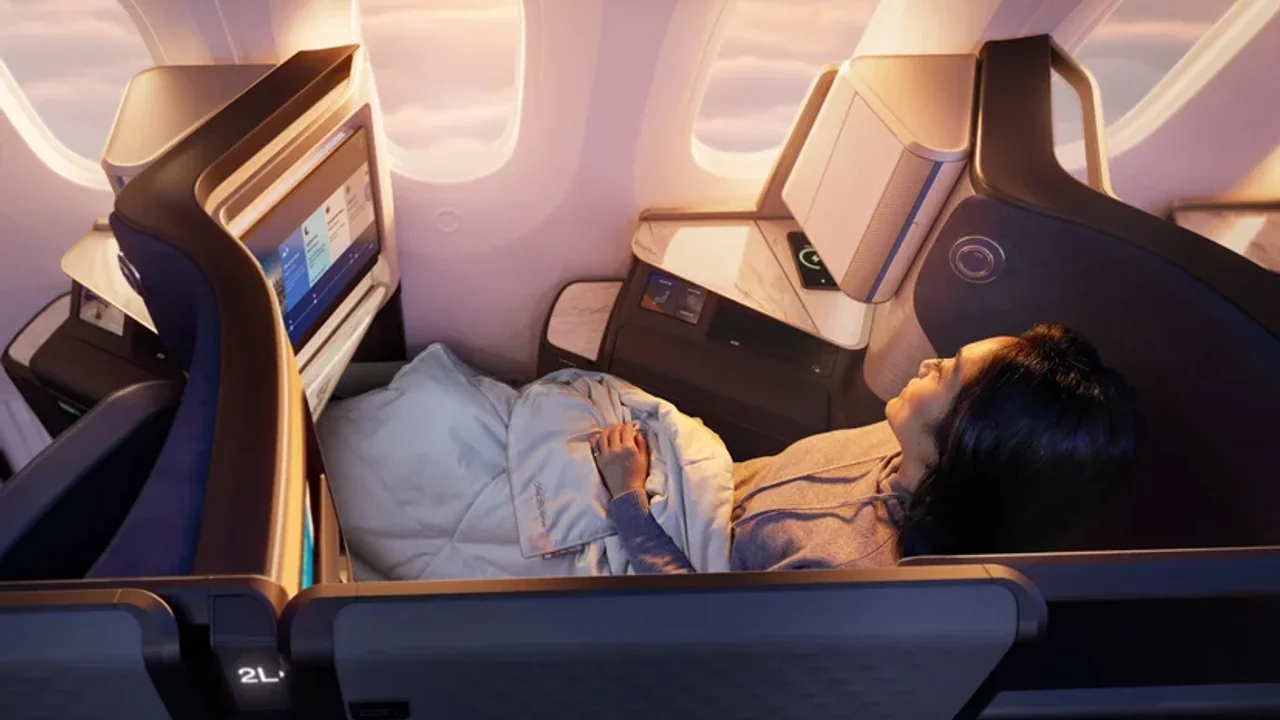
United Airlines
United Polaris
Lie-flat pod, 1-2-1
Polaris lounge access, Saks Fifth Avenue bedding
Read Full Review →Best Time to Book
When Should You Book San Diego to Seville Business Class?
Business class fares from San Diego to Seville range from $3,000 to $7,450 round-trip, depending on season and advance booking. The best value is during January–March, November. Peak fares occur June–August, December. Booking 3–6 months ahead and choosing midweek departures typically yields 20–35% savings.
JanBest Value
FebBest Value
MarBest Value
AprAverage
MayAverage
JunPeak Pricing
JulPeak Pricing
AugPeak Pricing
SepAverage
OctAverage
NovGood Value
DecPeak Pricing
💚 Best Value — $3,000–$4,113
💛 Good Value — $3,890–$5,225
🟠 Average — $4,780–$6,115
🔴 Peak Pricing — $5,670–$7,450
Top Rated
By Travelers
Up to 40%
Savings
Licensed
Accredited
24/7
Live Support
Operated by LUX Services LLC|FL Seller of Travel #ST46311
The Business Class Standard
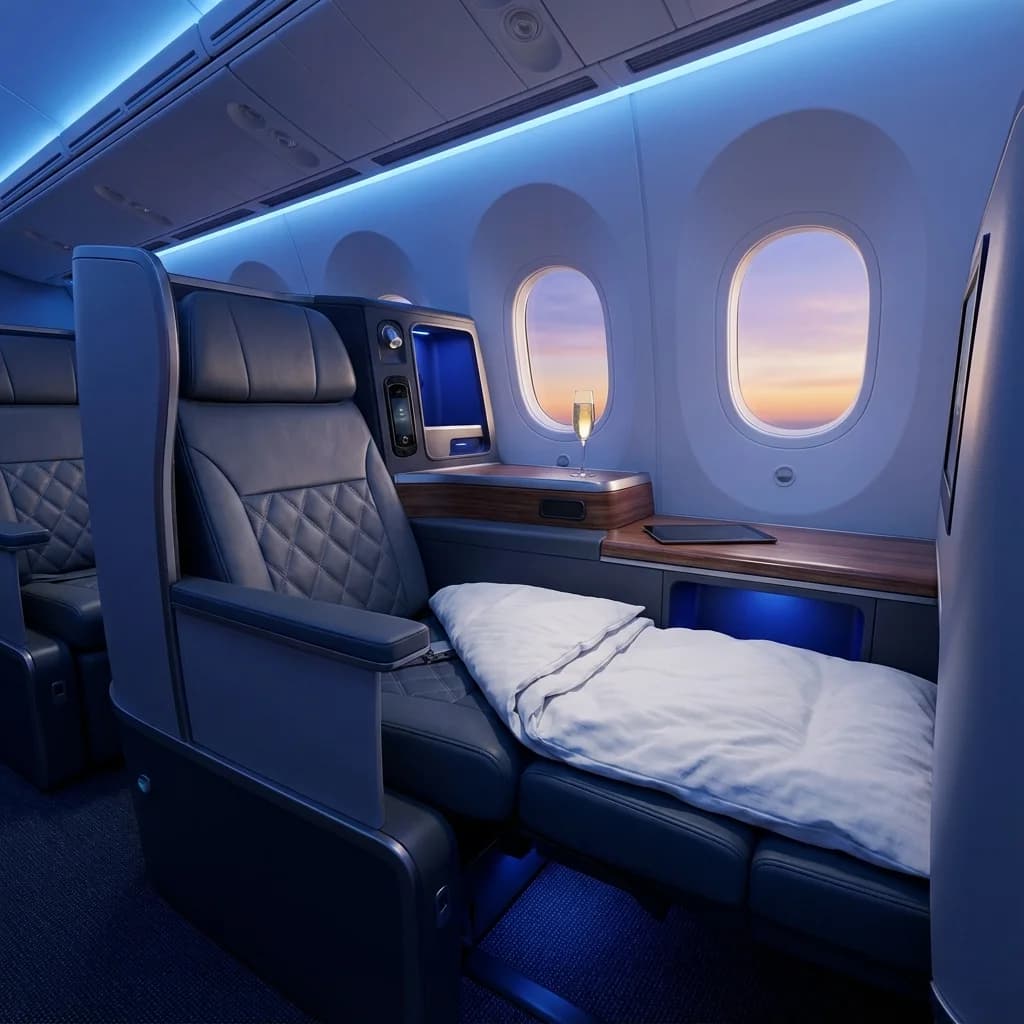
Lie-Flat Guarantee
We only sell true Business Class. 180° fully flat beds on all long-haul routes, ensuring you arrive rested.
Premium Lounges
Access the world's finest lounges. Enjoy pre-flight dining, showers, and quiet workspaces before you board.
Priority Service
Skip the queues. Your ticket includes fast-track security, priority boarding, and premium baggage handling.
The Business Class Standard
Lie-Flat Guarantee
We only sell true Business Class. 180° fully flat beds on all long-haul routes, ensuring you arrive rested.
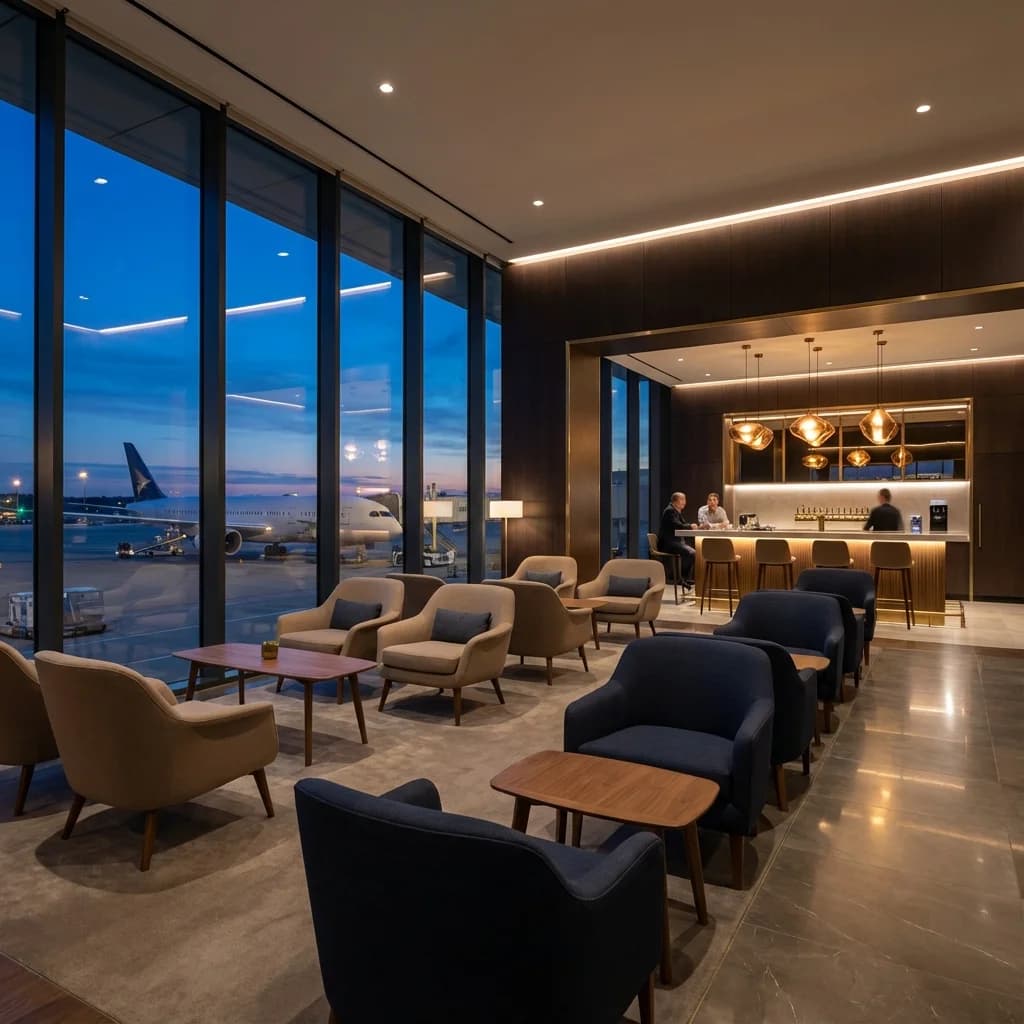
Premium Lounges
Access the world's finest lounges. Enjoy pre-flight dining, showers, and quiet workspaces before you board.
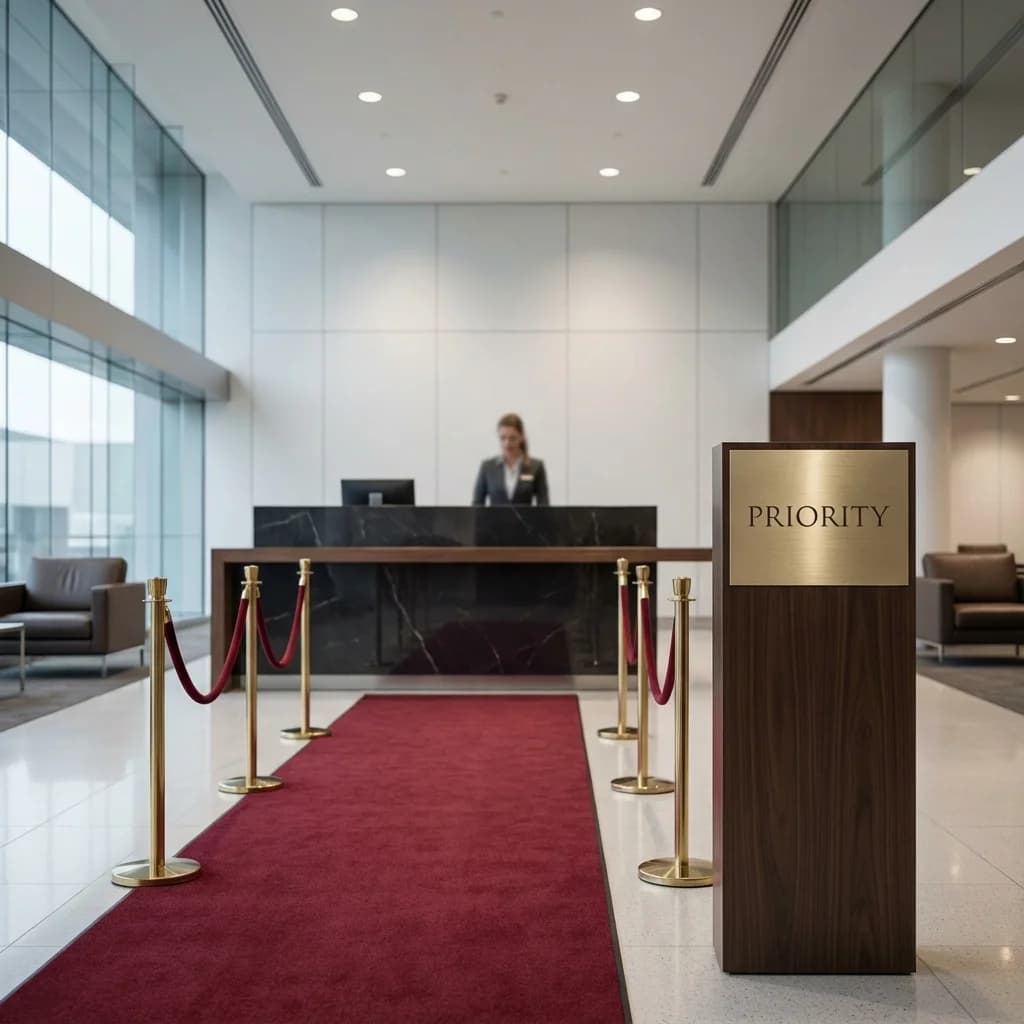
Priority Service
Skip the queues. Your ticket includes fast-track security, priority boarding, and premium baggage handling.
FAQs: San Diego to Seville Business Class
Travel Guides
Insights for Seville Travelers



What Our Travelers Say
Client Feedback
Verified insights from travelers booking discounted international business class flights.
Ready to book San Diego to Seville?
Our travel experts have access to unpublished fares. Save up to 40%.