Business class flights from Tri-Cities (TRI) to Tokyo (NRT) start from $2,666 round-trip — up to 40% below published airline prices. The ~12.3 hours journey covers 6,740 miles, with 2 airlines offering lie-flat seats on this route. Best time to book: 3–6 months in advance for best fares.

TRI → NRT
Tri-Cities to Tokyo Business Class
From$2,666
Quick Verdict
Updated September 2026Tri-Cities to Tokyo business class fares start at $2,666 round-trip, with airlines including American Airlines, Delta Air Lines. The ~12.3 hours flight covers 6,740 miles. Peak season: March–May, October–November. Best value: June–September. Book through BestBusinessClass.com to save up to 40%.
From$2,666
Top AirlinesAmerican Airlines · Delta Air Lines
Flight Time~12.3 hours
Best MonthsJune–September
Route Overview
Starting From
$2,666 round-trip
Flight Duration
~12.3 hours
Distance
6,740 miles
Best Value
Jan, Feb, Mar
Savings
Up to 60% off retail
Route Intelligence
Business Class from Tri-Cities to Tokyo
Tri-Cities travelers headed to Tokyo are usually chasing one of two things: the food scene that makes the city a bucket-list stop for serious eaters, or a jumping-off point for Kyoto, Osaka, and the ski slopes of Hokkaido or Nagano. Tokyo works well for both. It's a city where a $15 bowl of ramen and a three-star kaiseki dinner both feel worth the trip, and the train network makes day trips to Nikko or Kamakura painless once you're settled in. Because Tri-Cities (TRI) has no direct widebody service, every itinerary to Narita routes through a major hub — most commonly Dallas/Fort Worth, Charlotte, Atlanta, or Minneapolis — before the long transpacific leg begins.
Airlines & Cabin Experience
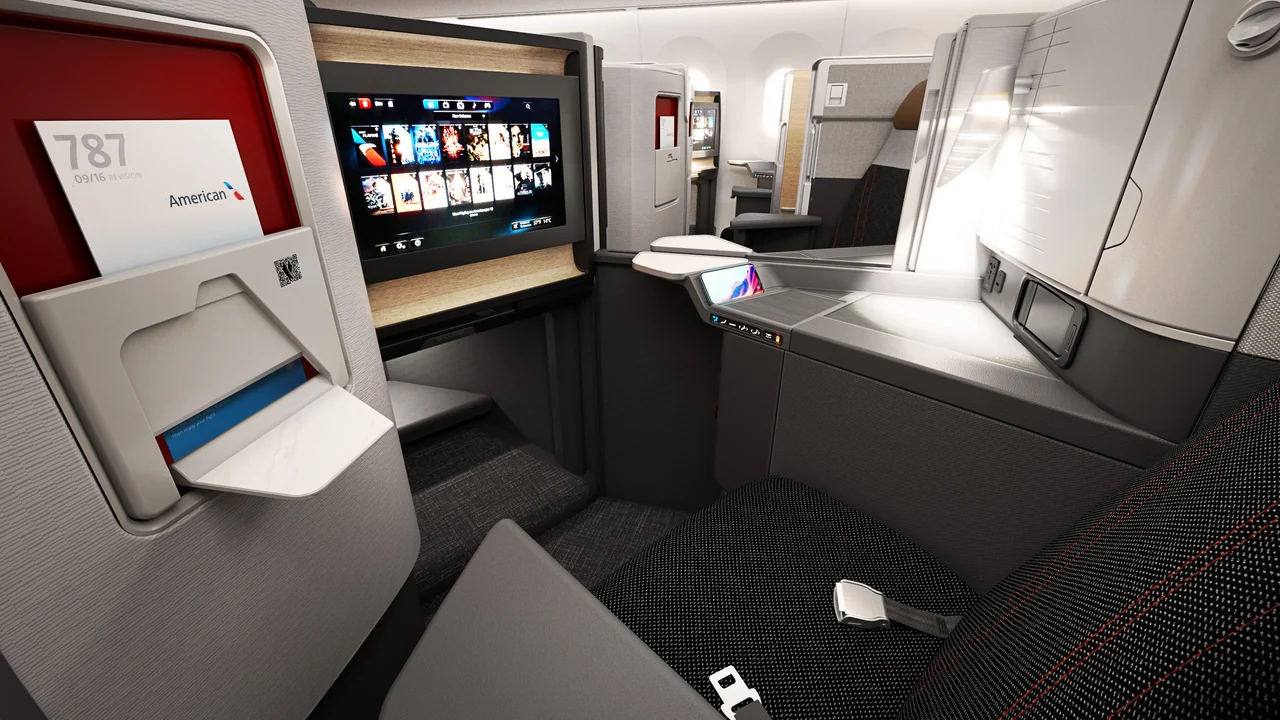
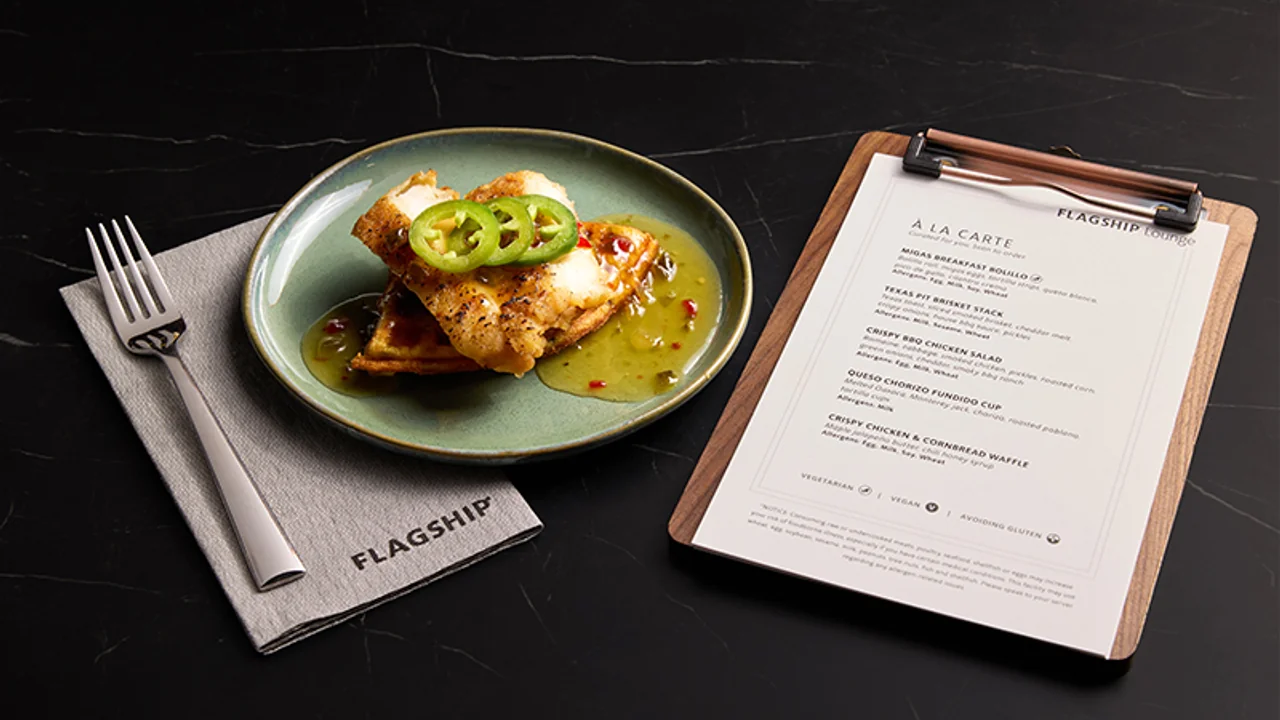
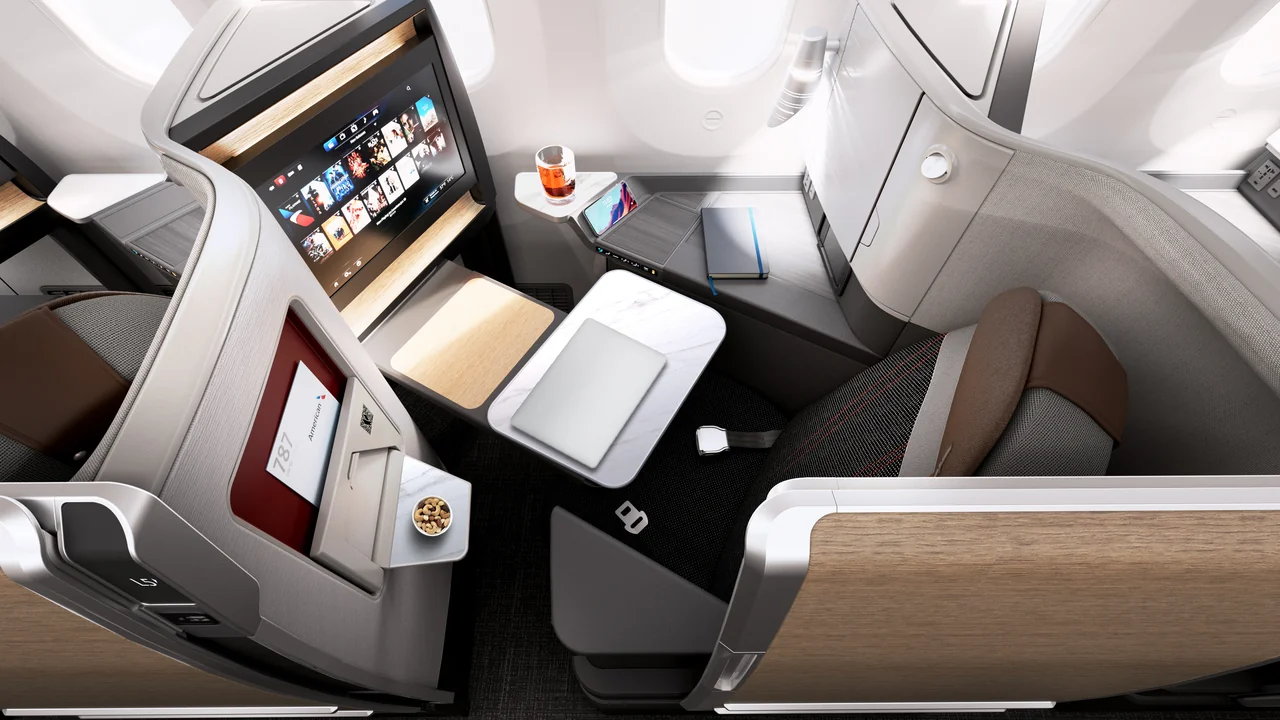
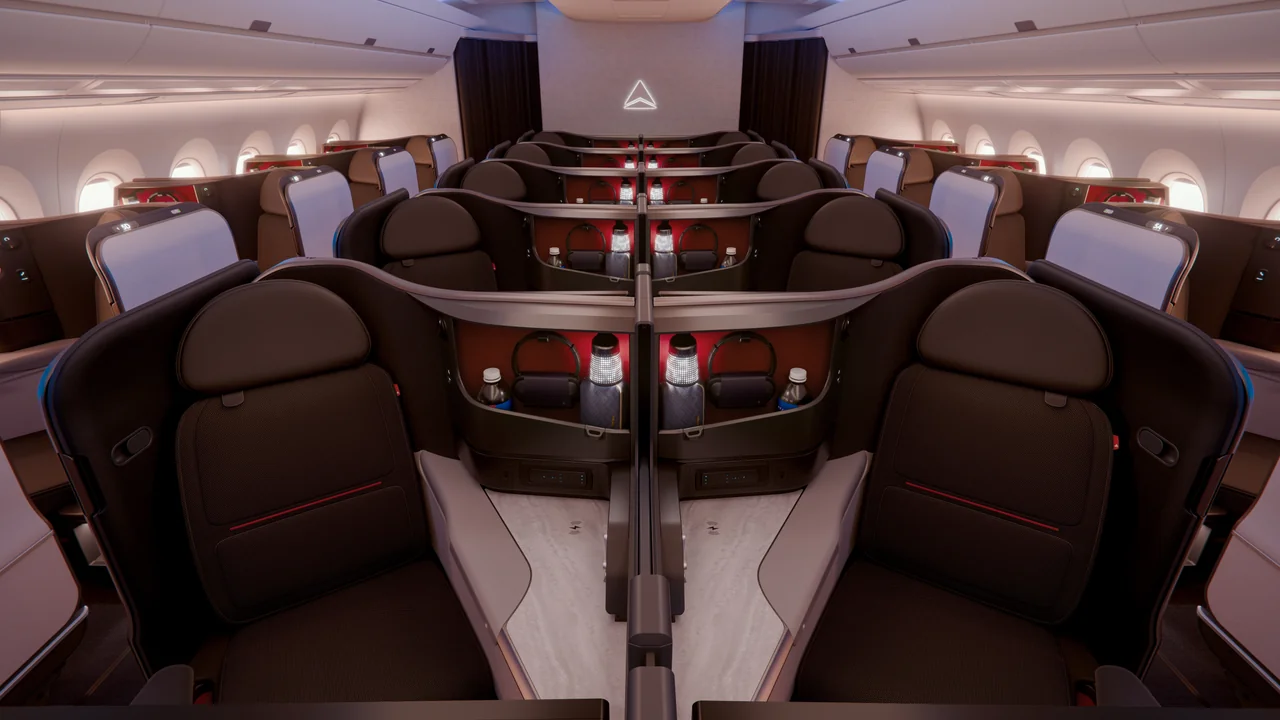
That connection point usually determines your airline, and both major carriers on this route field genuinely strong business class products. Flying through DFW puts you on American's Flagship Business, a 1-2-1 lie-flat suite with Casper-designed bedding and, if your routing allows a DFW layover of any length, access to the Flagship Lounge — one of the better domestic lounges for a pre-departure meal. Routing through Atlanta or Minneapolis puts you on Delta One, where the suite includes a closing door for real privacy on the 13+ hour Tokyo leg, plus a Tumi amenity kit that's a notch above the industry standard. Charlotte connections typically feed into American's network as well. Neither product is a letdown — the difference mostly comes down to which hub fits your connection time and which loyalty program you'd rather credit.
Pricing & Best Time to Fly
On pricing, our consolidator fares for Tri-Cities to Tokyo business class run $2,666 to $5,166 round-trip, which is routinely 30-60% below what you'd see booking directly with American or Delta for the same cabin. The spread in that range depends on travel dates, how far out you book, and which specific fare class opens up on the transpacific segment — lie-flat business class inventory on Tokyo routes is limited and consolidator allocations move fast during peak windows. January through March and October through December are your best months here, both for fare availability and for weather — Tokyo in fall is mild with excellent foliage season, and winter avoids the summer humidity and typhoon season that can complicate August travel. We'd suggest booking 2-3 months ahead for these windows if you want real choice on flight times and seat selection.
Why Book Through BestBusinessClass.com
A few practical notes for the actual travel day. This is a westbound long-haul with a domestic connection bolted on front, so total travel time from TRI often runs 15-17 hours door to door once you account for the connection. Build in at least 90 minutes at your hub airport — DFW and ATL in particular can have long walks between terminals. The transpacific leg itself crosses the International Date Line, so you'll lose a day on the way out and gain it back on return; most travelers try to sleep through a chunk of the outbound flight to land at Narita in the local evening feeling reasonably human. Narita to central Tokyo is about 60-90 minutes by train or car, so factor that into any evening arrival plans. On the return, Delta One's suite door and American's Flagship seat both handle the redeye-style eastbound flight well if you want to try to reset your body clock before landing back in a US time zone.
Travel Tips
Given the routing complexity and the fact that award and fare availability on the Tokyo legs can be inconsistent, this is a route where having someone search wholesale inventory across both carriers' hub options tends to save real money and real hassle.
Airline Comparison
| Airline | Product | Seat Configuration | Alliance | Key Features | Review |
|---|---|---|---|---|---|
| American Airlines | Flagship Business | Lie-flat suite, 1-2-1 | OneWorld | Flagship Lounge, Casper bedding | Read Review |
| Delta Air Lines | Delta One Suite | Suite with closing door, 1-2-1 | SkyTeam | Delta One Suite privacy, Tumi amenity kit | Read Review |
Best Time to Book
When Should You Book Tri-Cities to Tokyo Business Class?
Business class fares from Tri-Cities to Tokyo range from $2,666 to $5,166 round-trip, depending on season and advance booking. The best value is during June–September. Peak fares occur March–May, October–November. Booking 3–6 months ahead and choosing midweek departures typically yields 20–35% savings.
JanBest Value
FebBest Value
MarBest Value
AprPeak Pricing
MayPeak Pricing
JunGood Value
JulGood Value
AugGood Value
SepGood Value
OctPeak Pricing
NovPeak Pricing
DecAverage
💚 Best Value — $2,666–$3,291
💛 Good Value — $3,166–$3,916
🟠 Average — $3,666–$4,416
🔴 Peak Pricing — $4,166–$5,166
Top Rated
By Travelers
Up to 40%
Savings
Licensed
Accredited
24/7
Live Support
Operated by LUX Services LLC|FL Seller of Travel #ST46311
The Business Class Standard
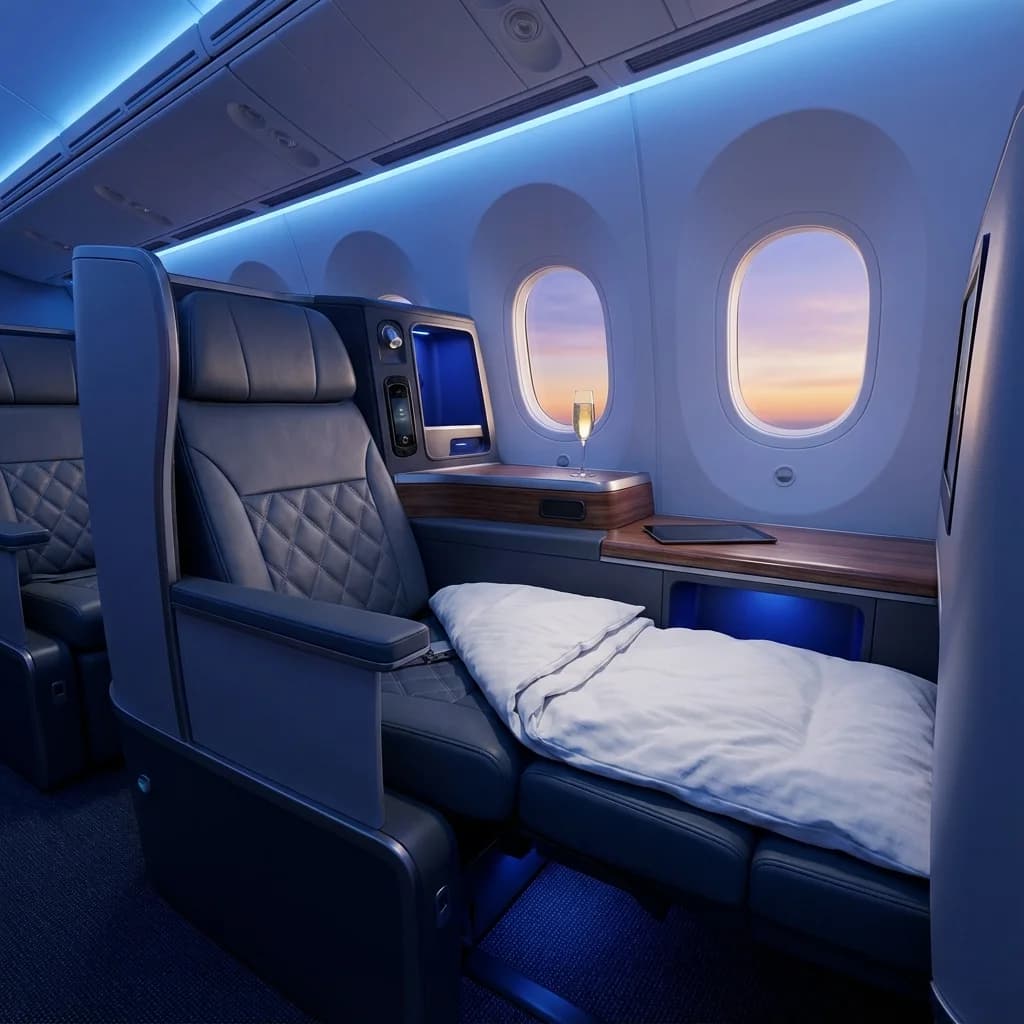
Lie-Flat Guarantee
We only sell true Business Class. 180° fully flat beds on all long-haul routes, ensuring you arrive rested.
Premium Lounges
Access the world's finest lounges. Enjoy pre-flight dining, showers, and quiet workspaces before you board.
Priority Service
Skip the queues. Your ticket includes fast-track security, priority boarding, and premium baggage handling.
The Business Class Standard
Lie-Flat Guarantee
We only sell true Business Class. 180° fully flat beds on all long-haul routes, ensuring you arrive rested.
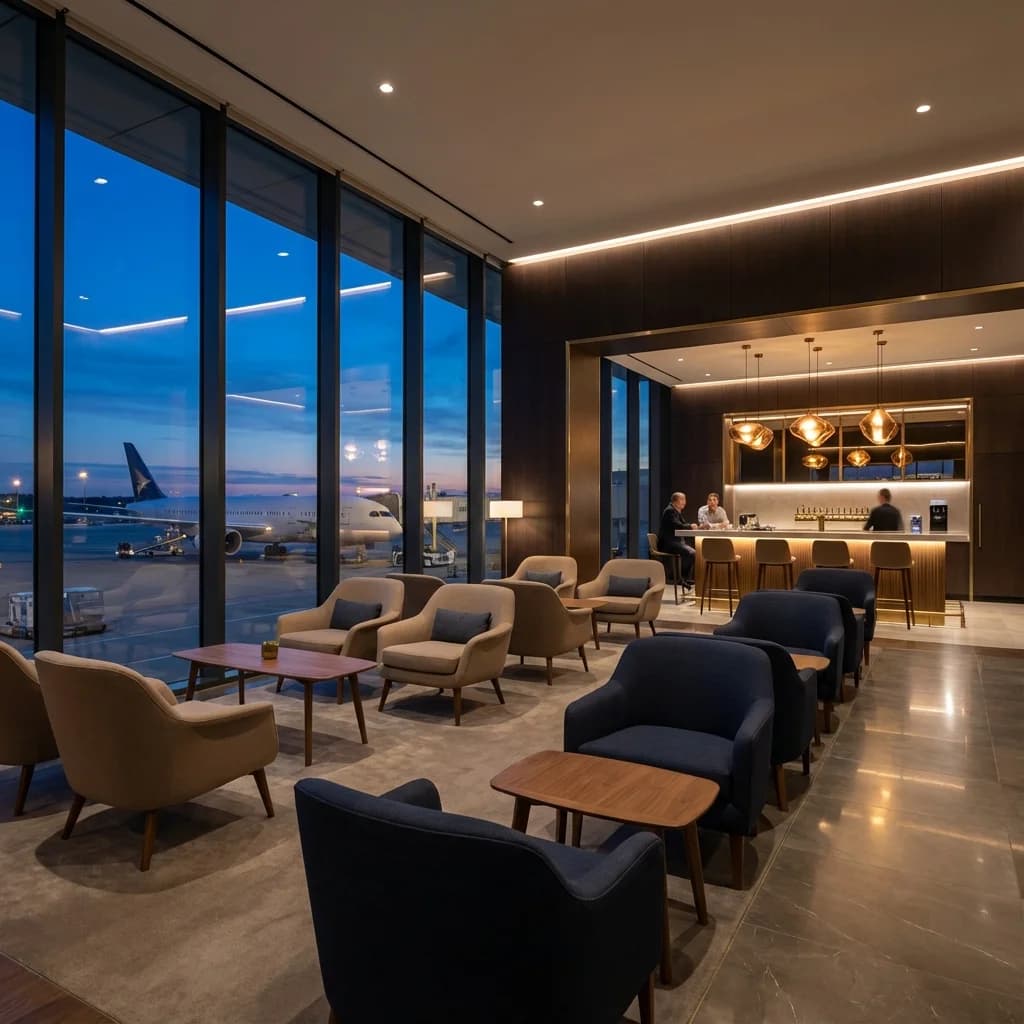
Premium Lounges
Access the world's finest lounges. Enjoy pre-flight dining, showers, and quiet workspaces before you board.
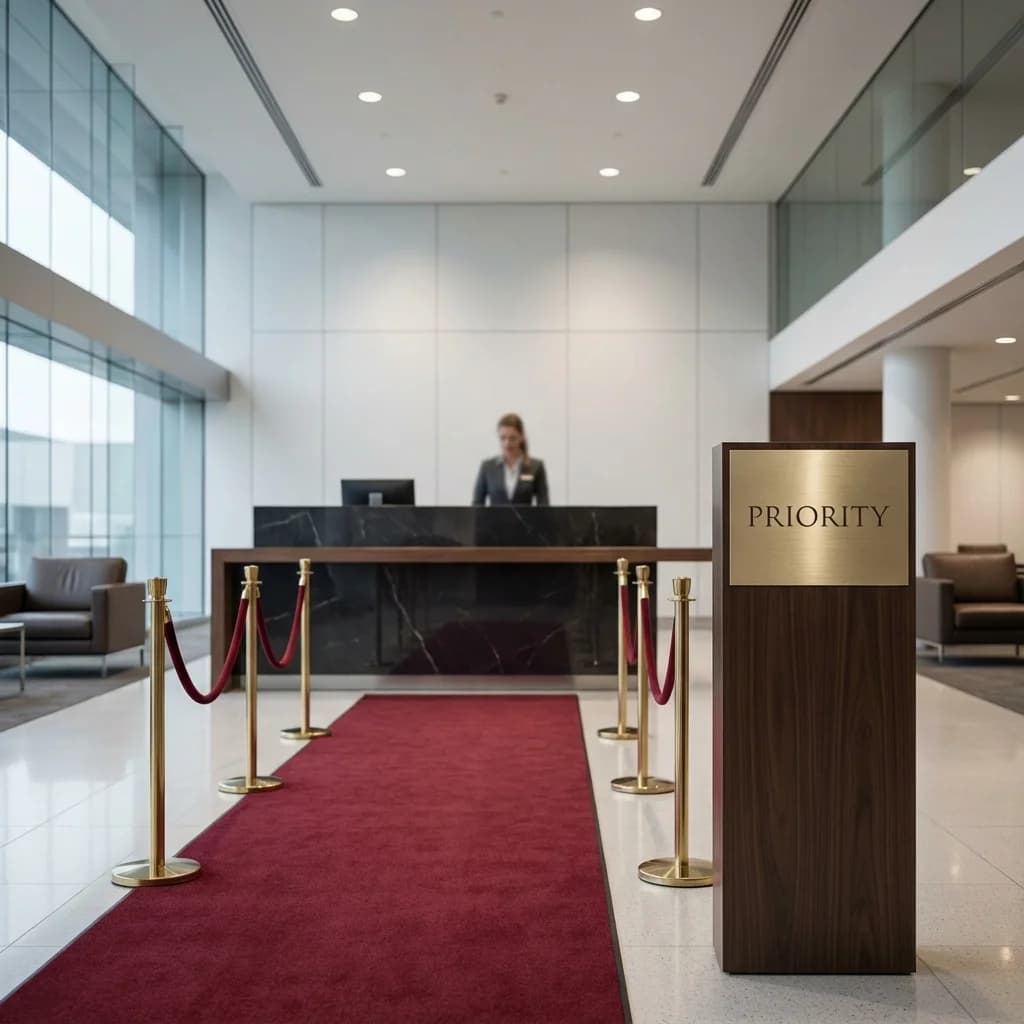
Priority Service
Skip the queues. Your ticket includes fast-track security, priority boarding, and premium baggage handling.
FAQs: Tri-Cities to Tokyo Business Class
Travel Guides
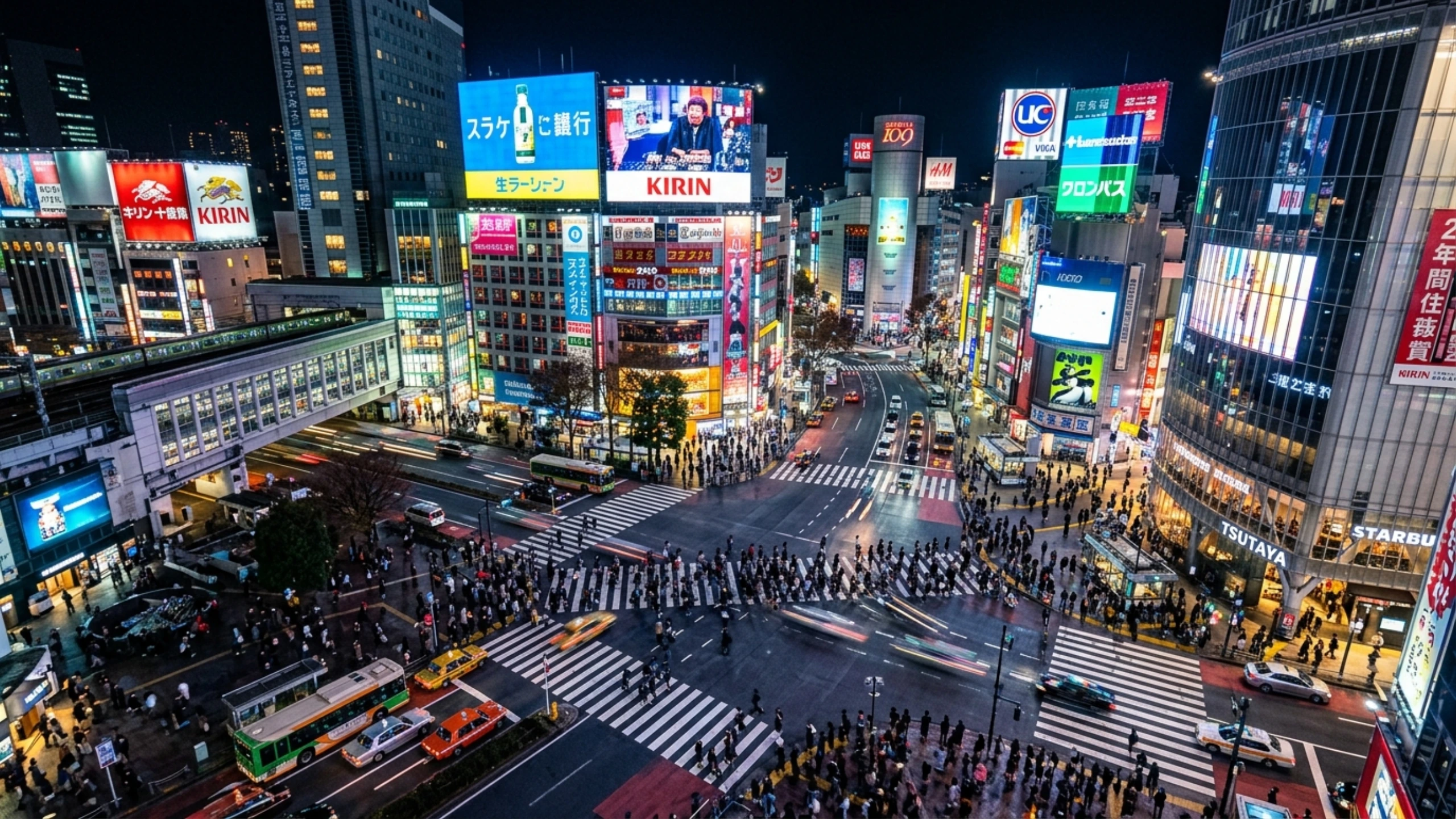
Insights for Tokyo Travelers

What Our Travelers Say
Client Feedback
Verified insights from travelers booking discounted international business class flights.
Ready to book Tri-Cities to Tokyo?
Our travel experts have access to unpublished fares. Save up to 40%.