Tips & Lifestyle16 min readairportsskytraxranking
Top 10 Best Airports in the World for 2026
The 2026 Skytrax World Airport Awards are in. Singapore Changi holds the crown, Asian hubs sweep seven of ten spots, and only one North American airport made the cut.
BC
BestBusinessClass Team
August 11, 2026
Share
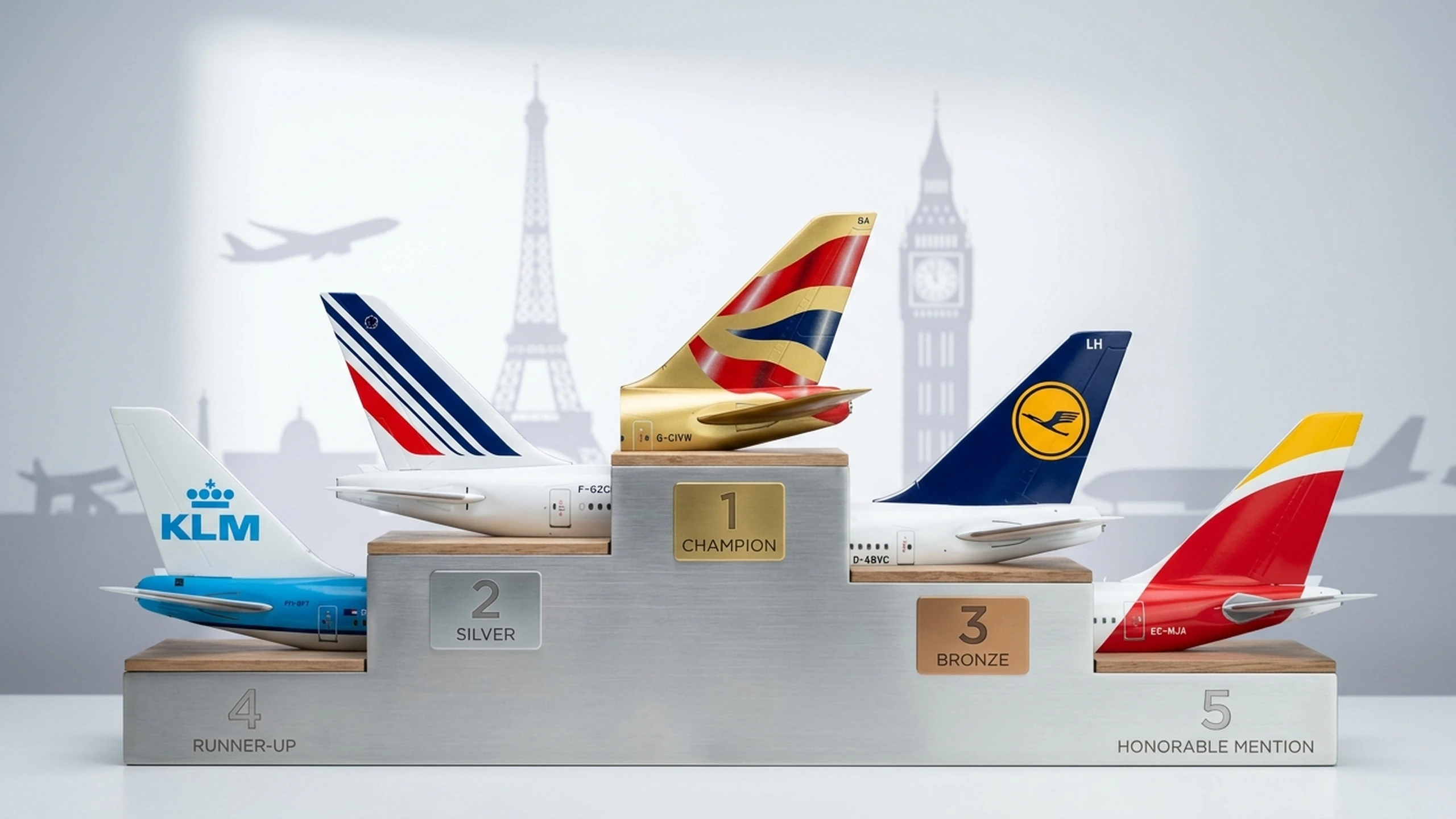
The 2026 Skytrax top 10 at a glance
The 2026 Skytrax World Airport Awards are in. Singapore Changi holds the crown, Asian hubs sweep seven of ten spots, and only one North American airport made the cut.
The Skytrax World Airport Awards carry weight because they rely on actual passenger feedback gathered over nine brutal months. Researchers collect millions of surveys covering over 500 airports globally. They test everything from check-in queues to terminal cleanliness. The results dictate bragging rights for national carriers and airport authorities.
When an airport consistently ranks in the top ten, it changes the entire calculus of trip planning. Business travelers will intentionally route through a highly ranked hub simply to access a specific lounge or avoid a chaotic transfer process. If you have to spend five hours waiting for a connection, the difference between Terminal 4 at JFK and Terminal 3 at Changi is profound.
The 2026 awards confirmed what frequent flyers already knew. Asian hubs absolutely dominate the global aviation experience. They pour billions into infrastructure while Western airports struggle with outdated terminals and deferred maintenance. The results are stark.
| Rank | Airport | Region | Highlight |
|---|---|---|---|
| 1 | Singapore Changi | Asia | Jewel complex, Rain Vortex |
| 2 | Seoul Incheon | Asia | Most user-friendly design |
| 3 | Tokyo Haneda | Asia | 15 min from central Tokyo |
| 4 | Hong Kong International | Asia | Top transit hub |
| 5 | Tokyo Narita | Asia | Two Japanese airports in top 5 |
| 6 | Paris CDG | Europe | Biggest turnaround story |
| 7 | Rome Fiumicino | Europe | Best airport dining |
| 8 | Istanbul | Europe/Asia | Fastest climber |
| 9 | Munich | Europe | Most reliable |
| 10 | Vancouver | North America | Only NA entry |
7 of 10
Asian airports in the Skytrax top 10
1. Singapore Changi Airport
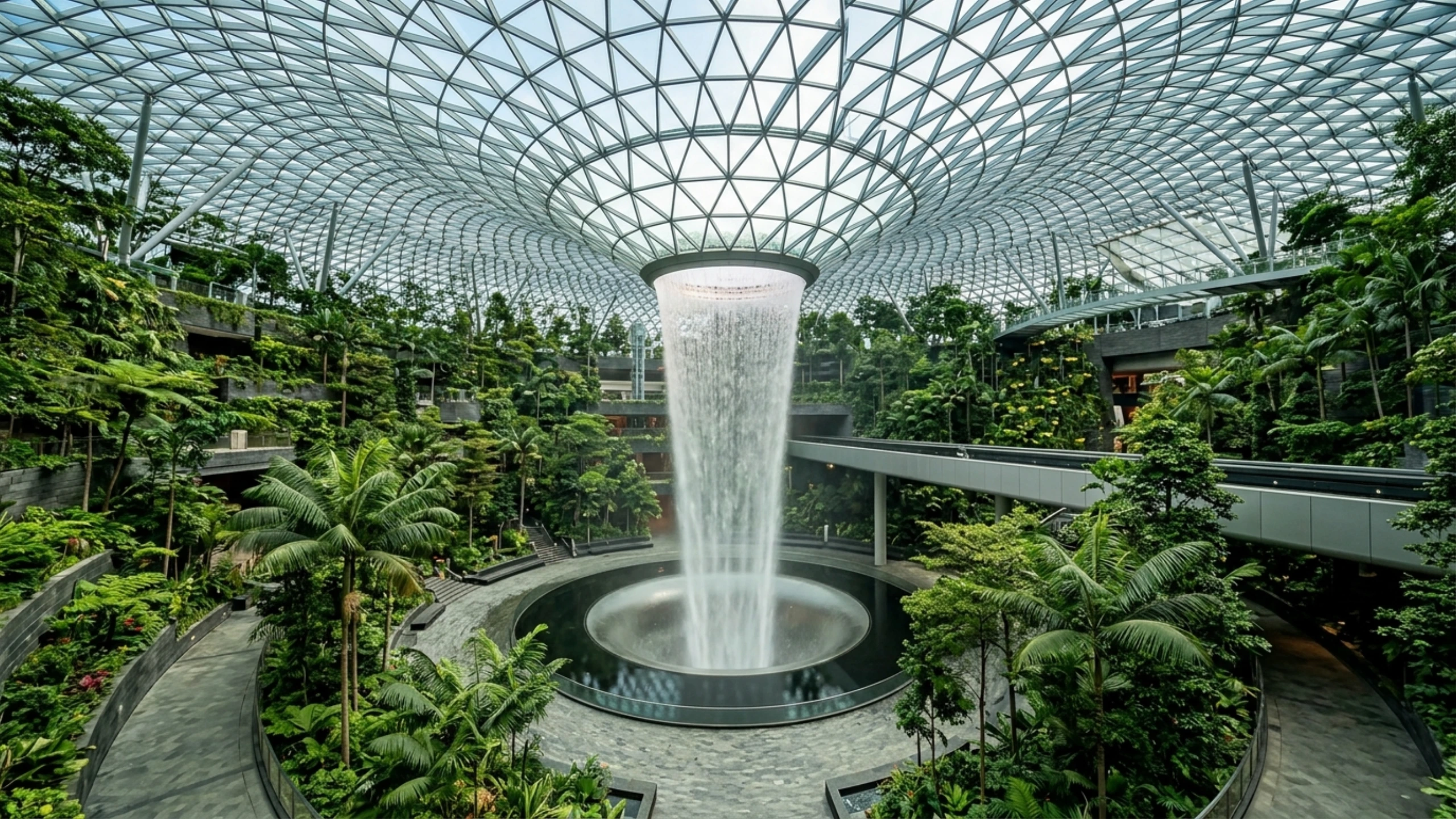
The competition for the top spot is almost unfair. Singapore Changi claimed number one again this year. It handles over 60 million passengers annually without breaking a sweat. The sheer scale of the Jewel complex changes expectations for what an airport can be. A 130-foot indoor waterfall, the Rain Vortex, drops through the center of a dense indoor forest. You will find extensive walking trails, premium retail, and dozens of restaurants.
The transit experience borders on flawless. Passengers connecting to Singapore or beyond find butterfly gardens, movie theaters, and free sleep zones. Showers are clean and readily available. Immigration queues move with brutal efficiency. Even during peak rush hours, the terminals feel strangely quiet. Signage is perfect. You never wonder where you need to go.
For premium travelers, Changi is a playground. The Singapore Airlines SilverKris lounges in Terminal 2 and Terminal 3 offer an astonishing level of luxury. The Private Room, reserved exclusively for first-class passengers, serves some of the best champagne you can legally consume on the ground. Transit passengers with long layovers can book rooms at the Aerotel in Terminal 1 or the YOTELAIR in Jewel. You can sleep in a real bed for a few hours.
Dining options far exceed typical airport fare. You can eat Michelin-starred street food at the hawker stalls or grab an expensive dry-aged steak. The airport acts as a destination itself. Locals regularly visit Jewel on weekends just to eat at Violet Oon or Shake Shack.
2. Seoul Incheon Airport
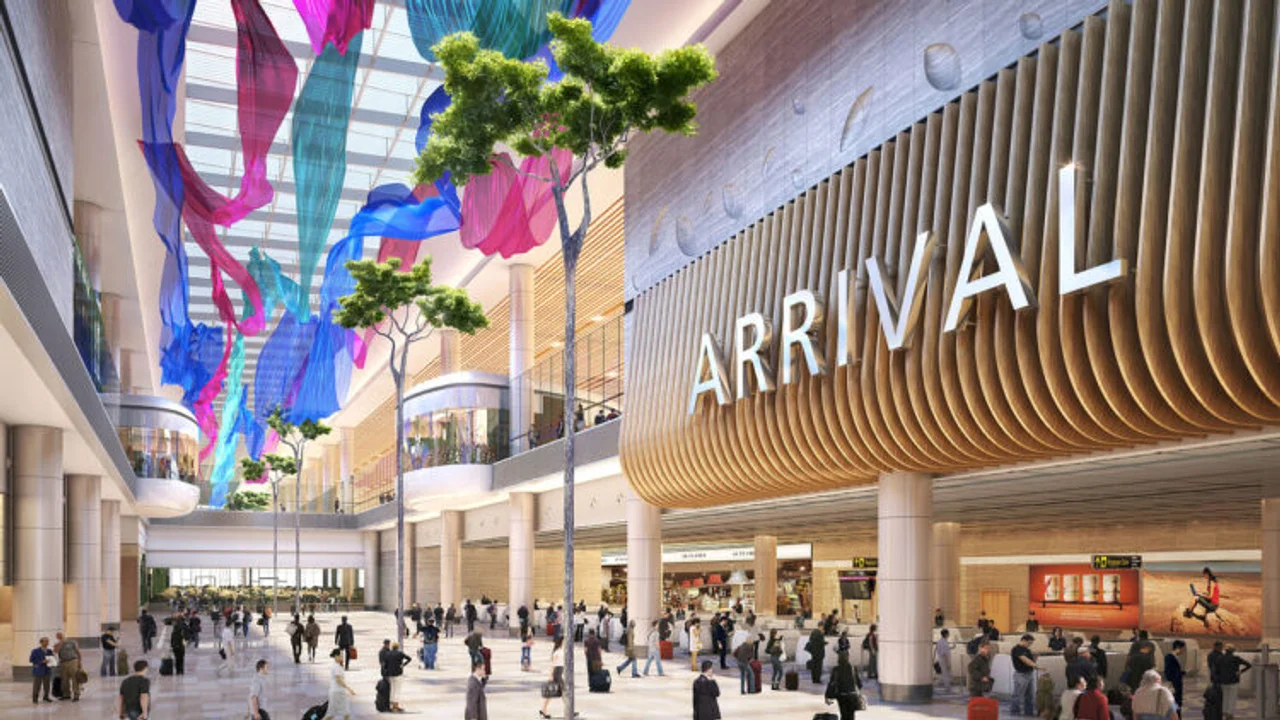
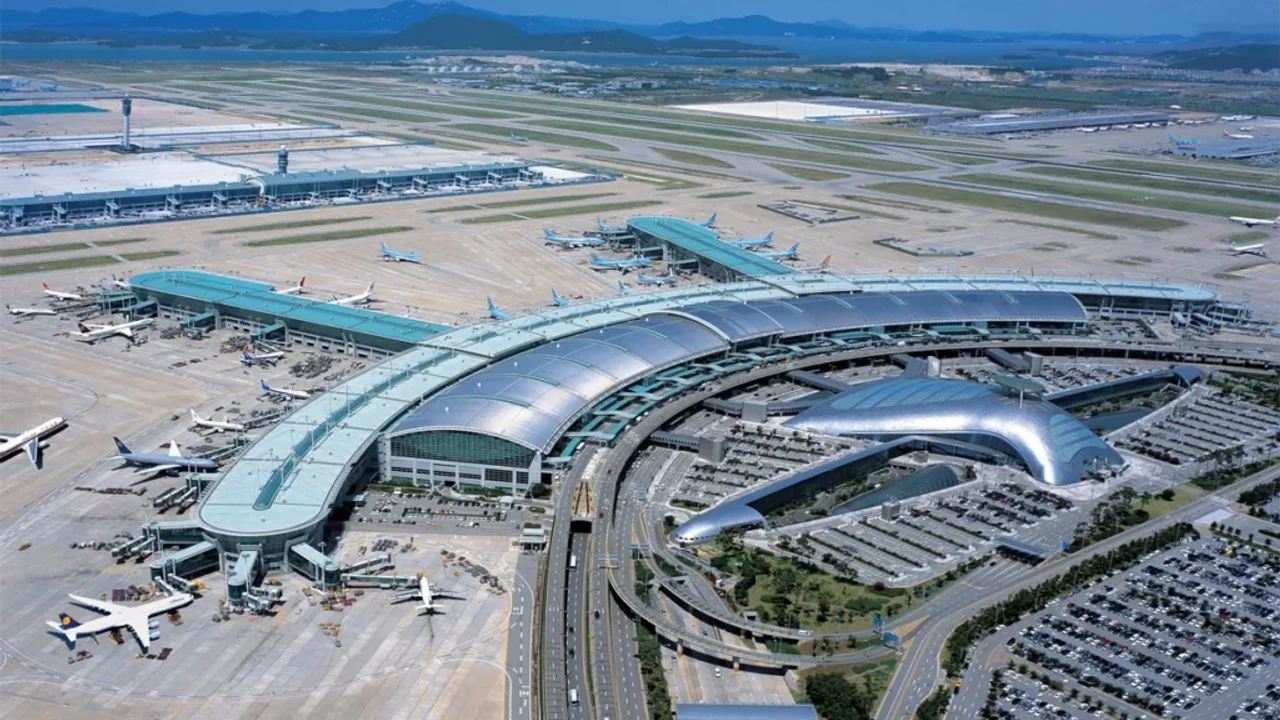
Seoul climbed to second place. Incheon is designed around basic passenger comfort rather than architectural ego. Terminal 2, completed a few years ago, serves as the fortress hub for Korean Air. The terminals are incredibly spacious, bright, and logically arranged. Walking distances are surprisingly short for an airport of this size. Transfers are completely reliable.
The place is immaculately clean. You will find free cultural zones, excellent Korean dining options, and quiet relaxation areas scattered throughout the concourses. Families have access to dedicated facilities that actually work. Incheon moves massive numbers of people without making them feel crowded.
Premium passengers transferring through ICN rely on the Korean Air Prestige Lounges. The food spreads lean heavily into high-quality local cuisine. If you have a layover exceeding six hours, you can book one of Incheon's free transit tours. They whisk you off to a nearby temple or traditional village. If you just need sleep, the Darakhyu transit hotels in both terminals offer compact, silent rooms by the hour. You can also visit Spa on Air in Terminal 1 for a traditional Korean jjimjilbang experience before your flight.
3. Tokyo Haneda Airport
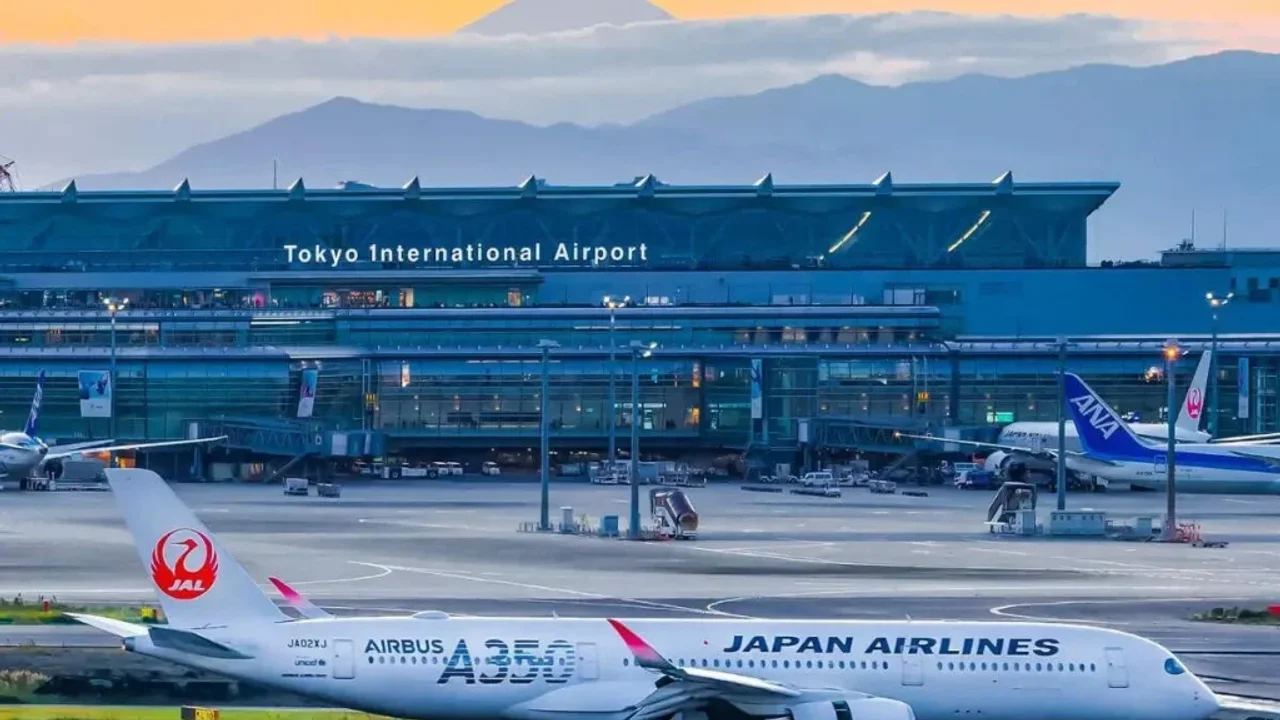
Haneda operates with terrifying precision. Flights run on time. The terminals shine. Its location gives it a massive advantage over Narita. Haneda sits close to central Tokyo. Business travelers save hours of transit time. The services are deeply dependable. Japanese efficiency is visible at every turn, from baggage claim to security screening.
Terminal 2 and Terminal 3 handle the bulk of international operations. ANA and JAL maintain their flagship domestic and international lounges here. The ANA Suite Lounge in Terminal 3 is legendary. They serve freshly made sushi and incredible bowls of udon.
The transfer process is incredibly smooth. If your flight lands at 5:00 PM, you can realistically clear immigration, grab your bags, board the Tokyo Monorail, and stand in Hamamatsucho Station by 6:00 PM. The newly opened Villa Fontaine Grand Haneda Airport hotel connects directly to Terminal 3. It features a massive rooftop hot spring bath with views of Mount Fuji on clear days. You can soak in geothermal water while watching 787s take off.
Pro Tip
Fly into Haneda instead of Narita if your final destination is downtown Tokyo. The monorail gets you to Hamamatsucho Station in exactly 13 minutes.
4. Hong Kong International Airport
Hong Kong moved up to fourth. It remains one of the strongest transit airports on earth. The layout is expansive but logical. Security and immigration lines process thousands of people with zero drama. High-end shopping and exceptional dining fill the departure halls.
The premium lounges here, particularly those operated by the hometown carrier Cathay Pacific, are consistently rated among the best anywhere. The Pier and The Wing set global standards for business class ground experiences. The noodle bar inside The Pier serves dan dan mien that competes with restaurants in the city. The teahouse offers dozens of loose-leaf blends in a perfectly silent room.
Connecting times are short. The automated people movers run every 90 seconds. If you actually leave the airport, the MTR Airport Express train hits Central Station on Hong Kong Island in exactly 24 minutes. The Regal Airport Hotel, physically connected to Terminal 1, frequently wins awards for the best airport hotel on the planet.
5. Tokyo Narita Airport
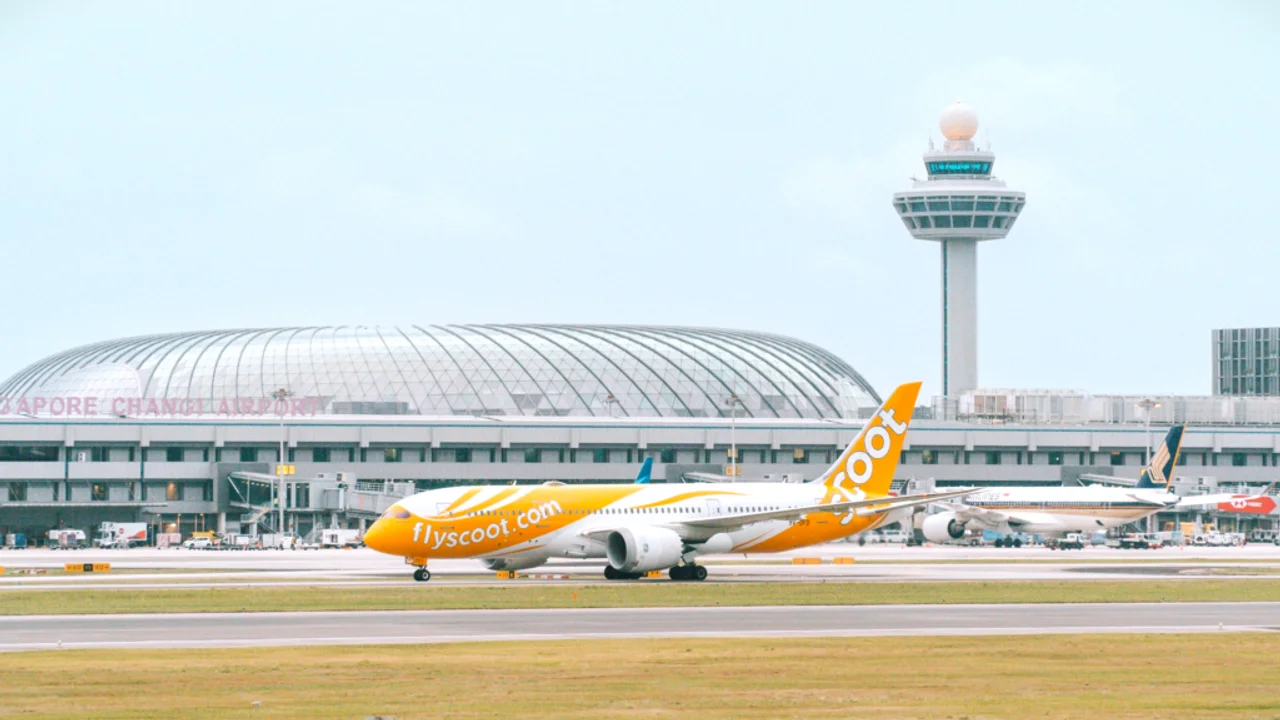
Japan placed two airports in the top five. Narita handles a massive volume of long-haul international traffic. It stays organized, clean, and entirely predictable. The retail options are fantastic. You can buy quality Japanese whiskey or electronics right up until your flight boards.
Narita gets criticized for being far from Tokyo, but the rail connections make up for the distance. The Keisei Skyliner reaches Ueno in 41 minutes. The JR Narita Express hits Tokyo Station in just under an hour. Terminal 1 and Terminal 2 divide the major airline alliances neatly.
The JAL Sakura Lounge and the ANA Lounges provide excellent food and phenomenal service. They handle the massive evening departure banks to the United States perfectly. For budget-conscious travelers or those facing strange flight times, the Nine Hours capsule hotel inside Terminal 2 provides a minimalist, deeply Japanese sleep solution.
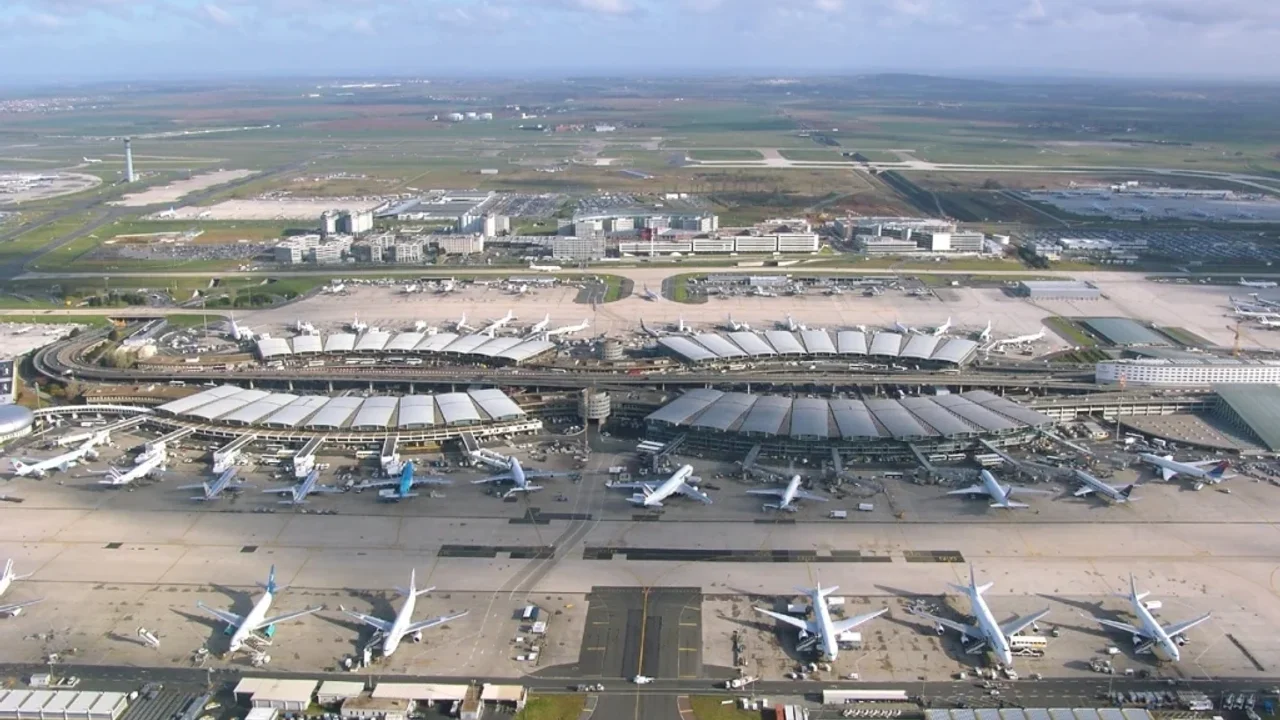
6. Paris Charles de Gaulle Airport
Charles de Gaulle executed one of the most impressive turnarounds in commercial aviation. Ten years ago, travelers actively avoided it. Today, it ranks sixth globally. The terminal upgrades worked. Passenger flow makes sense now. Paris CDG completely overhauled its food and beverage program.
Terminal 2E, split into Halls K, L, and M, forms the core of the Air France long-haul network. The Air France salons here are genuinely great. They feature Clarins spa treatment rooms where you can get a free 15-minute facial before your flight. Retail spaces feel like high-end Parisian department stores. You can grab fresh macarons at Laduree or excellent bread at Paul.
The CDGVAL automated shuttle connects the sprawling terminal complex efficiently. A massive TGV railway station sits directly under Terminal 2. You can land in Paris and board a high-speed train to Lyon or Brussels without stepping outside. The YOTELAIR in Terminal 2E provides a vital resting place for passengers with brutal layovers.
Pro Tip
If you have a long layover at CDG, seek out the newly renovated Terminal 2E lounges. The food quality easily beats what you will find in the main concourse.
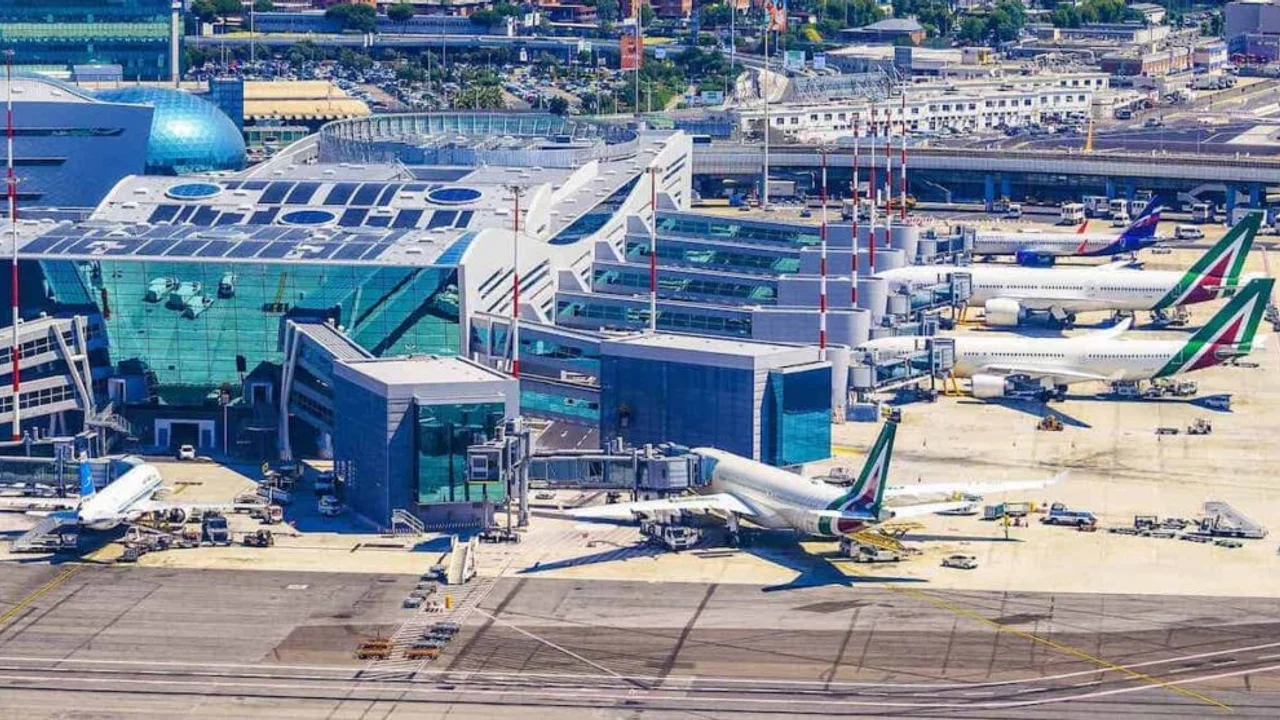
7. Rome Fiumicino Airport
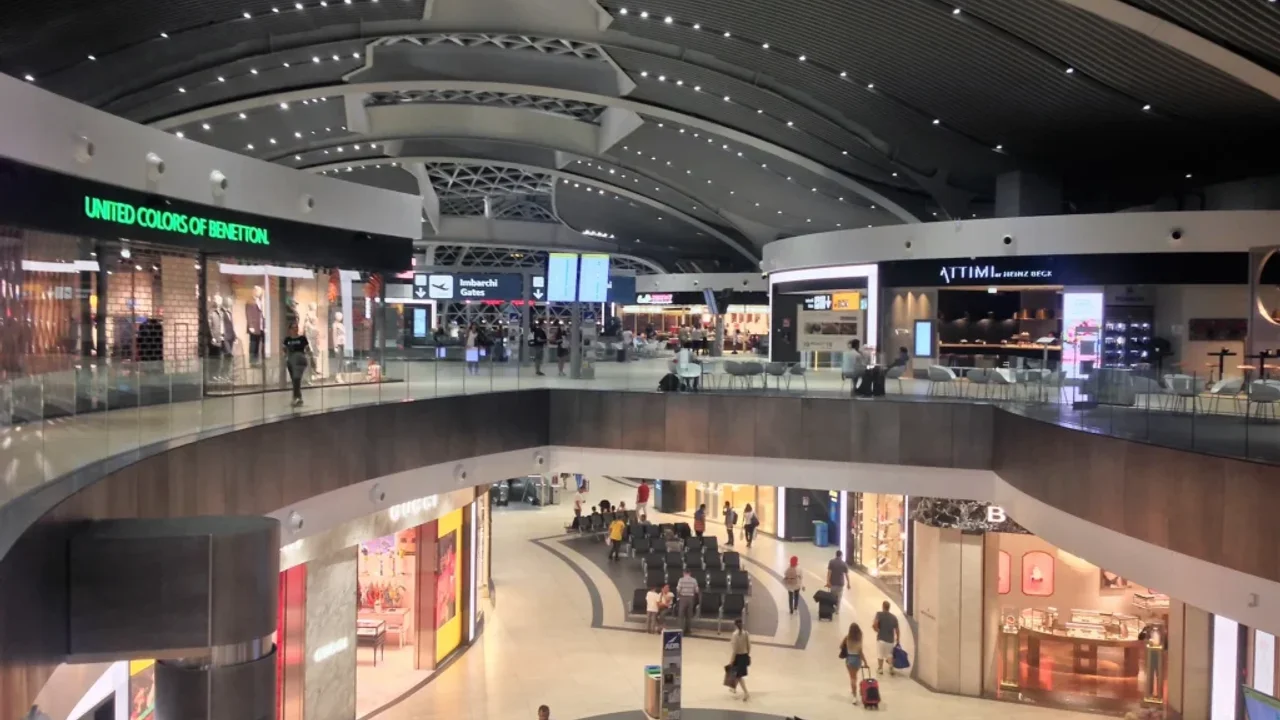
Rome quietly morphed into one of Europe's most pleasant transit points. The modernized terminals are bright and easy to navigate. Terminal 1 underwent massive renovations recently, emerging as a sleek, highly functional space.
Fiumicino leans hard into Italian food culture. The dining options here destroy the generic fast food found in most Western hubs. You can get an excellent espresso and a fresh pastry for exactly 2.50 euros. You can eat freshly made pasta or drink a perfect Aperol Spritz before your flight.
ITA Airways runs excellent lounges here. Independent options like the Plaza Premium Lounge consistently win awards for their food quality. Getting into the city takes exactly 32 minutes on the Leonardo Express high-speed train to Termini Station.
8. Istanbul Airport
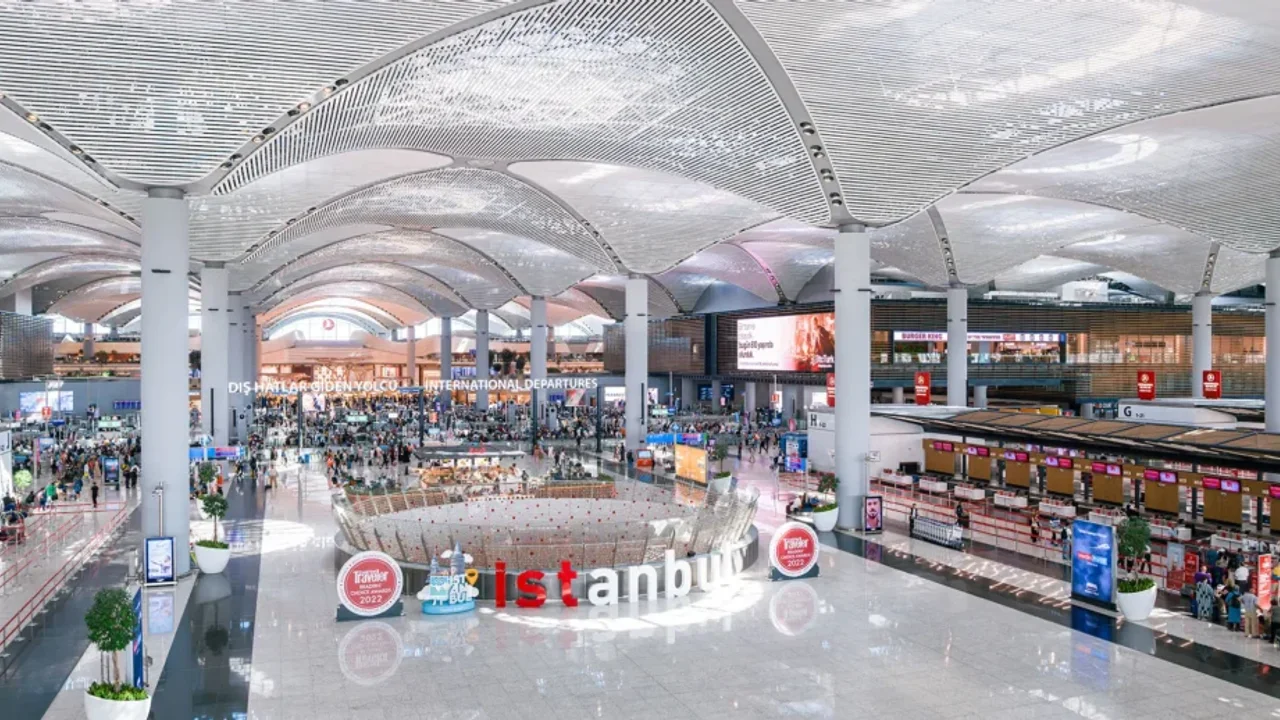
Istanbul surged into eighth place. It serves as a massive crossroads connecting Europe, Asia, Africa, and the Middle East. The airport boasts an annual capacity of 90 million passengers, and the physical footprint matches that insane volume.
The sheer scale of the new terminal is staggering. It looks brilliant. Natural light hits massive vaulted ceilings. The Turkish Airlines Business Lounge is enormous, featuring live cooking stations, a golf simulator, and private sleep suites. You can eat fresh pide or incredible Turkish delight at 3:00 AM.
The only drawback is the walking distance. You might walk a full mile from security to your gate. Wear comfortable shoes. Buggies zip around the terminal, but they are expensive if you do not have business class credentials. The YOTELair operates a massive facility right inside the transit zone.
9. Munich Airport
Frequent flyers consistently respect Munich. It is dependable, comfortable, and flawlessly efficient. Terminal 2, operated jointly by the airport and Lufthansa, runs like a fine watch. Transfers happen quickly. The layout is totally straightforward. You do not get lost here. It simply works.
The Lufthansa Senator Lounges are excellent. They offer quiet workspaces and fantastic German food. The airport actually has its own traditional Bavarian brewery right in the central plaza. You can drink an Airbrau beer made fifty feet from where you sit.
The Hilton Munich Airport sits right between Terminal 1 and Terminal 2. It is massive, quiet, and heavily soundproofed. Munich lacks the immense size of Frankfurt, making it the superior choice for entering Germany or transferring to a smaller European destination.
10. Vancouver International Airport
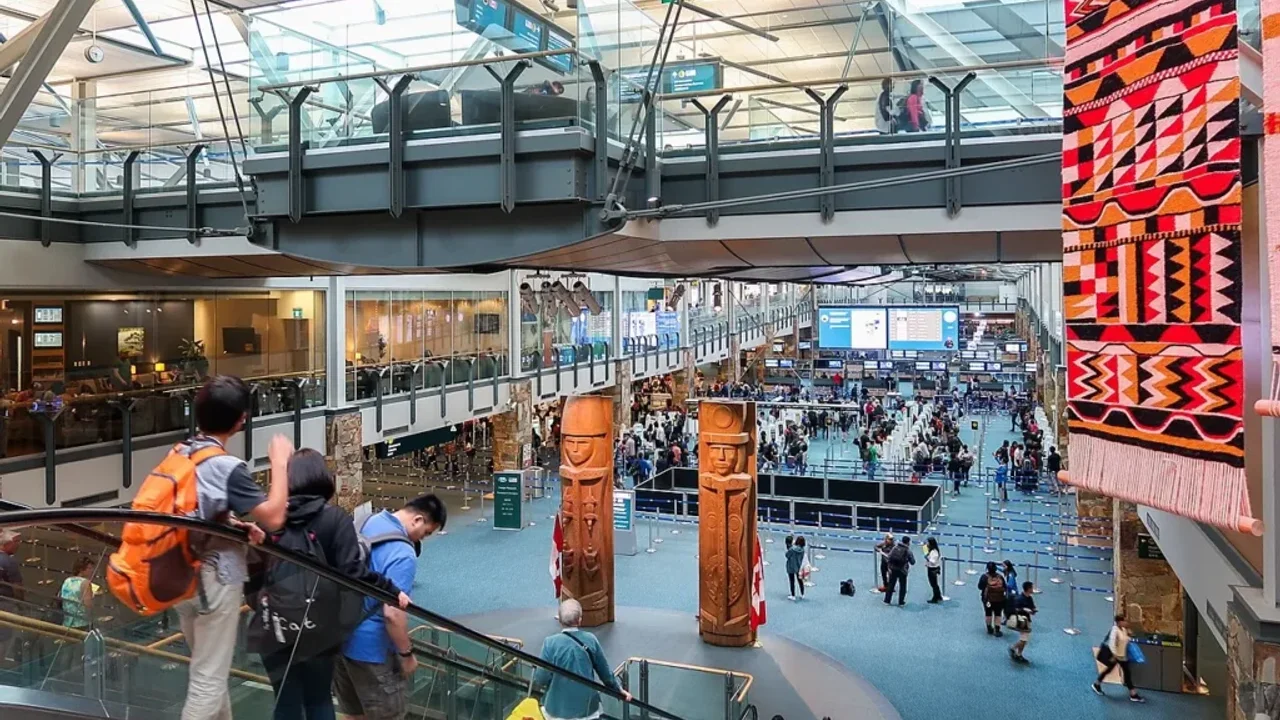
Vancouver is the sole North American entry. The atmosphere is completely calm. Natural light floods the concourses. You get clear views of the mountains and the water. It lacks the intense stress of major US gateways like JFK or LAX.
The airport incorporates massive Indigenous art installations. It feels rooted in its location. The Plaza Premium Lounges offer excellent hot food and decent showers. The Fairmont Vancouver Airport hotel physically connects to the international terminal. You can check your bags and take an elevator straight to your room.
The SkyTrain Canada Line connects the airport to downtown Vancouver in exactly 26 minutes.
Pro Tip
Vancouver's US pre-clearance facility can save you hours of waiting upon arrival in the States. Plan your connections through YVR instead of American hubs when flying back from Asia.
Why Asian airports remain undefeated
Seven out of ten. That is the final tally for Asian hubs. They dominate because they spend money on heavy infrastructure. They look at aviation master plans extending fifty years into the future. Western governments often bicker over minor funding bills while Asian aviation authorities drop five billion dollars on a single runway extension.
They integrate leisure and retail perfectly. You do not feel like a captive consumer. You feel like a guest in a massive, high-end mall that happens to park airplanes outside. The food is culturally relevant. You eat what the locals eat, prepared correctly.
They obsess over cleanliness. Bathroom attendants work continuously. Carpets look new. Windows gleam. Transferring planes takes minutes, not hours. The signage uses clear universal symbols. Western airports simply cannot compete with this level of continuous investment and operational discipline.
What business class travelers should look for
When booking a premium cabin ticket, the transit airport matters just as much as the seat. Look closely at the Minimum Connection Time (MCT). An airport like Munich or Incheon can handle a 45-minute connection flawlessly. Attempting a 45-minute connection at JFK or Heathrow invites disaster.
Pay attention to security processes. The best airports provide dedicated premium security lanes that actually move quickly. You want a transit hub that processes you back into the secure zone without forcing you to empty your entire bag or take off your shoes.
Consider the lounge access rules. Many top-tier lounges restrict access based on your specific route or frequent flyer status. A business class ticket on a regional flight might grant you entry to a mediocre contracted lounge rather than the airline's flagship space. Research the specific lounge your ticket allows. Book long layovers intentionally at airports like Changi or Hong Kong where the lounge serves restaurant-quality food and offers private sleeping suites.
Pro Tip
Always check the opening hours of the lounge you intend to visit. Many premium lounges at major Asian hubs shut down completely between 2:00 AM and 5:00 AM. Do not assume 24-hour access just because you hold a business class ticket.
The 2026 Skytrax results prove that the ground experience dictates the quality of the journey. A world-class flight begins hours before you board the plane. Booking a premium ticket through a dismal, broken-down terminal ruins the luxury you paid to experience. Plan your connections carefully.
Flying through one of these world-class airports? BestBusinessClass.com finds discounted business class fares to help you enjoy the journey from gate to gate.
Call (855) 815-4774This article was created with AI assistance and reviewed by our editorial team.
#airports#skytrax#ranking#best-of#2026
Enjoy our content? Make us a preferred source on Google.
Business class deals, delivered
Join savvy travelers who receive exclusive deals, route tips, and insider knowledge. Free, weekly, no spam.
Unsubscribe anytime. We respect your inbox.
By submitting, you agree to our Privacy Policy and Terms of Service.
Ready to book your business class flight?
Our specialists access unpublished fares and save you up to 40% on premium cabins.