Travel Tips10 min readupgradestipsstrategies
How to Get Upgraded to Business Class: 12 Strategies That Actually Work (2026)
Getting bumped to business class isn't about luck, or a nice outfit, or telling the gate agent it's your anniversary.
BC
BestBusinessClass Team
September 17, 2026
Share
Quick summary
Getting bumped to business class isn't about luck, or a nice outfit, or telling the gate agent it's your anniversary. It comes down to fare class, status, timing, and a handful of tools — upgrade auctions, same-day confirmations, companion certificates — that actually move the needle. This guide breaks down what really works in 2026, what's a waste of your energy, and why booking discounted business class through a consolidator like BestBusinessClass.com often beats the whole upgrade chase entirely.
I've spent more hours than I'd like to admit refreshing seat maps, checking upgrade lists on apps, and standing at gate counters trying to read an agent's face for good news. Most of that time was wasted. Not because upgrades don't happen — they do — but because I was chasing the wrong levers.
So let's talk about what actually gets you into seat 2A, and what's just folklore that travel blogs keep recycling because it sounds nice.
What "getting upgraded" actually means
An upgrade is a seat change processed by the airline's revenue management system, not a favor. When you buy an economy ticket, that fare code gets slotted into a bucket — and some buckets are eligible for automatic upgrade consideration, others aren't. If you're not in an upgrade-eligible bucket, no amount of charm changes that. The system doesn't see you smiling. It sees a fare code.
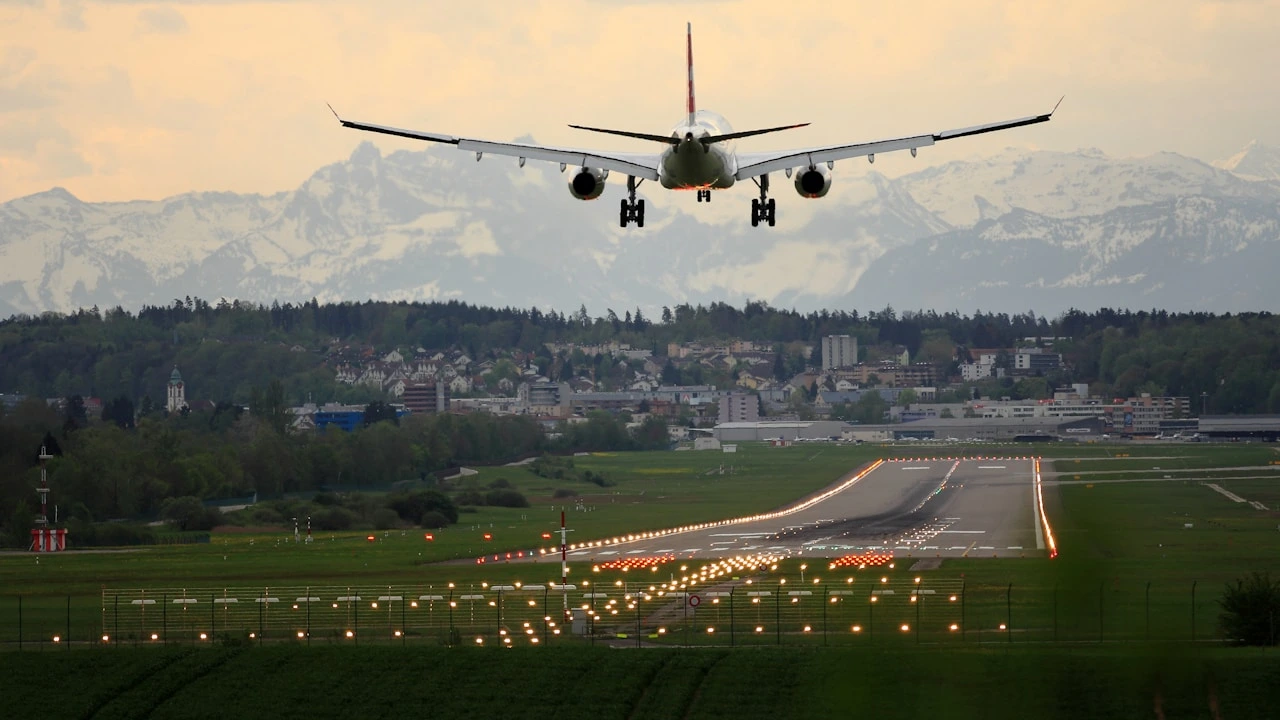
This matters because most of what people think "boosts their chances" — dressing sharp, being polite, mentioning it's their honeymoon — has zero connection to how the upgrade list is generated. The list is math. Fare class, status tier, check-in time, and how much unsold business class inventory exists on that specific flight, on that specific day.
Once you understand it's math, you can actually work the system instead of hoping it works for you.
The fare class trick almost nobody uses
Here's the one that separates people who get upgraded semi-regularly from people who never do: the fare class you buy matters more than your loyalty status.

Airlines sell dozens of economy fare codes on the same flight — Y, B, M, H, K, L, Q, and so on — and they're not identical. Y, B, and M fares are typically full-fare or close to it, and they're built to be upgrade-eligible. K, L, and Q fares are the cheap seats, the $312 nonstop specials you find on a flash sale, and airlines specifically exclude them from upgrade consideration because there's no margin left to protect.
What's the difference between Y, B, M fares and K, L, Q fares?
Y is typically full fare economy — flexible, changeable, and first in line for upgrade clearance. B and M sit just below that, still solidly upgrade-eligible on most legacy carriers. K, L, and Q are deep-discount leisure fares — the ones that show up when a search engine highlights "lowest price" — and on United, Delta, and American, they almost never clear for a complimentary upgrade no matter how much status you're carrying.
The catch: Y fares often cost close to what a discounted business class ticket runs anyway. I've seen Y-class economy on JFK–LHR price at $1,650 round-trip during peak weeks — awfully close to a $1,800 consolidator business fare on the same route. At that point you're not saving money hunting for an upgrade. You're just gambling with worse odds.
Pro Tip
Before you book, check the fare basis code on your ticket (it's usually a single letter buried in the confirmation email or the fare rules). If it starts with K, L, Q, T, or V, don't expect an upgrade — plan your trip assuming you'll be in economy the whole way.
Status still helps, but the list is more crowded than it used to be
Elite status — Gold, Platinum, whatever your airline calls the mid-to-top tiers — puts you on the automatic upgrade list. It doesn't guarantee a seat. On a transcon or a transatlantic route with eight elites competing for two open business seats, status just determines your position in line, not whether the door opens at all.
I fly United a lot, and I've watched 1K members get skipped over on a packed JFK–SFO flight because a Global Services member outranked them. Status is real, but it's a hierarchy, and there's always someone above you unless you're at the very top tier — which, for most people, requires 75,000+ butt-in-seat miles a year just to qualify.
1–2
Upgrades that typically clear per 10 flights, even with mid-tier elite status
That's the honest number. If you're flying 10 times a year with Gold or Platinum status, expect one or two of those flights to actually clear into business. The other eight, you're in economy, possibly with a slightly better seat near the front.
Bid upgrades: the one strategy most people get wrong
Airlines like SAS, Virgin Atlantic, Lufthansa, and increasingly United now run auction-style upgrade bidding through Plusgrade-powered systems. You get an email a few days before departure inviting you to bid cash for an open business seat, and the airline accepts the highest bids that clear a minimum threshold close to departure.

Most people either bid way too low (and lose) or way too high (and overpay for something they could've booked outright). The sweet spot, based on watching this play out across dozens of routes, is 30% to 40% of the full published fare difference between economy and business on that flight.
If business class is $4,200 and you paid $650 for economy, the fare gap is $3,550. Bidding somewhere between $1,065 and $1,420 tends to be competitive without being a giveaway. Bid the airline's suggested minimum and you'll usually lose to someone who went 10% higher.
Bid upgrade tactics
Bid on the specific flight segment with the most empty business class seats, not your whole itinerary. Long-haul overnight legs to Europe or Asia usually have more unsold business inventory 72 hours out than short domestic connectors — check seat maps before you bid.
Same-day confirmed upgrades: the underrated move
If you hold elite status on United or Delta, you can sometimes confirm a same-day upgrade using miles once you're within 24 hours of departure — no waiting on a list, no gambling on an auction. United calls it PlusPoints redemption; Delta runs something similar for Platinum and Diamond Medallion members.
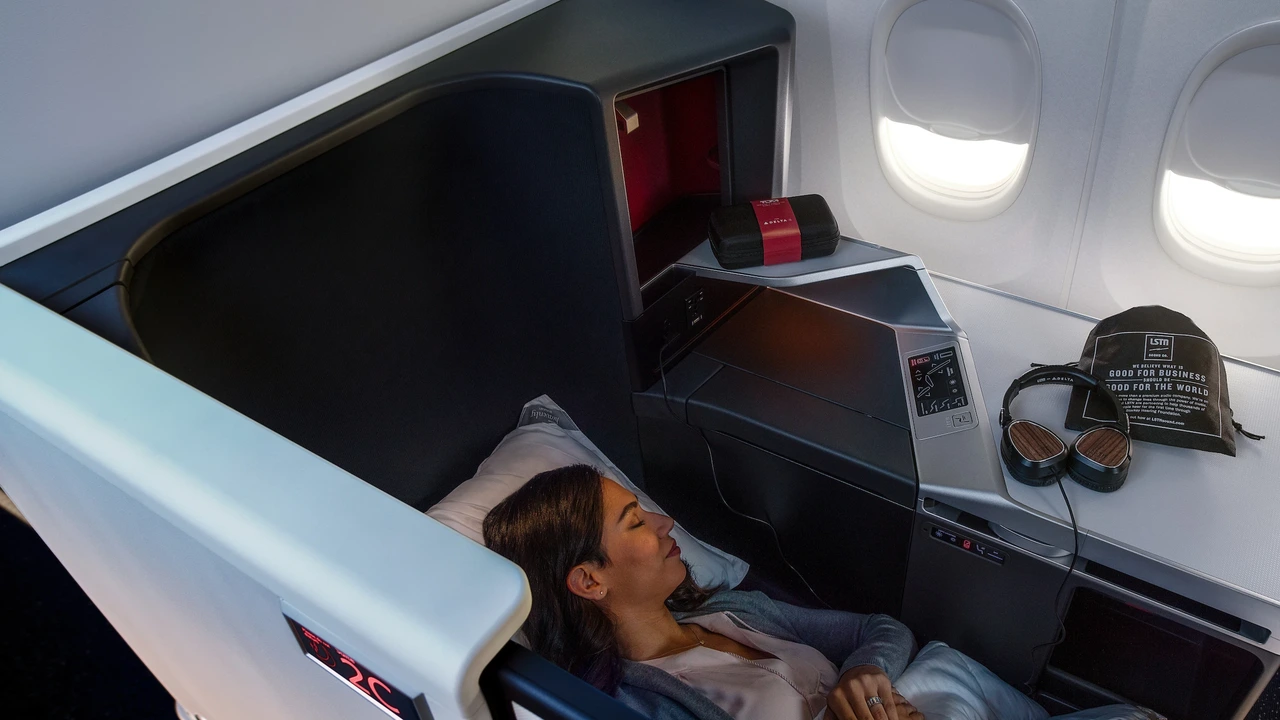
The catch is availability. This only works if business class inventory is actually open that day, which airlines can see and you generally can't until you call. I've had good luck calling the elite desk the morning of a flight and asking directly — not the gate agent, the phone line. Agents on the elite line have more visibility into what's about to open up than anyone standing at the podium.
This is a real answer to how to get upgraded to business class if you already have status and some miles sitting around, and it works far more reliably than waiting for an automatic clear.
Credit card companion certificates: an underused shortcut
This isn't technically an upgrade, but it accomplishes the same thing for half the cost. The Amex Platinum's partnership benefits and cards like the Delta Reserve issue an annual companion certificate — book one business class ticket, get a second one free or heavily discounted, often just taxes and fees.
The British Airways companion voucher tied to certain Amex cards is the standout example. Spend enough to trigger it, and you get a free companion ticket in whatever cabin you book, business class included. On a JFK–LHR run pricing at $4,800 round-trip in business, that voucher effectively cuts your two-ticket cost in half.
New York (JFK)London (LHR)
British Airways · Business Class
$2,200
roundtrip
It's not an "upgrade" in the classic sense — you're still buying business class outright — but it's one of the more reliable ways to fly two people up front for close to the price of one.
The stuff that doesn't actually work
I want to be straight with you here, because a lot of advice out there is wishful thinking dressed up as strategy.
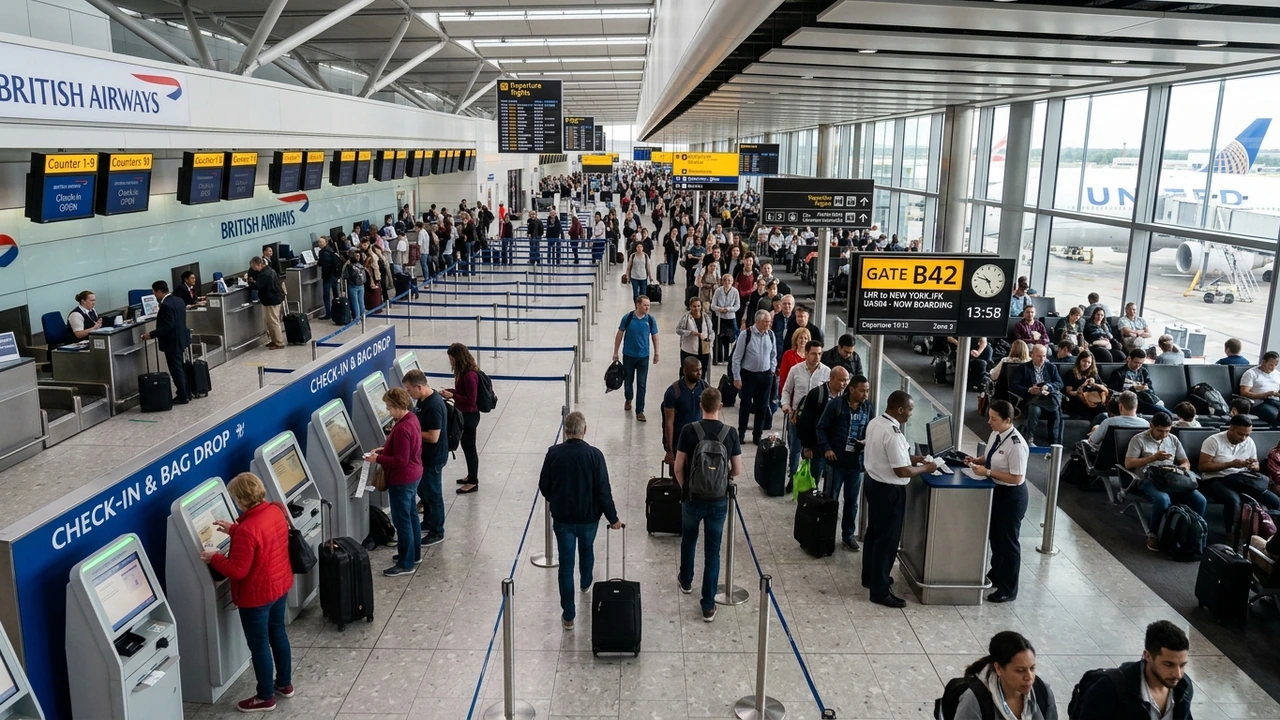
Dressing nicely doesn't hurt, but it doesn't help either. Gate agents aren't scanning the boarding line for who looks most business-class-appropriate. The upgrade list is generated by computer before they ever see your face.
Mentioning your birthday or honeymoon is a nice gesture that occasionally gets you a glass of champagne in economy. It has never, in my experience or anyone's I've talked to, changed a seat assignment.
Asking at check-in rarely does anything either, and here's the actual reason why.
Can you get upgraded by asking at check-in?
Almost never, and it's not because agents don't want to help you. Modern upgrade lists are automated and locked by fare class, status tier, and inventory well before check-in opens. A gate or counter agent typically can't override that system — they can see the list, but they can't manufacture a seat that isn't algorithmically available to you. The exception is rare operational situations, like an oversold economy cabin forcing an involuntary upgrade, which is out of your control entirely.
If an agent tells you "let me check," that's usually them looking at the same automated list you'd see on the app. There's no secret lever behind the counter.
The math: how often does this actually pay off?
Let's be blunt about frequency. If you fly ten times a year with decent elite status and book upgrade-eligible fares whenever you can, you'll probably see one or two confirmed upgrades clear. Maybe three in a great year with favorable routes and light loads.
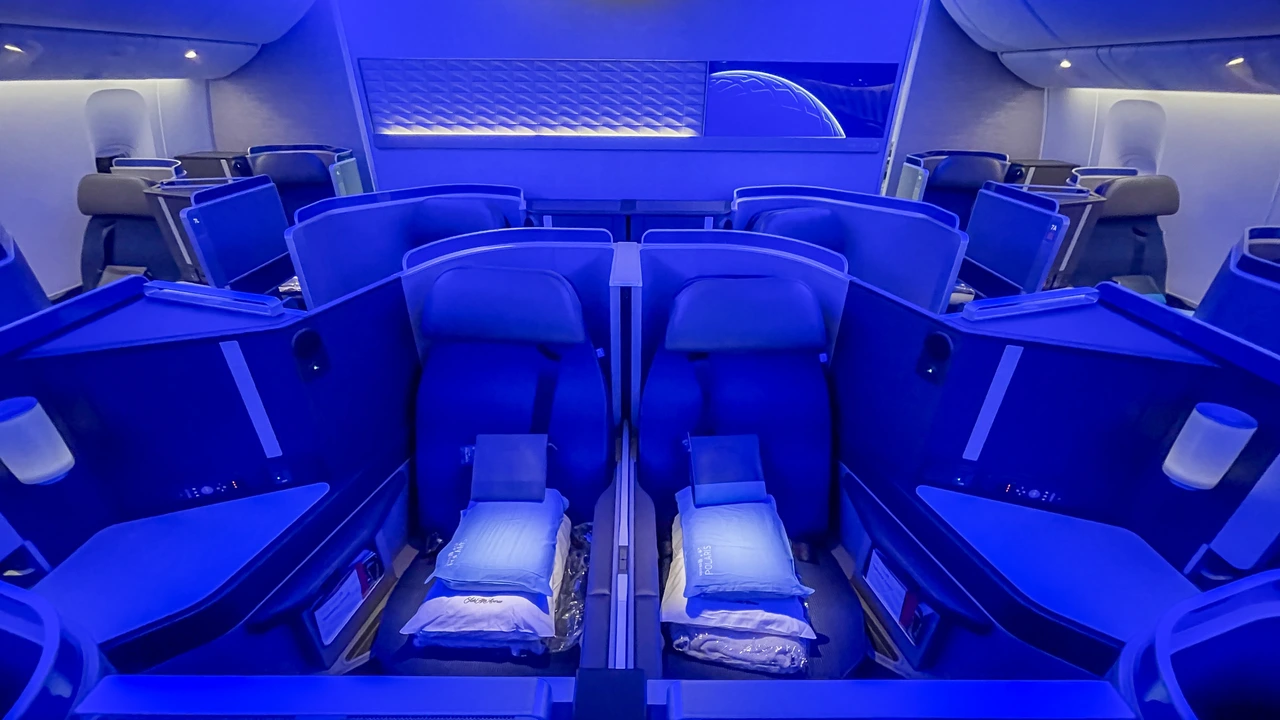
That's fine if your goal is occasional luck. It's a bad plan if you have a specific trip — a 14-hour flight to Tokyo, an anniversary trip to Milan — where you actually need the flat bed, not a maybe.
I've talked to travelers who booked a $600 economy fare specifically hoping to snag an upgrade on a long-haul, only to land in the same cramped seat they started in, having spent weeks obsessing over the upgrade list for nothing. Compare that to booking business class to Tokyo outright through a consolidator fare at 35–40% below the published price. The $1,200 gap between a hopeful economy ticket and a guaranteed discounted business fare buys certainty, and on a long-haul flight, certainty is worth a lot.
Why booking smart beats upgrade hunting
This is the part most upgrade guides skip, because it's less exciting than "12 secret tricks." But it's the most important thing I can tell you.
If you fly business class occasionally — a couple times a year, maybe for a big trip — chasing upgrades is a part-time hobby with a low success rate. Buying a discounted fare outright through a consolidator network is a guarantee. BestBusinessClass.com works with consolidator inventory that airlines release below published fares specifically to fill business cabins that would otherwise fly empty, and that's a very different math problem than betting on an automated list.
On a route like New York to London, a published British Airways business fare might run $6,200 round-trip. A consolidator fare on the same flight, same seat, same lie-flat suite, can land closer to $2,200–$2,600. That's not an upgrade gamble — that's just a smarter purchase.
If your question is genuinely how to get upgraded to business class on a specific trip that matters, my honest advice after years of doing this: don't rely on the upgrade list. Buy the seat. Save the upgrade hunting for routine trips where economy-with-a-chance is an acceptable outcome.
We've written more on this trade-off in our is business class worth it guide, and if you want the deeper mechanics of how airlines build their upgrade priority lists, our upgrade guide breaks down status tiers airline by airline. There's also a longer piece on upgrade secrets if you want to go further down this hole.
For what it's worth, I still play the upgrade game on routes where I already hold status and the fare class lines up. It's fun when it clears. But I stopped building trips around the hope of it years ago, and I've flown a lot more comfortably since.
If you want to skip the guesswork entirely, browse current deals on BestBusinessClass.com, or call the desk directly — they can usually find inventory that doesn't show up on a normal search.
Call (855) 815-4774 for discounted business class fares
Call NowThis article was created with AI assistance and reviewed by our editorial team.
#upgrades#tips#strategies#frequent-flyer#status
Enjoy our content? Make us a preferred source on Google.
Business class deals, delivered
Join savvy travelers who receive exclusive deals, route tips, and insider knowledge. Free, weekly, no spam.
Unsubscribe anytime. We respect your inbox.
By submitting, you agree to our Privacy Policy and Terms of Service.
Ready to book your business class flight?
Our specialists access unpublished fares and save you up to 40% on premium cabins.