Travel Tips10 min readbuyer-guideworth-itvalue
Is Business Class Worth It? A Brutally Honest Cost-Benefit Analysis (2026)
Business class is worth it on flights over 8 hours, on red-eyes before a big meeting, and any time you're booking through a consolidator like BestBusinessClass. com where the markup over economy is 2.
BC
BestBusinessClass Team
September 10, 2026
Share
Quick summary
Business class is worth it on flights over 8 hours, on red-eyes before a big meeting, and any time you're booking through a consolidator like BestBusinessClass.com where the markup over economy is 2.5-4x instead of the published 6-8x. It's a much tougher case on flights under 4 hours or on planes still running old angled-flat seats. The math changes entirely depending on what you actually pay — which is the part most "is business class worth it" articles conveniently skip.
I've flown roughly 300 business class segments at this point, and I still get asked the same question at every dinner party: is business class worth it, or is it just an expensive way to feel fancy for a few hours? The honest answer is that it depends — on the route, the actual seat you're getting, and, most of all, what you paid for it. Anyone who tells you it's always worth it is selling something. Anyone who says it's never worth it hasn't flown a 14-hour overnight to Singapore in a middle economy seat with a broken recline.
Let's get specific, because "it depends" isn't useful without numbers attached to it.
What does "worth it" actually mean here?
When people ask if business class is worth it, they're usually asking one of two different questions without realizing it. The first is a comfort question: will I be more rested, more comfortable, less miserable? The second is a value question: does the price difference match the benefit I'm getting?

Those are separate calculations. A lie-flat seat on a 13-hour flight is almost always a comfort win. Whether it's a value win depends entirely on whether you paid $1,900 or $9,000 for it. This is the piece that gets lost — most of the "is it worth it" debates online compare full published fares to economy, when almost nobody serious about travel actually pays the published fare anymore.
Is business class worth it for short flights?
Generally, no — and this is where I part ways with a lot of glossy travel content that treats every cabin upgrade as a win. Under 3 hours, you barely have time to eat the meal, let alone sleep. I've flown business class JFK-to-Boston on equipment where the "business class experience" was a slightly wider seat and a can of Bloody Mary mix. That's not worth 3x the fare by any measure.
Under 6 hours the case gets more debatable, not dead. You'll get a real meal, a glass of decent wine, priority boarding, and a seat with more width — but on domestic narrow-body routes flying an old 2-2 or 2-3 configuration, you're not getting a transformative experience. You're getting economy plus, with a fancier plate.
The domestic first class trap
On U.S. domestic routes, "first class" is often just a recliner with extra legroom — not lie-flat, not international business class. Don't confuse the two when you're doing this math. A $400 domestic first class upgrade and a $2,200 international business class fare are answering completely different questions.
When business class is absolutely worth it
There's a real, physiological line at around 8 hours where a lie-flat seat stops being a luxury and starts being a functional tool. I've done the 8-hour-plus red-eye in economy more times than I'd like to admit, and I've done it lie-flat. The difference isn't "nicer." It's the difference between landing and being useful, versus landing and needing four hours and two coffees before you can form sentences.
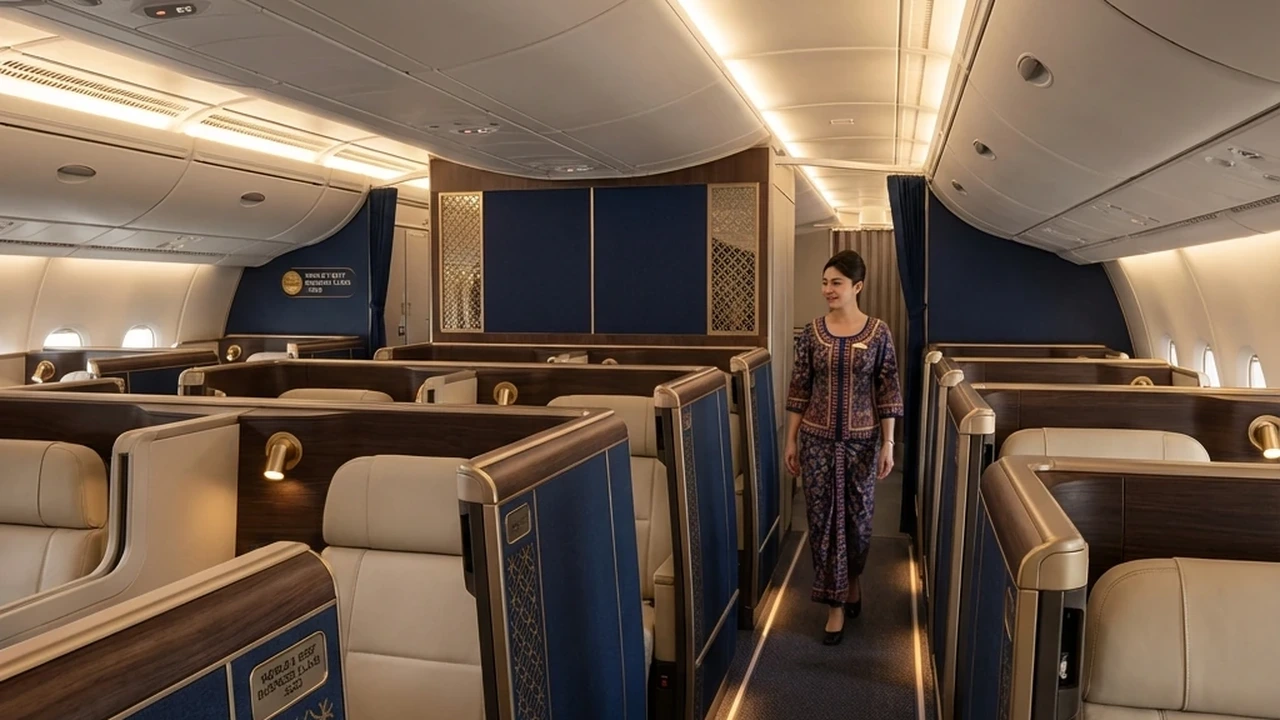
Flights over 8 hours. This is the sweet spot. You get a real lie-flat seat on most modern widebody aircraft, enough time to actually sleep through a full cycle, and you land functional. JFK to London, at just over 7 hours, sits right on the edge — but most of the transatlantic and transcontinental-plus routes clear this bar easily.
Ultra-long-haul, 12+ hours. Singapore to New York (18+ hours), Perth to London, Auckland to New York — on these routes I'd call business class close to medically necessary if you have anything to do on either end. Sitting upright in economy for 17 hours is genuinely rough on your body in ways that go beyond comfort.
Red-eyes with meetings the next morning. This is the case business travelers get right and leisure travelers underrate. If you land at 6 a.m. and you're in a boardroom by 10, the difference between a flat bed and a reclined economy seat isn't about pampering yourself. It's about whether you're sharp enough to do your job.
Honeymoons, anniversaries, big-occasion trips. I'll admit this one is more emotional than mathematical, and I'm fine with that. If it's a once-in-a-lifetime trip, the champagne on boarding and the extra legroom are part of the memory, not just the transport. That's a legitimate reason, even if it doesn't show up on a spreadsheet.
Pro Tip
If you're on the fence, book based on the return leg, not the outbound. Arriving home rested after a long trip matters more than most people expect — you walk straight back into work or normal life instead of losing a day to jet lag recovery.
When it's genuinely not worth it
I'll call this out because most airline-adjacent content won't: there are routes and situations where business class is a bad deal even at a discount.
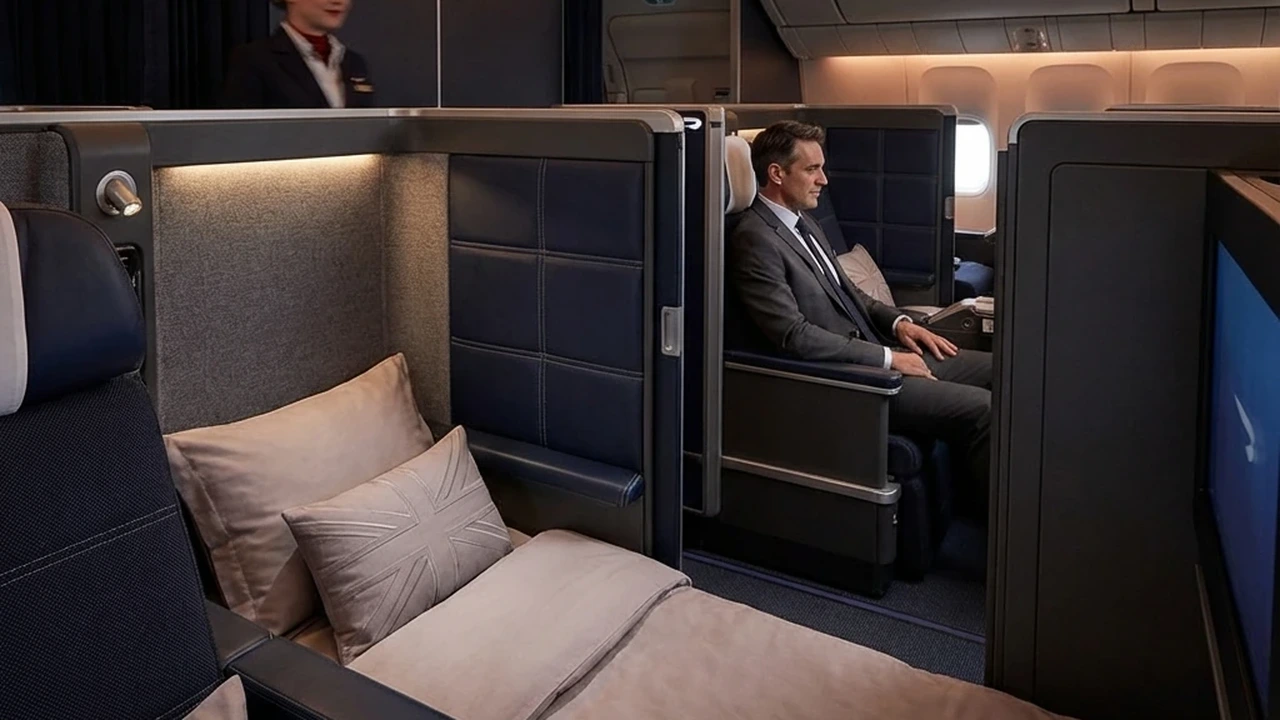
- Flights under 3 hours. You're paying for a wider seat and a rushed meal service. Skip it unless the fare difference is trivial.
- 10+ hour flights with only angled-flat seats. Some older aircraft — certain older 777s and A340s still in rotation on secondary routes — have angled-flat "business" seats that don't fully recline. You're paying full lie-flat prices for a seat that's genuinely worse for sleep than a modern premium economy seat on some carriers. Always check the seat map and aircraft type before you assume "business class" means "lie-flat."
- Routes running an old 2-2-2 configuration where every passenger has to climb over someone to get to the aisle. You're paying for a bigger seat, not a private, transformative experience. It's fine. It's just not what people picture when they imagine business class.
I flew one of these angled-flat products on a red-eye to South America a few years back, paid close to business class prices, and slept maybe 90 minutes total. Compare that to a proper lie-flat product on a similar route where I landed and went straight into a full day of meetings. Same price bracket, wildly different outcome. The seat type matters more than the cabin name.
For a full breakdown of what you're actually getting cabin-by-cabin, our what's included guide walks through the differences between angled-flat, herringbone, and true suites — worth reading before you book anything on an unfamiliar aircraft type.
The math that actually changes the answer
Here's the part almost nobody talks about honestly: published business class fares and consolidator fares are not the same conversation.
5-8x
Typical markup of published business class over economy
At full published fares, business class often runs 5 to 8 times the price of economy on international routes. At that multiple, the "is it worth it" question gets genuinely hard to justify for most people, most of the time — even on long flights.
2.5-4x
Typical markup through consolidator fares
But that's not what BestBusinessClass.com clients are usually paying. Through consolidator networks — the same wholesale ticketing channels tour operators and corporate travel agencies have used for decades — business class fares typically run 2.5 to 4 times economy, not 5 to 8 times. That's a completely different equation.
Let's put real numbers on it, because vague multiples don't mean much without a route attached.
New York (JFK)London (LHR)
British Airways · Business Class
$1,800
roundtrip
Take JFK to London. Economy on this route runs around $600 round-trip in normal season. Published business class fares on British Airways or American can run as high as $5,000 round-trip — that's over 8x economy, and honestly, hard to justify for most travelers even on a 7-hour flight.
But at consolidator rates, that same business class seat, same aircraft, same route, often comes in around $1,800 round-trip. That's 3x economy. At 3x, on a 7-hour overnight flight where you'll actually sleep, eat a real meal, and skip the customs-line shuffle with priority arrival — that starts to look like an easy yes. Same seat. Same wine list. Completely different verdict, just because of where you bought the ticket.
This is the entire reason a service like BestBusinessClass.com exists — not to sell you on business class being magic, but to get the price down to where the "is it worth it" math actually works in your favor. We've got a deeper breakdown of this exact route in our New York to London route guide if you want specific carrier-by-carrier pricing.
How BestBusinessClass.com finds these fares
Consolidator fares come from bulk ticketing agreements airlines use to move inventory without discounting published prices publicly. BestBusinessClass.com has access to these rates across most major carriers, which is how a $5,000 published fare turns into an $1,800 actual price for the same seat. It's not a loyalty hack or a mistake fare — it's just a different distribution channel most travelers never see.
Is business class worth it if you're paying full price?
Honestly, less often than the industry wants you to believe. At full published fares, you're usually better off asking whether first class on a shorter route, or a discounted business fare on a different carrier, gets you more for similar money. Full-fare business class only really clears the bar on ultra-long-haul flights or when someone else (your company) is paying.
This is where I'd point you toward our how to find cheap business class guide — because the honest version of "is business class worth it" is almost always "is business class worth it at the price you can actually get it for," and most people never check what that price could be.
The productivity argument, for business travelers specifically
If you travel for work, this section matters more than the honeymoon-and-anniversary stuff.
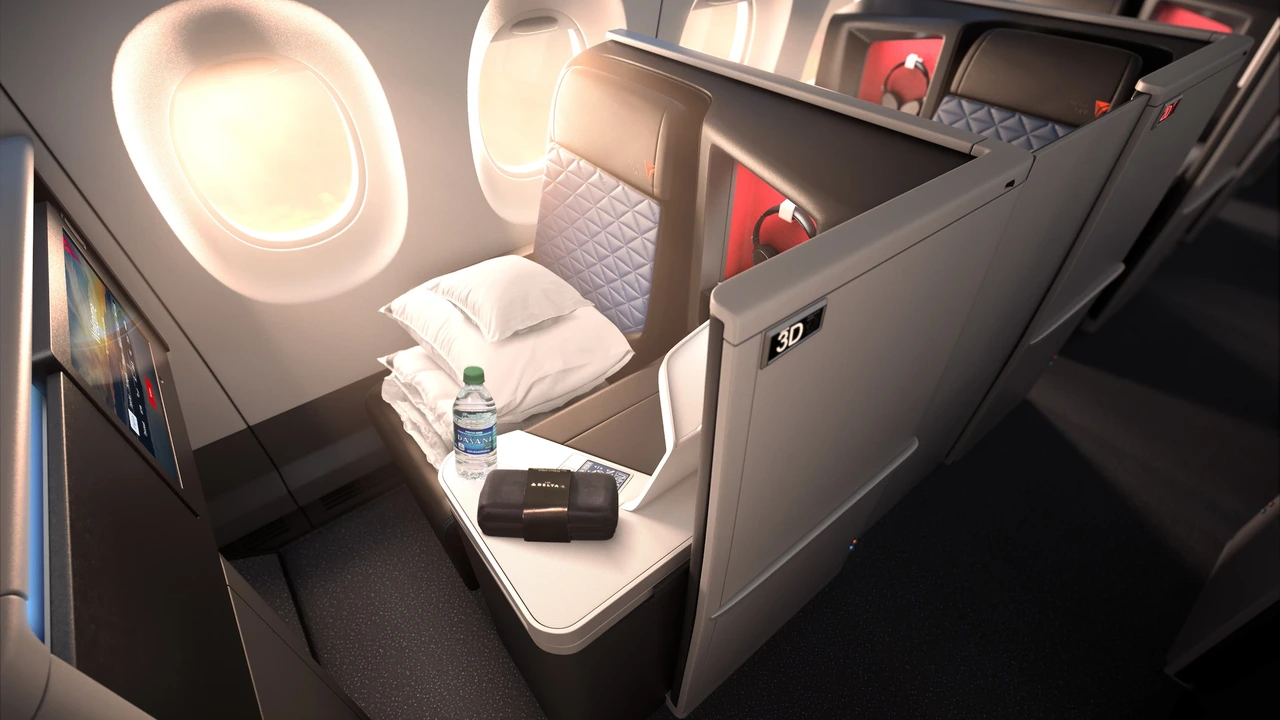
I've tracked this informally over years of travel: on a long-haul flight where I can actually sleep or work properly, I land and go straight into meetings. On the same route in economy, I need a recovery day — sometimes a full one — before I'm operating at a normal level. If your time is worth anything close to a typical consulting or executive day rate, the fare difference pays for itself in avoided downtime alone.
This isn't true for every traveler. If you're not doing anything time-sensitive on arrival, a recovery day costs you nothing but a slow morning. But if you land and you're expected to close a deal, run a workshop, or just think clearly, the math tilts hard toward business class being worth it — even before you factor in comfort.
Pro Tip
If your company caps travel budgets by cabin class rather than by route length, push back with data on flight duration. An 8-hour red-eye before a morning meeting is a completely different ask than a 2-hour hop — most travel policies haven't caught up to that distinction.
Business class vs. first class: does the upgrade math change again?
Quickly, because it's a common follow-up question: no, first class doesn't automatically make the "is it worth it" case stronger. On most airlines, first class is now reserved for a handful of ultra-long-haul routes (think Emirates, Singapore, Lufthansa's newer first) and the price jump over business is often steeper than the jump from economy to business, for a smaller incremental comfort gain. We go through this in detail in our business class vs first class guide, but the short version is: business class is almost always the better value seat, first class is closer to a splurge for its own sake.
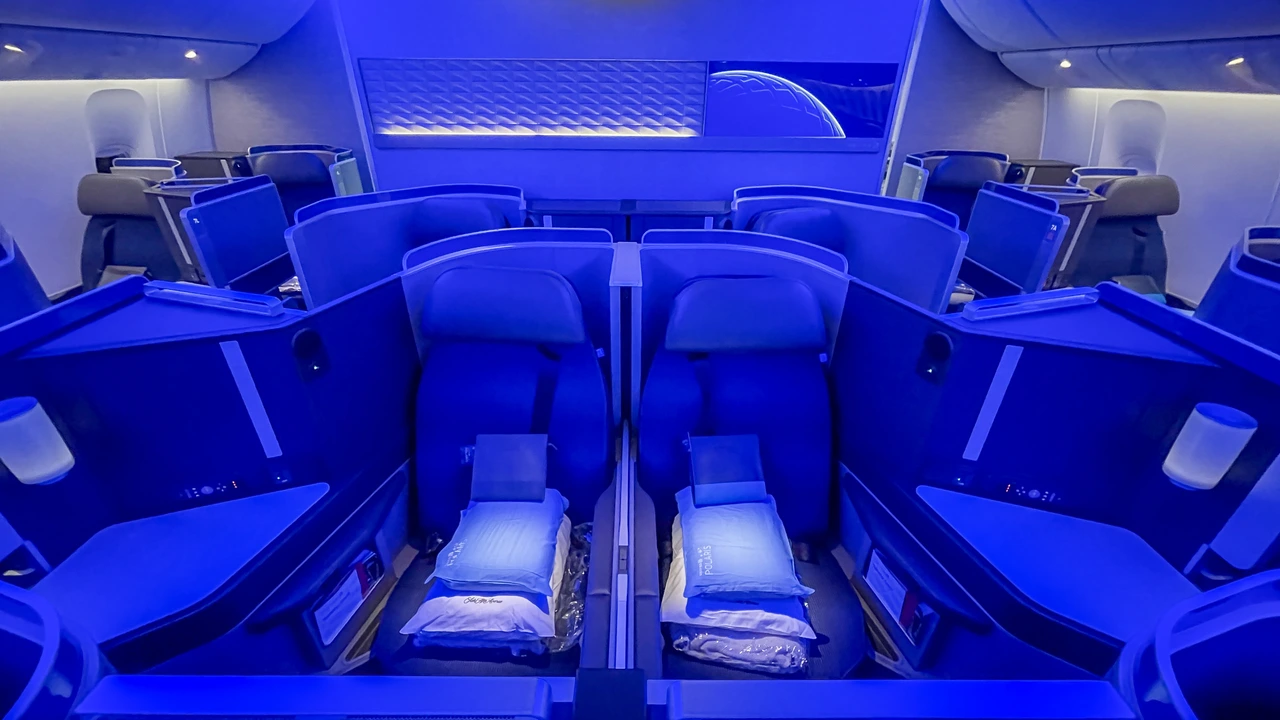
So, is business class worth it?
If I had to boil down 300 flights into one rule, it's this: match the cabin to the clock, not the occasion. An 8-hour-plus flight, a red-eye before something important, or an ultra-long-haul segment — yes, especially at consolidator pricing where you're looking at 2.5-4x economy instead of 5-8x. A 3-hour hop or a flight where the "business class" seat is really just a wider economy seat with a better meal — save your money, or spend it on the return leg of a longer trip instead.
The honest version of "is business class worth it" was never a yes-or-no question. It's a spreadsheet with three inputs: flight duration, seat type, and what you actually paid. Get those three right and the answer becomes obvious almost every time.
If you want the full framework laid out route by route, our is it worth it guide goes deeper into specific aircraft and carriers. But if you'd rather skip the spreadsheet entirely, that's what BestBusinessClass.com is for — you can browse current deals or just call and describe the trip.
Call (855) 815-4774 for discounted business class fares
Call NowThis article was created with AI assistance and reviewed by our editorial team.
#buyer-guide#worth-it#value#comparison#first-time
Enjoy our content? Make us a preferred source on Google.
Business class deals, delivered
Join savvy travelers who receive exclusive deals, route tips, and insider knowledge. Free, weekly, no spam.
Unsubscribe anytime. We respect your inbox.
By submitting, you agree to our Privacy Policy and Terms of Service.
Ready to book your business class flight?
Our specialists access unpublished fares and save you up to 40% on premium cabins.