Travel Tips11 min readbuyer-guidewhat-to-expectamenities
What's Actually Included in Business Class? The Complete 2026 Breakdown
Business class in 2026 includes a lie-flat seat (usually 76-82 inches long), lounge access before your flight, multi-course dining, a designer amenity kit, and priority service from check-in to…
BC
BestBusinessClass Team
September 8, 2026
Share
Quick summary
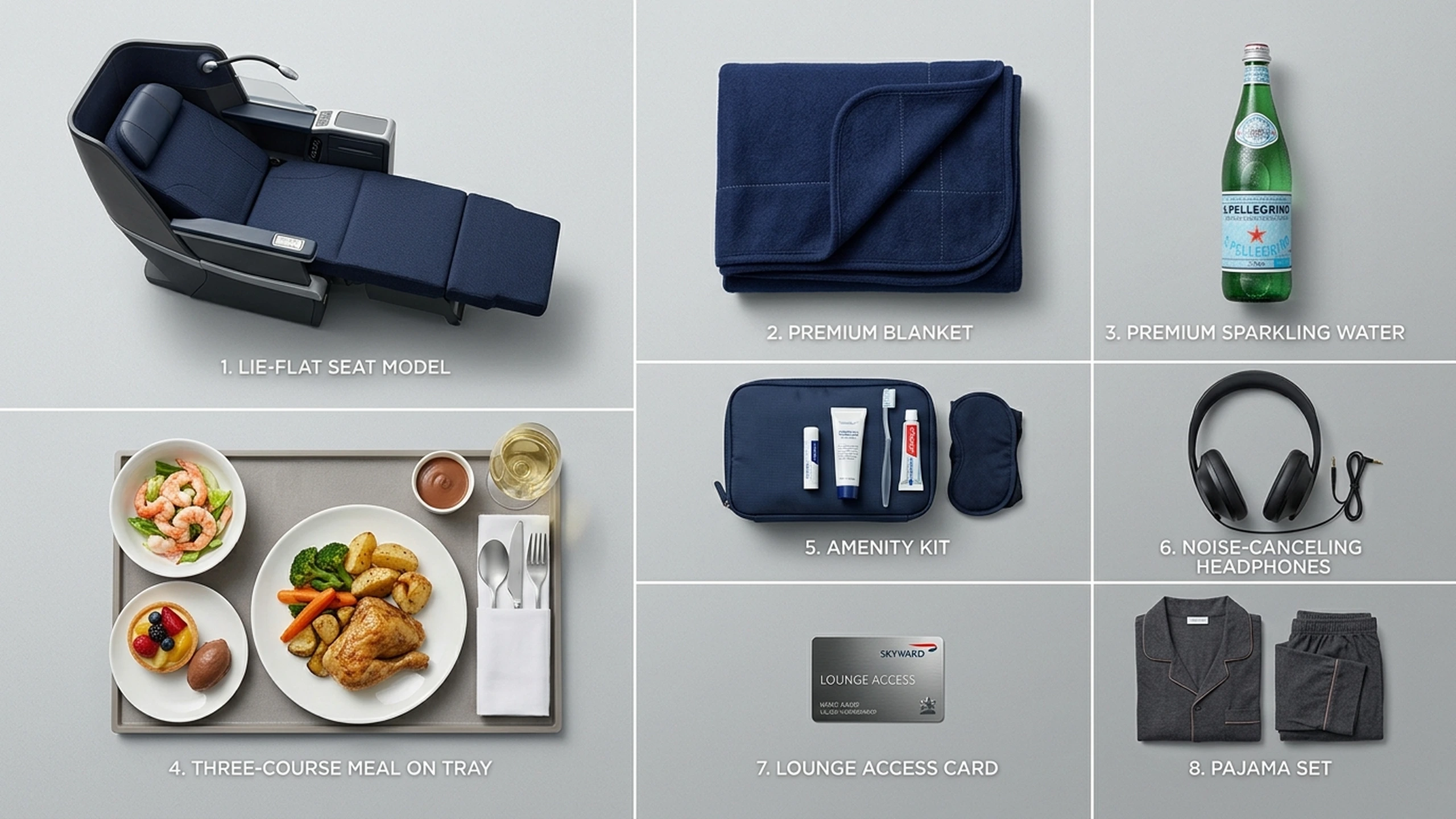
Business class in 2026 includes a lie-flat seat (usually 76-82 inches long), lounge access before your flight, multi-course dining, a designer amenity kit, and priority service from check-in to baggage claim. But what's included in business class varies enormously by airline and aircraft — a 15-year-old 2-2-2 cabin and a brand-new 1-2-1 suite both get called "business class," and they're not remotely the same product. Here's what you're actually paying for, and where the details differ.
At BestBusinessClass.com, we get this question constantly from first-time buyers: "what am I actually getting for $4,000?" This is the answer.
I've flown well over 300 business class segments at this point, and I still get asked the same question by friends booking their first upgrade: what is included in business class, actually? Not the marketing copy — the real stuff. What shows up at your seat, what's in the lounge, what the crew actually does differently.
The honest answer is: it depends enormously on which airline, which route, and — this is the part people miss — which specific aircraft you get assigned. Two flights sold as "business class" between the same two cities can be separated by a decade of product development and feel like different classes of service entirely.
So let's go through it piece by piece, the way it actually plays out at the airport and in the air.
The seat itself
This is the part everyone assumes is standardized. It isn't.
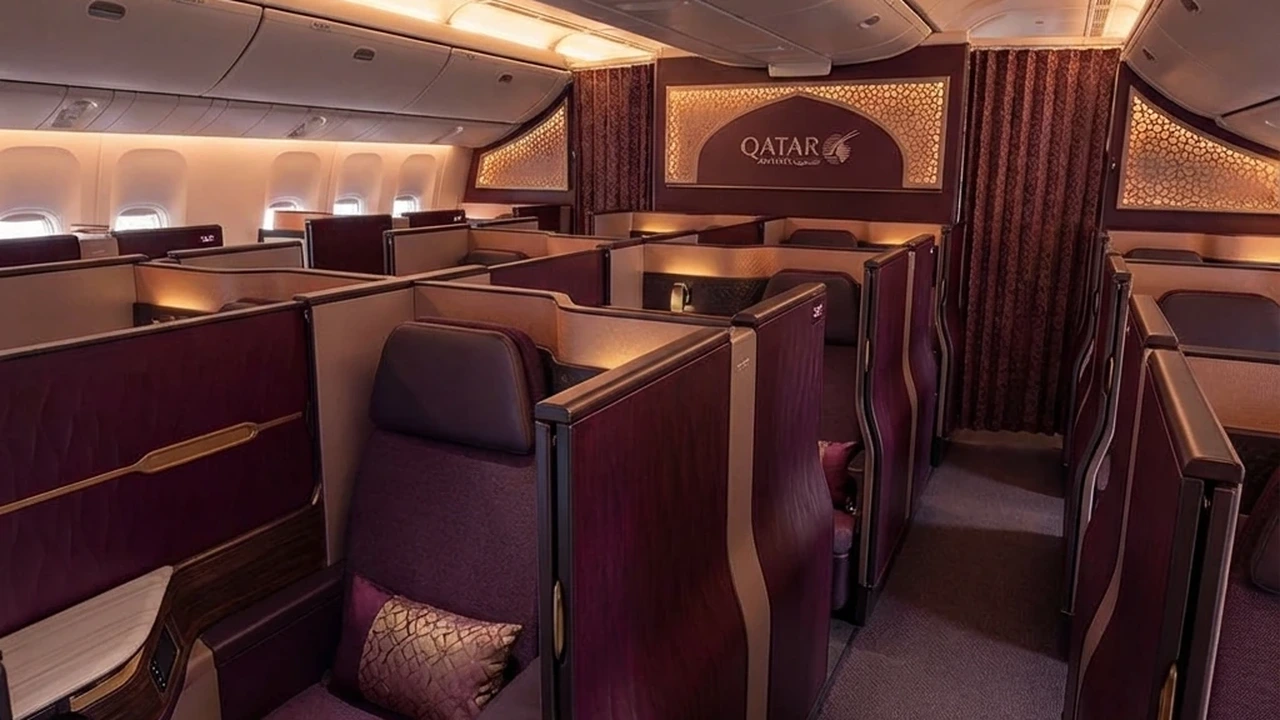
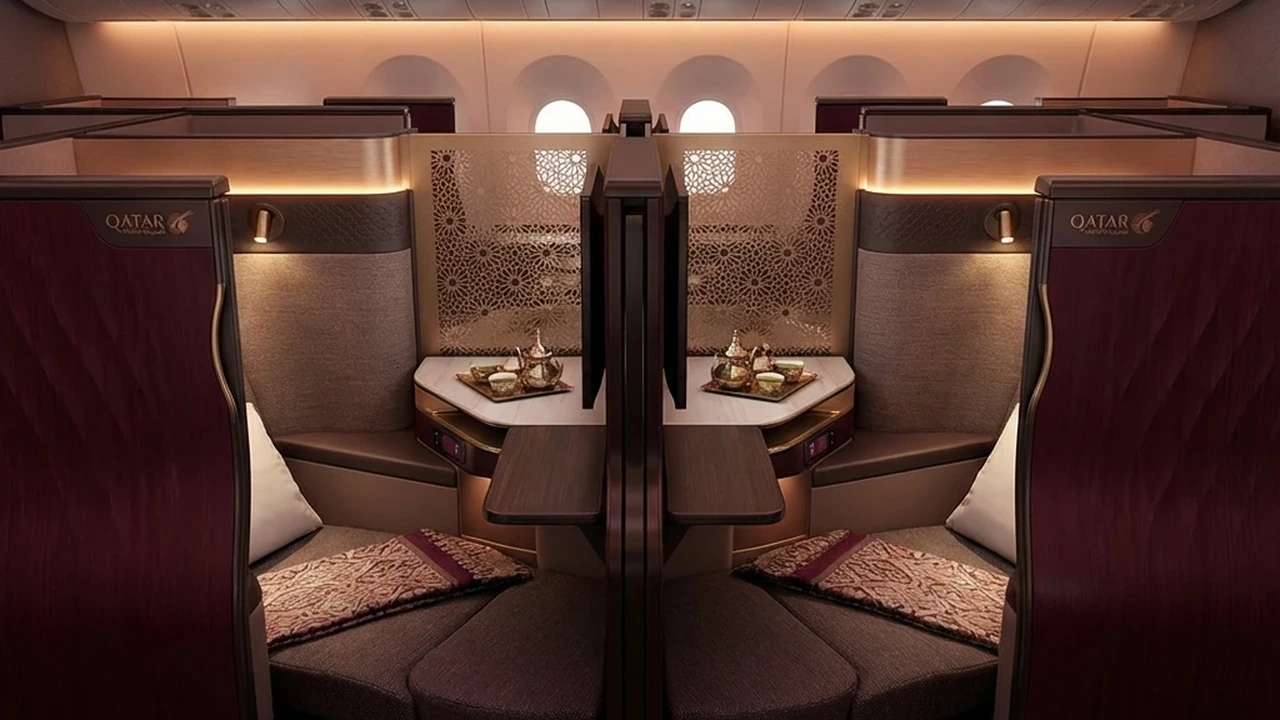
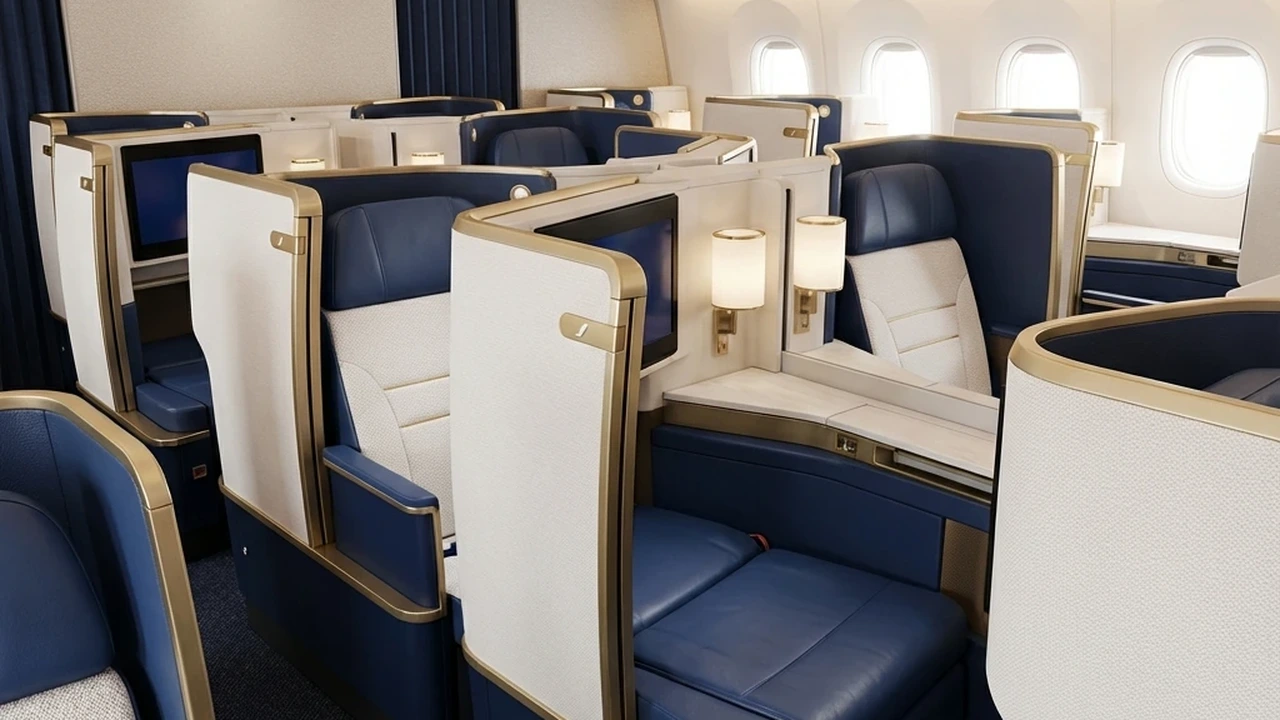
Modern long-haul business class seats convert to a fully flat bed, typically between 76 and 82 inches long depending on the aircraft and seat manufacturer. Delta's Apex Suite on the A350 runs close to 80 inches. Qatar's Qsuite is similarly generous. Older 2-2-2 or angled-flat products can be shorter and, more importantly, not actually flat — they recline at an angle, which sounds fine until you're six hours into a nine-hour flight sliding slowly toward the footwell.
Every modern seat comes with:
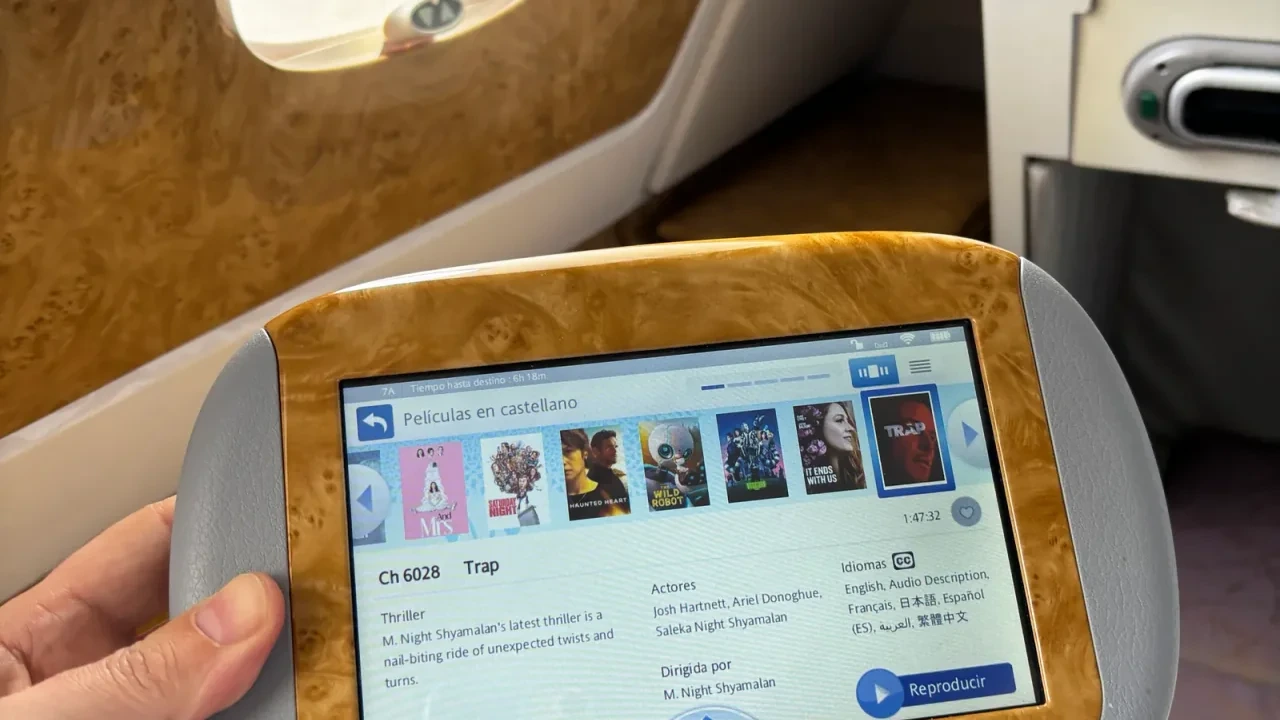
- A personal entertainment screen, usually 15 to 18 inches
- At least one AC power outlet plus USB-A and increasingly USB-C ports
- Some form of enclosed or semi-enclosed storage — a cubby for your phone, a spot for shoes, sometimes a vanity mirror
- Adjustable lumbar and recline settings controlled by a touchscreen or physical panel
The single biggest differentiator, though, is direct aisle access. On a 1-2-1 configuration — think Qatar Qsuite, Delta One Suite, Cathay Pacific's Aria Suite — every passenger can get up without climbing over anyone. On a 2-2-2 layout, the window seat passenger has to disturb the aisle seat passenger every time they want to move. If you're booking a redeye and actually want to sleep uninterrupted, this matters more than the food menu.
Some carriers now sell fully enclosed door suites — sliding or folding doors that turn your seat into a private pod. Qatar's Qsuite pioneered this at scale, and JetBlue's Mint, Delta One Suite, and several others have followed. It's genuinely different from a curtain-less open seat, especially for sleeping or working without a stranger's TV screen in your peripheral vision.
Pro Tip
Before you book, look up the specific aircraft type on your route — not just the airline. The same airline can operate three different business class products across its fleet. Seat guru sites and even the airline's own fleet page will tell you which plane is scheduled. A 777-200 flying a 15-year-old refurbished cabin is not the same purchase as a new A350.
What is included in business class before you even board?
This is where a lot of the value actually lives, and it's the part people underestimate before their first trip.
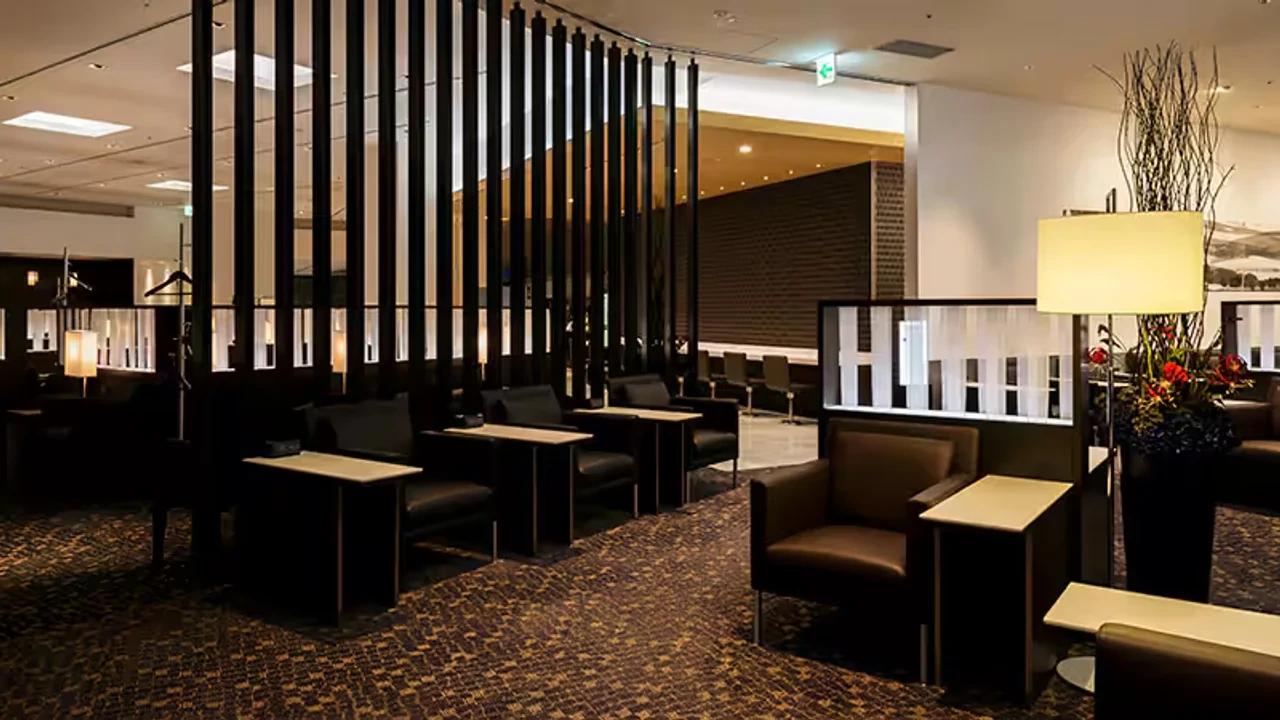
Priority check-in means a separate line, sometimes a separate desk entirely, and check-in agents who aren't rushing you. Priority security access exists at some airports (not all — Heathrow's is hit or miss depending on terminal). Fast-track immigration is available on arrival at select airports, which on a route like Dubai or Doha can save you 30-45 minutes standing in a snaking queue after a long flight.
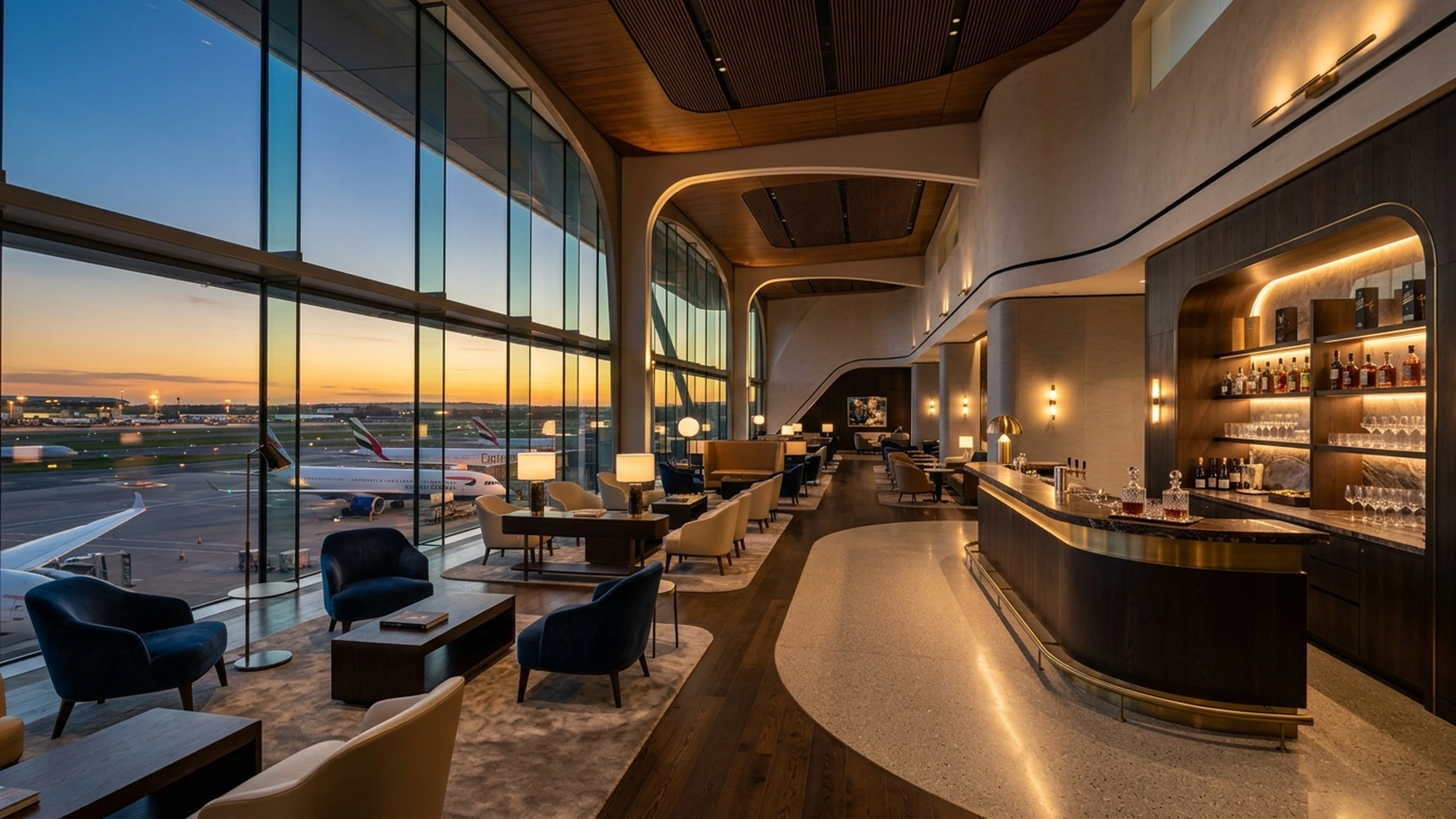
Then there's the lounge. This is genuinely where premium airlines differentiate themselves the most, and the differences are wild.
- Emirates' flagship lounges in Dubai have a cigar bar, a full bar with a dedicated mixologist, and hot buffet stations that rotate menus regularly.
- Delta's Sky Club and its dedicated Delta One lounges at JFK and LAX now include private day rooms with actual beds for pre-flight naps.
- British Airways' Concorde Room and First lounges have Champagne bars stocked with vintage options well above what you'd get poured in the cabin.
- Qatar Airways' Al Mourjan lounge in Doha has a full à la carte restaurant with table service, not a buffet.
- Cathay Pacific's The Wing in Hong Kong has a noodle bar cooked to order and a spa with treatment rooms.
Some of these lounges also offer showers as standard, and a handful (Emirates, Etihad, Qatar) offer spa treatments — think a 20-minute massage before a 14-hour flight, which sounds indulgent until you've actually done it and landed feeling human.
45-90 min
Typical time saved using priority check-in + fast-track immigration on a long-haul international route
Not every business class ticket gets you into the top-tier lounge, though. Some airlines gate their best lounges behind specific fare classes or elite status, even in business class. Always check which specific lounge your ticket grants access to — the answer isn't always "all of them."
The food and drink, honestly assessed
Business class dining is supposed to feel like a restaurant meal at 37,000 feet. Sometimes it does. Sometimes it's a reheated tray with a linen napkin, and the napkin is doing a lot of the work.
At its best — and I'd put Singapore Airlines, Qatar, and Turkish Airlines in this category — you get a proper multi-course sequence: an amuse-bouche or appetizer, a soup or salad course, a main protein course with a choice of two or three options, a cheese course, and dessert, often with wine pairings suggested by the crew. Pre-departure Champagne is standard on most international business class products, poured before the door even closes.
On ultra-long-haul routes — Singapore to New York, Perth to London — most carriers now offer on-demand dining, meaning you can eat whenever you want rather than at a fixed service time. That's a real quality-of-life upgrade if you're trying to sleep through a service window or you land at an odd hour and don't want a heavy meal three hours before touchdown.
Where it falls short: shorter-haul business class, especially domestic or regional business (think transcontinental US, or intra-Asia routes under five hours), tends to be a scaled-down version — maybe two courses, a smaller wine list, less table linen ceremony. That's not a flaw exactly, it's just proportionate to flight length, but it's worth knowing so you're not expecting a five-course tasting menu on a 90-minute hop.
Where food quality actually drops off
I've had genuinely disappointing meals in business class on legacy US carriers on daytime domestic routes where the "business class meal" is barely distinguishable from a nice economy snack box. Don't assume the word "business" guarantees restaurant-quality food — check reviews for your specific route.
The amenity kit and small extras
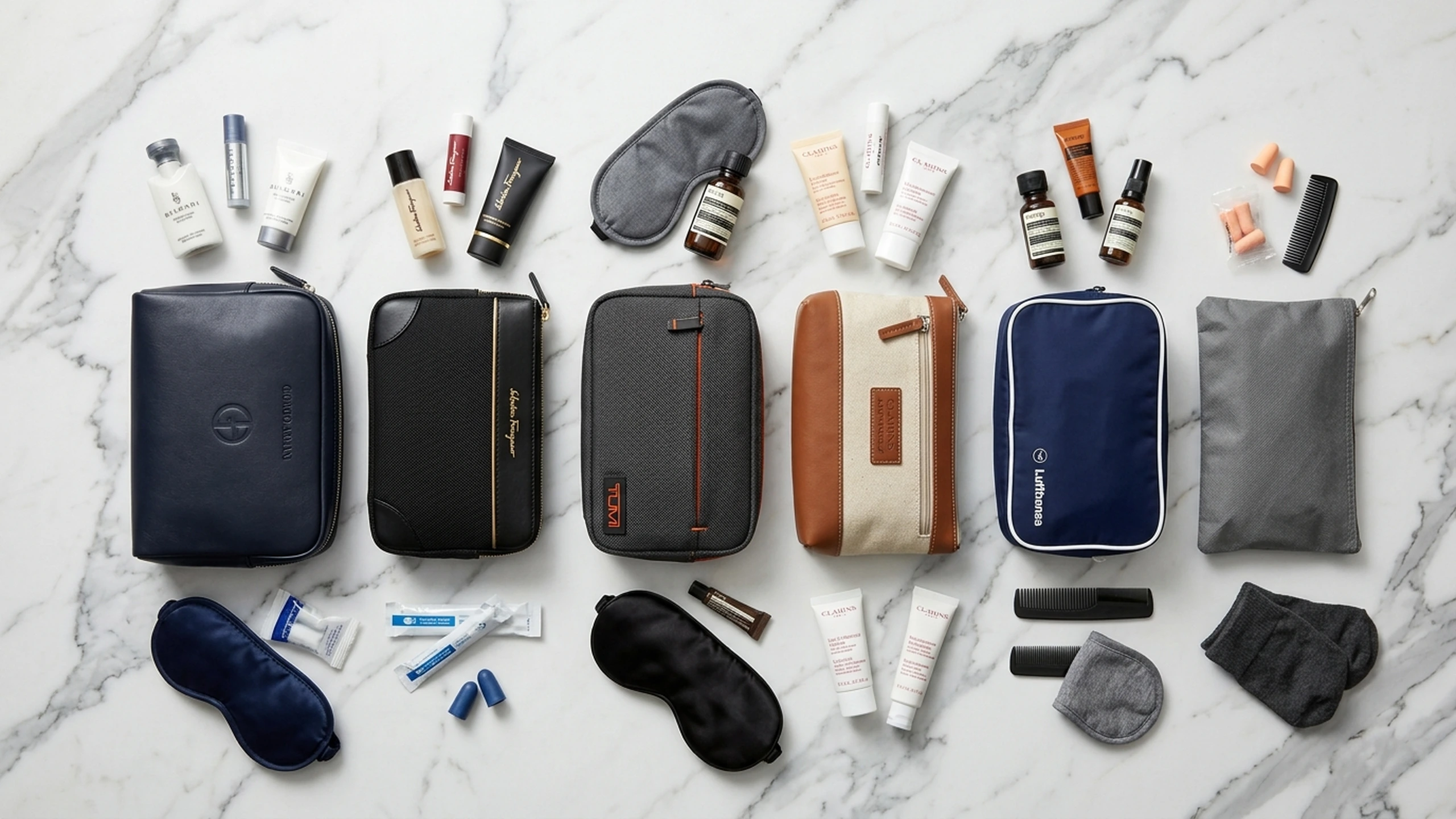
The amenity kit is the thing people photograph and post, and airlines know it, which is why the branding has gotten increasingly aggressive.
- Qatar Airways partners with Diptyque for luxury gift boxes with custom Parisian fragrances and body lotions
- Emirates provides bespoke Bvlgari toiletry cases with Le Gemme fragrances and high-grade skincare
- Delta features Missoni-designed patterned amenity cases with botanical skincare by Grown Alchemist
- Lufthansa partners with Porsche Design for sleek, structured travel pouches and reused
- Cathay Pacific has rotated through several partnerships including Aesop, which frankly has some of the best product inside
Standard contents across most carriers: eye mask, earplugs, socks, a toothbrush and mini toothpaste, lip balm, and some kind of moisturizer or hydrating mist. Higher-end kits add hand cream, a facial mist, sometimes a small perfume or cologne sample.
It's a nice touch. It is not, by itself, worth the fare difference — but it's a signal of how much the airline invested in the overall experience, and in my experience the kit quality correlates pretty reliably with everything else on the flight.
Pajamas or loungewear show up on the longest overnight flights on select carriers — Qatar, Cathay, Singapore, and a few others provide a full sleep suit on 12+ hour overnight sectors. It's a small thing, but changing out of your travel clothes before a long sleep genuinely helps.
Is business class the same on every airline?
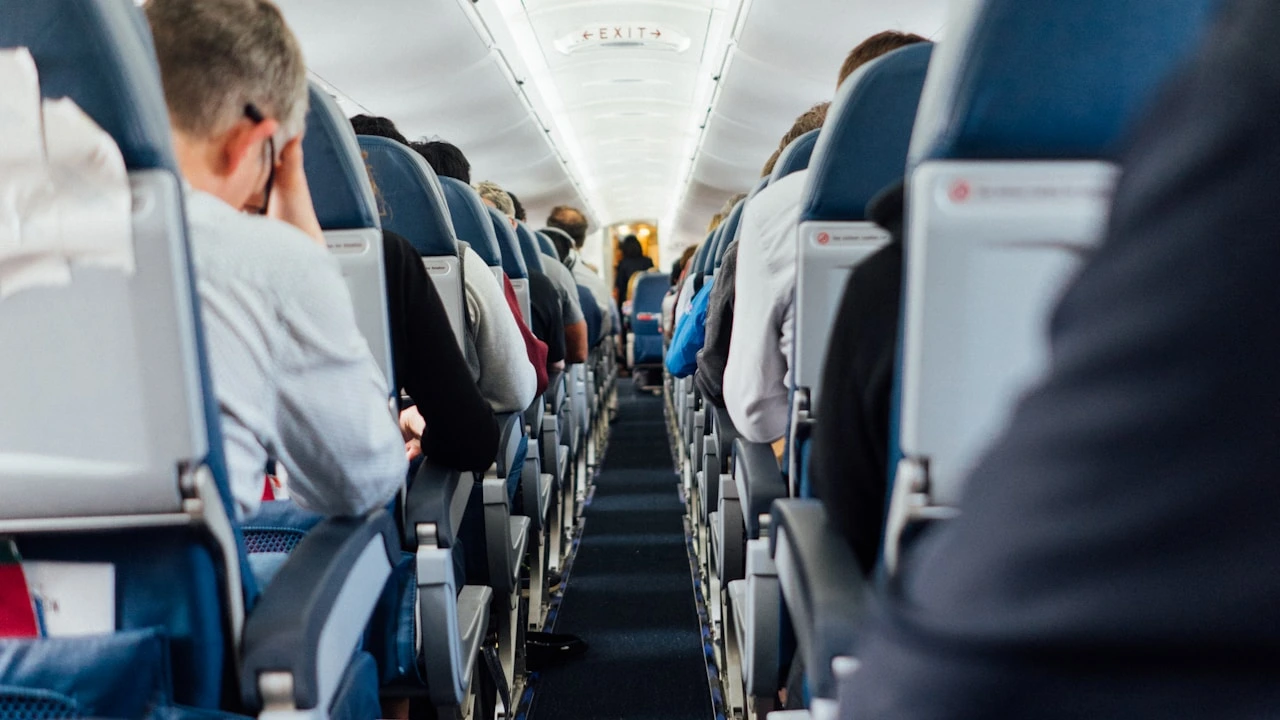
No, and this is probably the single most important thing for a first-time buyer to understand. "Business class" is not a regulated, standardized product — it's a marketing term each airline applies to its second-tier cabin, and the actual hardware and service behind it can vary enormously.
A 2-2-2 angled-flat seat on a 15-year-old aircraft and a 1-2-1 fully flat suite with a closing door are both sold as business class, often at similar prices on comparable routes. The experience gap between them is closer to the gap between economy and business than it is between two business products. This is exactly why checking the specific aircraft type matters more than checking the airline's name.
What's included that people don't expect
A few things surprise first-time flyers because they're not mentioned in the marketing:
- Priority baggage delivery — your bags are tagged to come off the belt first, which after a long-haul flight is a genuinely nice thing not to have to think about
- Priority boarding, obviously, but also usually a dedicated jet bridge or boarding lane
- Chauffeur service on select carriers — Emirates offers a complimentary car service to and from the airport in many cities, which I've used in London and it's a real perk, not a gimmick
- Extra baggage allowance — typically two checked bags at higher weight limits than economy, sometimes 32kg each versus 23kg
- Refundable or more flexible tickets depending on fare class, which matters if your plans might shift
New York (JFK)London (LHR)
British Airways · Business Class
$2,200
roundtrip
That JFK-LHR route is a good example of the range. British Airways' newer Club Suite (1-2-1 with doors) on some 777 and A350 aircraft is a completely different product from the older Club World cabin still flying on some 787s. Same route, same airline, same fare bucket sometimes — different plane, different experience. This is a big part of why we built our New York to London route guide — to flag exactly which aircraft you want to request or avoid.
How do I know what my specific business class ticket includes?
Check the aircraft type before you book, not just the cabin name. Airlines list scheduled equipment on their booking pages, and third-party seat map sites will show you the actual configuration — 1-2-1, 2-2-2, herringbone, whatever it is — for that specific tail number's typical routing.
Second, check lounge access separately from the flight itself. Some tickets, especially those booked through partner airlines or codeshares, grant business class seating but not access to the originating airline's flagship lounge. You might get routed to a shared alliance lounge instead, which is fine but not the same as the Al Mourjan or the Concorde Room.
Third, ask what's actually different about food service on your specific route length. A transatlantic red-eye and a five-hour daytime flight in the same cabin class can have noticeably different meal service.
Pro Tip
When you call a consolidator or agent to book, ask specifically: "What's the seat configuration and does it have direct aisle access?" That single question filters out most of the disappointing options before you even get to price.
Is it actually worth the price difference?
That's a longer conversation, and we've written a full breakdown in our is business class worth it guide — but the short version is that it depends heavily on flight length and how well you sleep sitting up. On a 14-hour flight to Singapore, a lie-flat seat is close to essential if you want to function the next day. On a 3-hour domestic hop, you're mostly paying for the lounge, the extra legroom, and a nicer sandwich.
What I'd say plainly: the lie-flat bed and direct aisle access are the two things that actually change how you feel after landing. The food, the amenity kit, the Champagne — those are genuinely nice, but they're not the reasons business class is worth $2,000-4,000 more than economy on a long-haul route. Sleep quality is the reason.
This is also exactly the kind of detail our team at BestBusinessClass.com walks through on every call — because the fare price alone doesn't tell you if you're booking a door suite or an old angled-flat seat, and that difference is worth knowing before you pay.
For a full breakdown by category, our what's included guide goes deeper on specific carriers and specific aircraft, seat by seat.
A quick gut check before you book
If you're comparing two business class fares and trying to figure out which is the better deal, run through this list:
- What's the seat configuration — 1-2-1, 2-2-2, or something else?
- Does it have direct aisle access for every seat?
- Is it a true lie-flat seat, or angled-flat?
- What lounge does this specific ticket grant access to?
- Is this a daytime or overnight flight, and does the meal service match?
Answer those five questions and you'll have a much clearer sense of what you're actually buying, regardless of what the fare class label says.
If you want someone to already know the answers to all five before you pick up the phone, that's the entire point of working with a consolidator. Our team at BestBusinessClass.com tracks aircraft assignments and seat configurations across the routes we sell precisely so you don't end up paying premium prices for a tired old cabin. You can browse current deals to see live examples, or just call and ask us to compare two specific flights side by side.
Call (855) 815-4774 for discounted business class fares
Call NowThis article was created with AI assistance and reviewed by our editorial team.
#buyer-guide#what-to-expect#amenities#lounge#seat#dining
Enjoy our content? Make us a preferred source on Google.
Business class deals, delivered
Join savvy travelers who receive exclusive deals, route tips, and insider knowledge. Free, weekly, no spam.
Unsubscribe anytime. We respect your inbox.
By submitting, you agree to our Privacy Policy and Terms of Service.
Ready to book your business class flight?
Our specialists access unpublished fares and save you up to 40% on premium cabins.