Business class flights from Albuquerque (ABQ) to Geneva (GVA) start from $3,000 round-trip — up to 40% below published airline prices. The ~12 hours journey covers 5,438 miles, with 2 airlines offering lie-flat seats on this route. Best time to book: 3–6 months in advance for best fares.

ABQ → GVA
Albuquerque to Geneva Business Class
From$3,000
Quick Verdict
Updated October 2026Albuquerque to Geneva business class fares start at $3,000 round-trip, with airlines including Delta Air Lines, United Airlines. The ~12 hours flight covers 5,438 miles. Peak season: June–August, December. Best value: January–March, November. Book through BestBusinessClass.com to save up to 40%.
From$3,000
Top AirlinesDelta Air Lines · United Airlines
Flight Time~12 hours
Best MonthsJanuary–March
Route Overview
Starting From
$3,000 round-trip
Flight Duration
~12 hours
Distance
5,438 miles
Best Value
Jan, Feb, Mar
Savings
Up to 60% off retail
Route Intelligence
Business Class from Albuquerque to Geneva
Business class fares from Albuquerque to Geneva run $3,000–$7,450 round-trip through BestBusinessClass.com, a savings of roughly 30-45% versus published retail rates on the same lie-flat cabins. Since ABQ has no widebody international service, every itinerary connects through a major US gateway — Dallas, Charlotte, Atlanta, Minneapolis, Houston, or Chicago — before the long-haul leg to Geneva. Total travel time runs around 12 hours in the air, plus connection time, so this is realistically a 15-16 hour door-to-door journey each way.
Airlines & Cabin Experience
Geneva draws a specific kind of traveler: banking and diplomatic professionals heading to UN and WHO meetings, skiers pointing toward Verbier or Chamonix, and leisure travelers using the city as a base for the Swiss Alps and nearby French wine country. It's a compact, walkable city with the lake, the Jet d'Eau, and easy rail connections into the rest of Switzerland and France, so business class travelers often pair a short Geneva stay with a longer trip elsewhere in Europe.

Pricing & Best Time to Fly
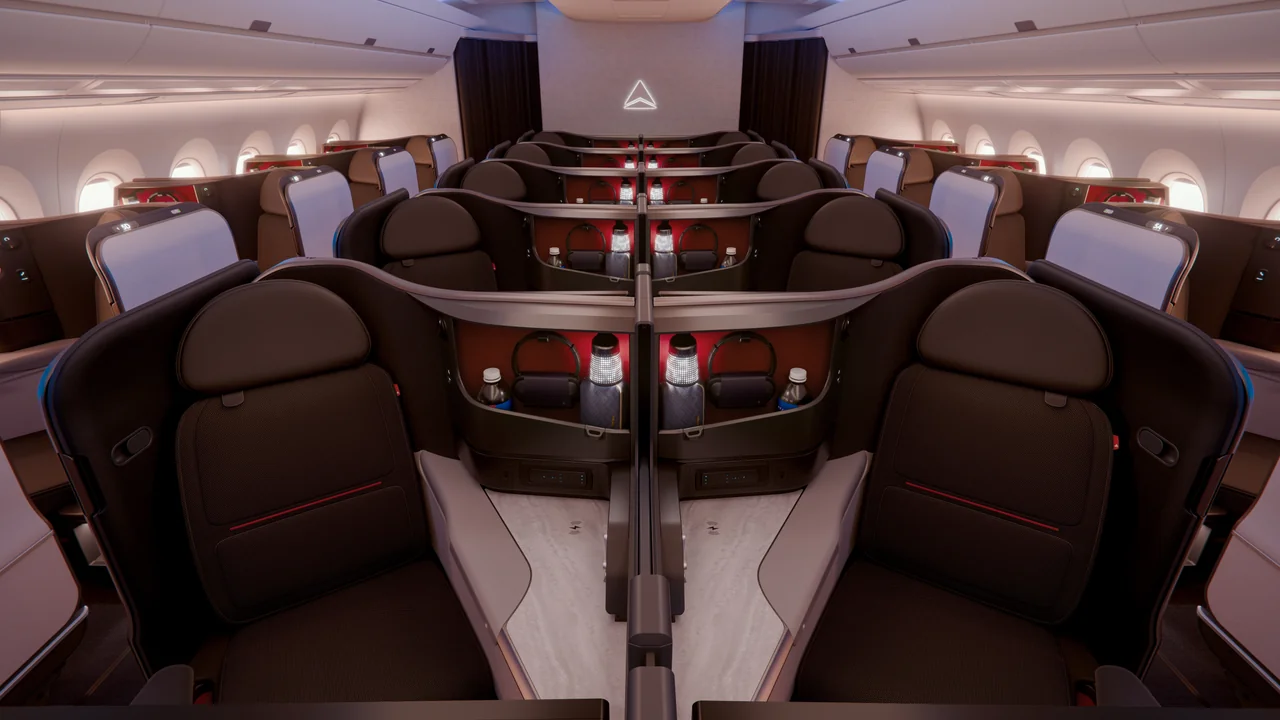
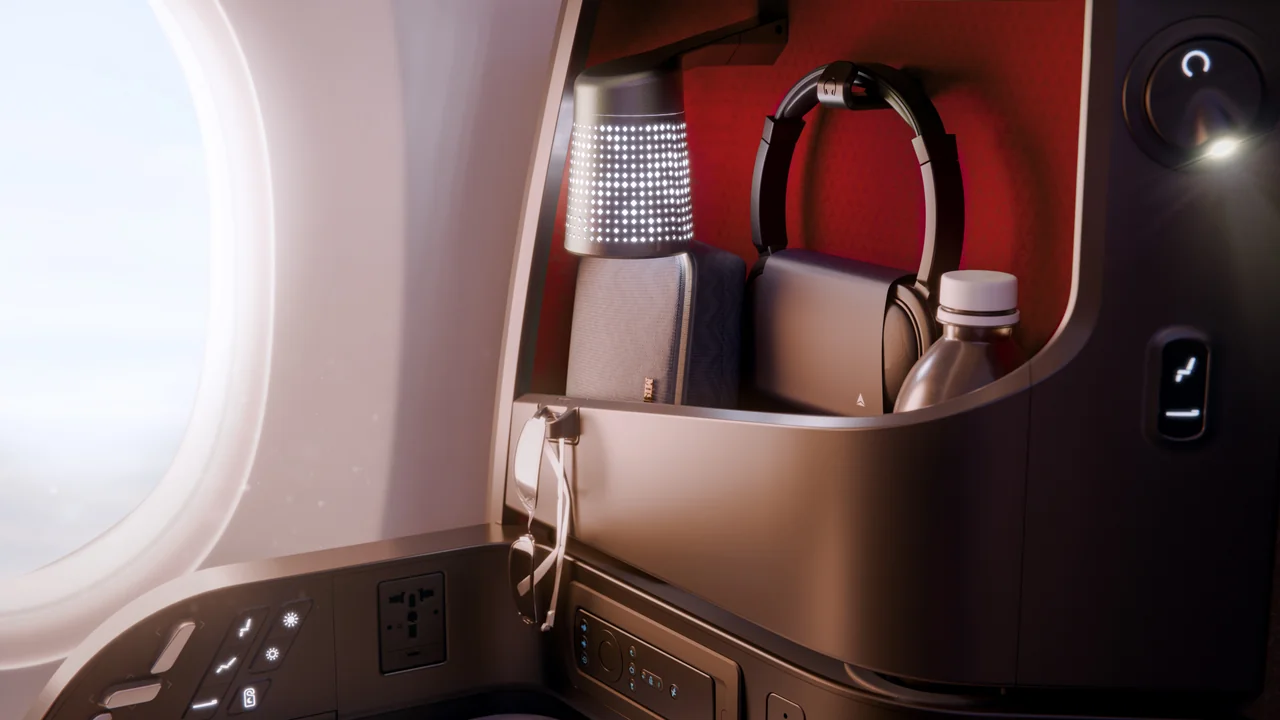
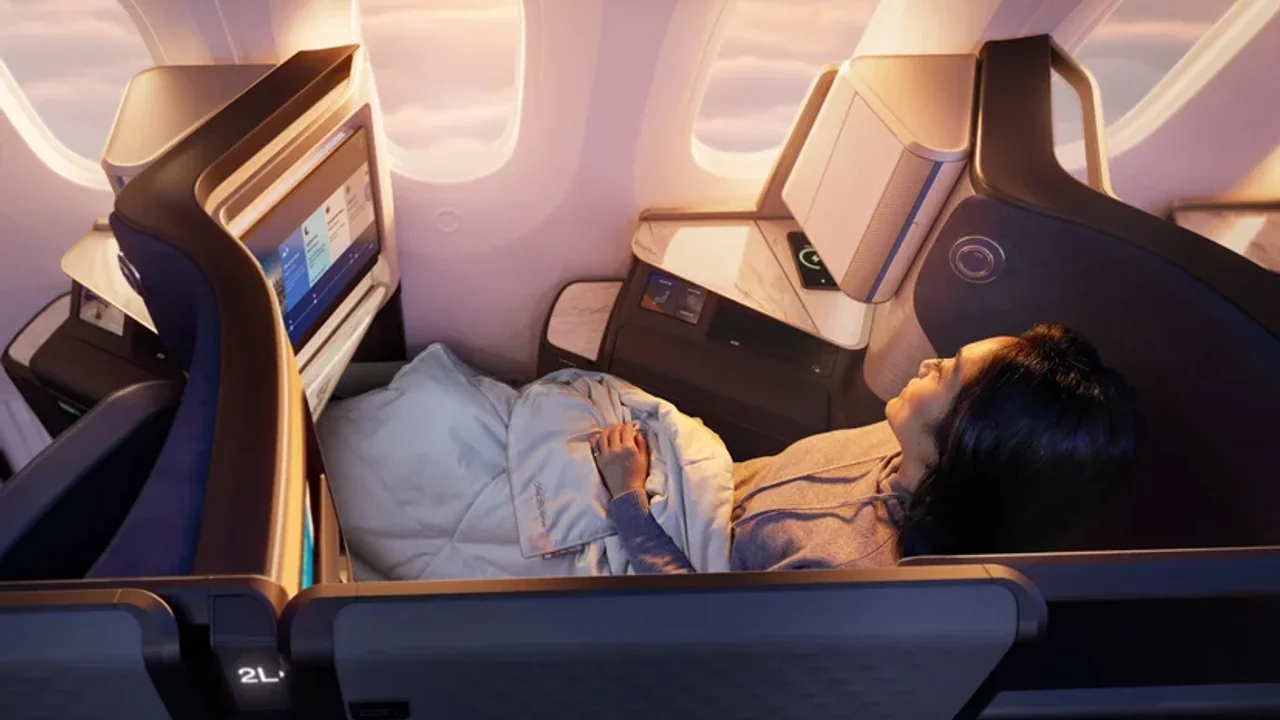
Three US carriers dominate this routing depending on your connection point. American's Flagship Business, typically routed through Charlotte or Dallas, offers a proper lie-flat suite in 1-2-1 configuration with Casper bedding and Flagship Lounge access at the hub — a strong option if your connection allows a lounge visit before the transatlantic leg. Delta One, connecting through Atlanta or Minneapolis, goes a step further with a suite that has a closing door, plus Tumi amenity kits, which matters on an overnight eastbound flight when privacy helps you actually sleep. United Polaris, routed via Houston or Chicago, delivers a lie-flat pod in the same 1-2-1 layout with Saks Fifth Avenue bedding and its own dedicated Polaris lounges at select hubs. All three cabins are genuinely comparable in comfort — the deciding factor is usually which connecting hub works best with your Albuquerque departure time and which lounge experience you value more.
Why Book Through BestBusinessClass.com
Pricing on Albuquerque to Geneva business class follows a predictable seasonal pattern. January, February, and March are the strongest value months, since post-holiday demand drops and ski traffic to Geneva hasn't fully ramped. October and November are the other sweet spot — shoulder season after summer crowds thin out but before the December holiday surge. Booking 60-90 days ahead generally locks in the better end of that $3,000-$7,450 range, while last-minute bookings inside three weeks tend to push toward the top of the bracket or beyond. Because these are consolidator fares negotiated directly with the airlines, availability shifts week to week, so flexibility on travel dates by even a few days can mean a meaningfully different price.
Travel Tips
The eastbound overnight structure of this trip is worth planning around. Most itineraries have you departing Albuquerque in the afternoon or evening, connecting through your hub, then taking the transatlantic leg overnight to land in Geneva mid-morning local time. That means the connecting flight and the long-haul segment are both candidates for sleep, so a lie-flat seat with good bedding — any of the three products here qualifies — makes a real difference in how functional you are on arrival. Building in a slightly longer connection window (90 minutes or more) at your US hub is smart given how spread out terminals can be at Dallas, Atlanta, or Chicago.
Airline Comparison
| Airline | Product | Seat Configuration | Alliance | Key Features | Review |
|---|---|---|---|---|---|
| Delta Air Lines | Delta One Suite | Suite with closing door, 1-2-1 | SkyTeam | Delta One Suite privacy, Tumi amenity kit | Read Review |
| United Airlines | United Polaris | Lie-flat pod, 1-2-1 | Star Alliance | Polaris lounge access, Saks Fifth Avenue bedding | Read Review |
Best Time to Book
When Should You Book Albuquerque to Geneva Business Class?
Business class fares from Albuquerque to Geneva range from $3,000 to $7,450 round-trip, depending on season and advance booking. The best value is during January–March, November. Peak fares occur June–August, December. Booking 3–6 months ahead and choosing midweek departures typically yields 20–35% savings.
JanBest Value
FebBest Value
MarBest Value
AprAverage
MayAverage
JunPeak Pricing
JulPeak Pricing
AugPeak Pricing
SepAverage
OctAverage
NovGood Value
DecPeak Pricing
💚 Best Value — $3,000–$4,113
💛 Good Value — $3,890–$5,225
🟠 Average — $4,780–$6,115
🔴 Peak Pricing — $5,670–$7,450
Top Rated
By Travelers
Up to 40%
Savings
Licensed
Accredited
24/7
Live Support
Operated by LUX Services LLC|FL Seller of Travel #ST46311
The Business Class Standard
Lie-Flat Guarantee
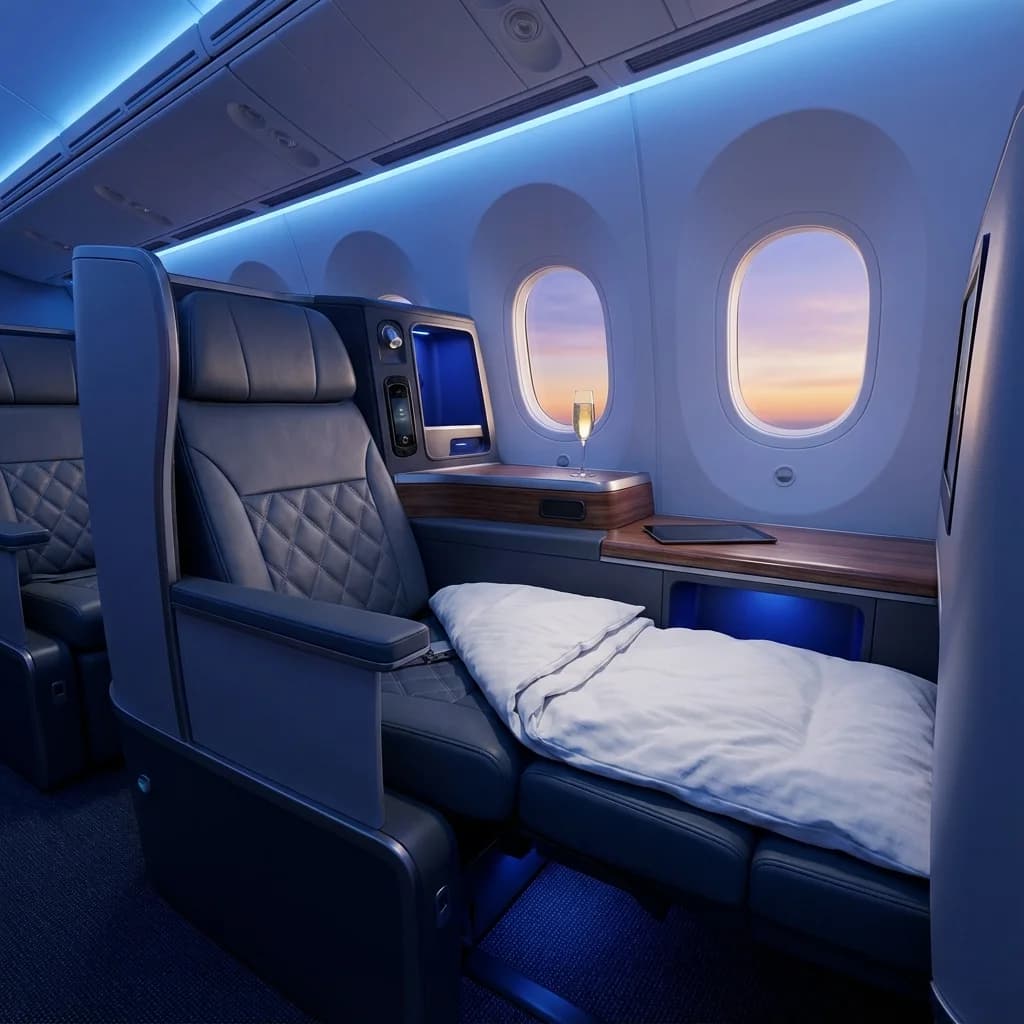
We only sell true Business Class. 180° fully flat beds on all long-haul routes, ensuring you arrive rested.
Premium Lounges
Access the world's finest lounges. Enjoy pre-flight dining, showers, and quiet workspaces before you board.
Priority Service
Skip the queues. Your ticket includes fast-track security, priority boarding, and premium baggage handling.
The Business Class Standard
Lie-Flat Guarantee
We only sell true Business Class. 180° fully flat beds on all long-haul routes, ensuring you arrive rested.
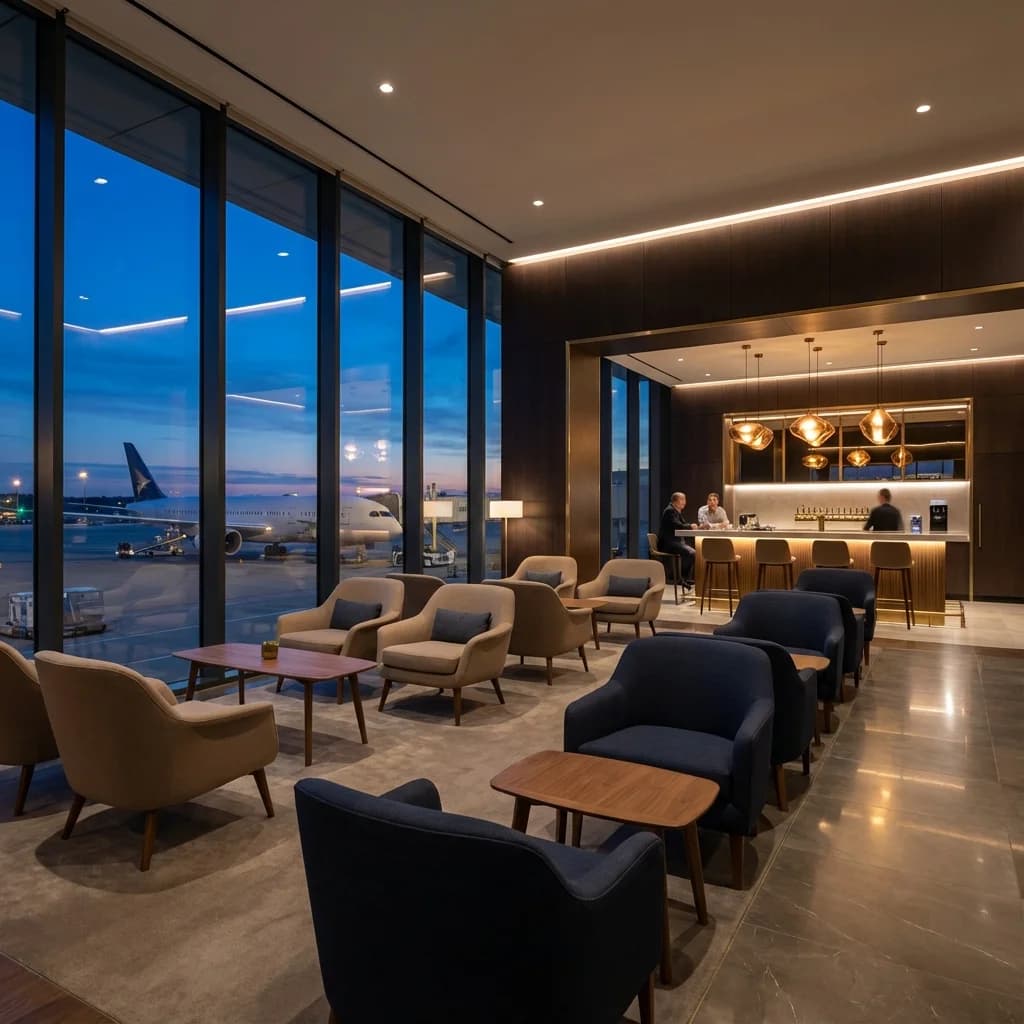
Premium Lounges
Access the world's finest lounges. Enjoy pre-flight dining, showers, and quiet workspaces before you board.
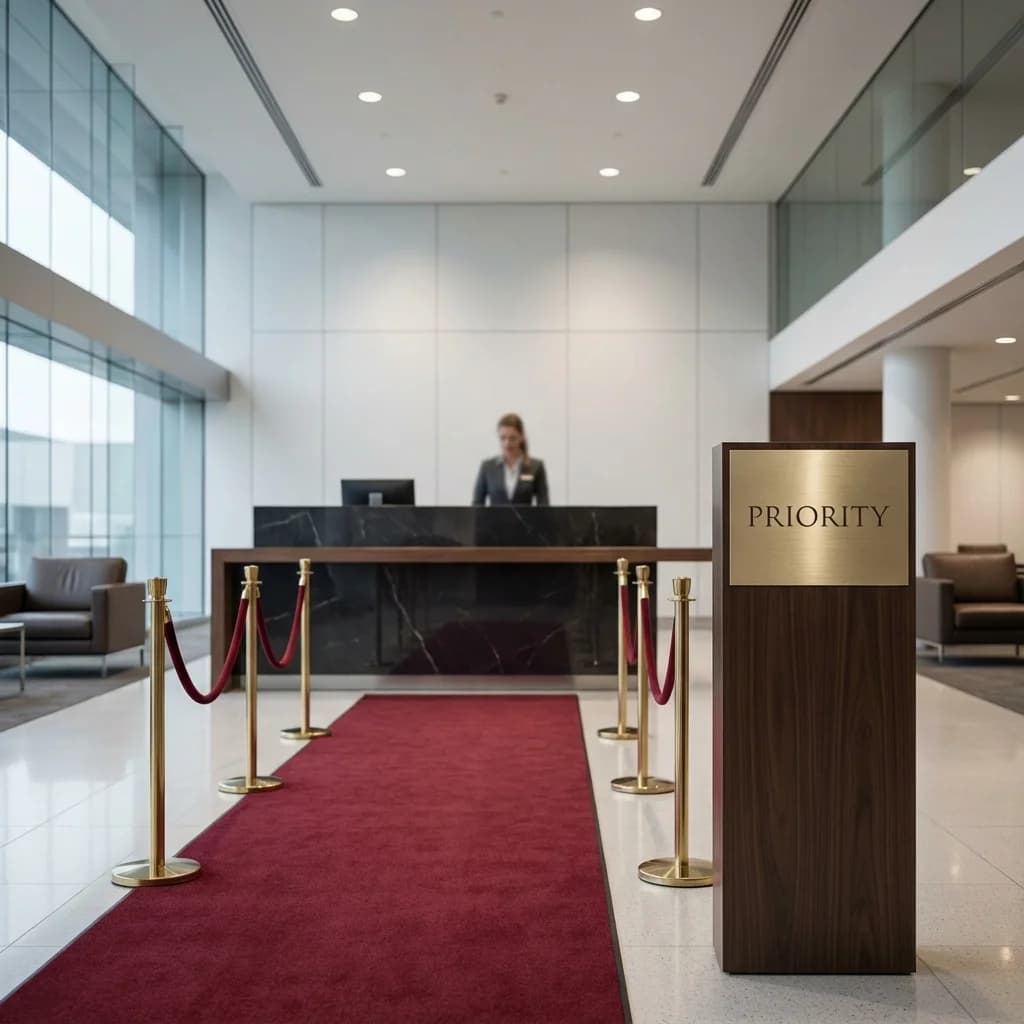
Priority Service
Skip the queues. Your ticket includes fast-track security, priority boarding, and premium baggage handling.
FAQs: Albuquerque to Geneva Business Class
Travel Guides
Popular Travel Guides

What Our Travelers Say
Client Feedback
Verified insights from travelers booking discounted international business class flights.
Ready to book Albuquerque to Geneva?
Our travel experts have access to unpublished fares. Save up to 40%.