Business class flights from Austin (AUS) to Reykjavik (KEF) start from $2,150 round-trip — up to 40% below published airline prices. The ~9 hours journey covers 3,914 miles, with 2 airlines offering lie-flat seats on this route. Best time to book: 3–6 months in advance for best fares.

AUS → KEF
Austin to Reykjavik Business Class
From$2,150
Quick Verdict
Updated October 2026Austin to Reykjavik business class fares start at $2,150 round-trip, with airlines including Delta Air Lines, United Airlines. The ~9 hours flight covers 3,914 miles. Peak season: June–August, December. Best value: January–March, November. Book through BestBusinessClass.com to save up to 40%.
From$2,150
Top AirlinesDelta Air Lines · United Airlines
Flight Time~9 hours
Best MonthsJanuary–March
Route Overview
Starting From
$2,150 round-trip
Flight Duration
~9 hours
Distance
3,914 miles
Best Value
Jan, Feb, Mar
Savings
Up to 60% off retail
Route Intelligence
Business Class from Austin to Reykjavik
Austin to Reykjavik business class runs $2,150–$5,750 round-trip through BestBusinessClass.com, a route that typically requires one connection since Austin doesn't yet have nonstop widebody service to Iceland. Total travel time lands around 9 hours of flying once you account for the connection, and because AUS is a secondary gateway for international premium cabins, the routing usually funnels through Dallas, Charlotte, Atlanta, Minneapolis, Houston, or Chicago depending on which carrier you fly.
Airlines & Cabin Experience
Reykjavik draws a specific kind of traveler — the one chasing the Northern Lights between September and April, or the summer crowd chasing 20-hour daylight for hiking the highlands and soaking in the Blue Lagoon. It's also become a favorite stopover city, since Icelandair and connecting itineraries make it easy to break up a longer European trip with a few days near the Golden Circle. Winter visitors booking Austin to Reykjavik business class should know the aurora season overlaps nicely with our cheapest fare windows, so you're not paying a premium to see the lights.

Pricing & Best Time to Fly
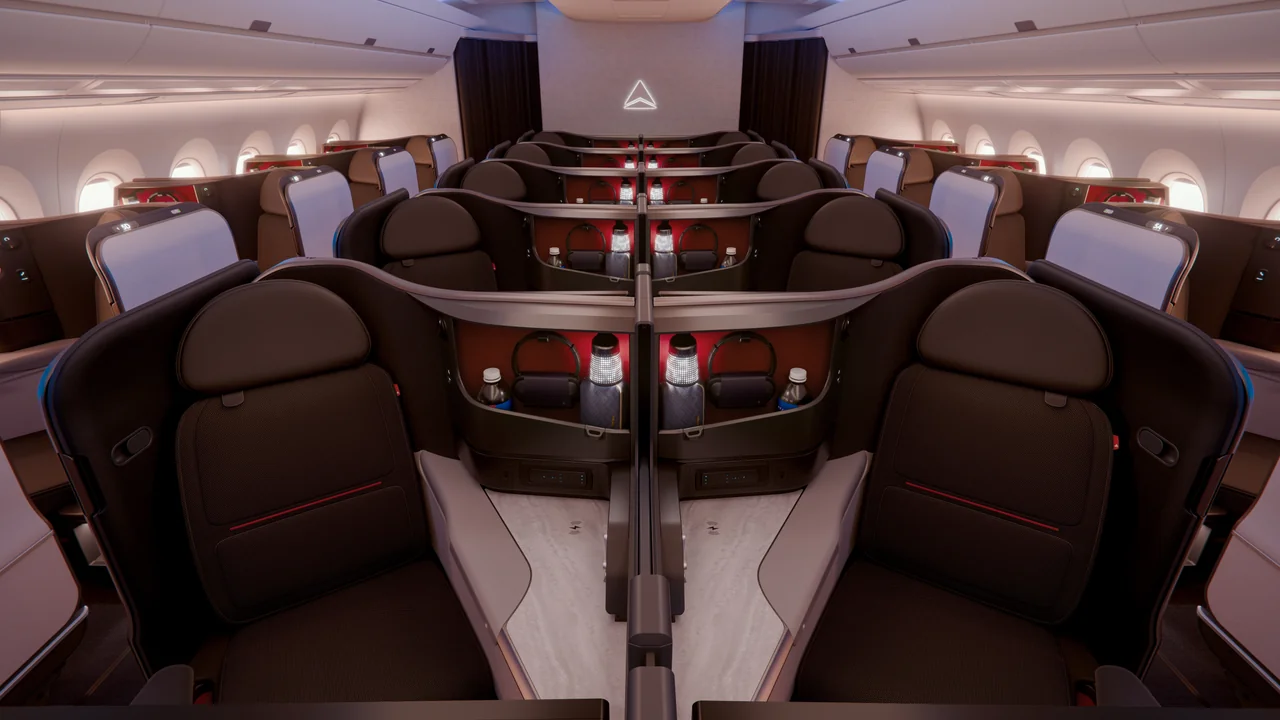
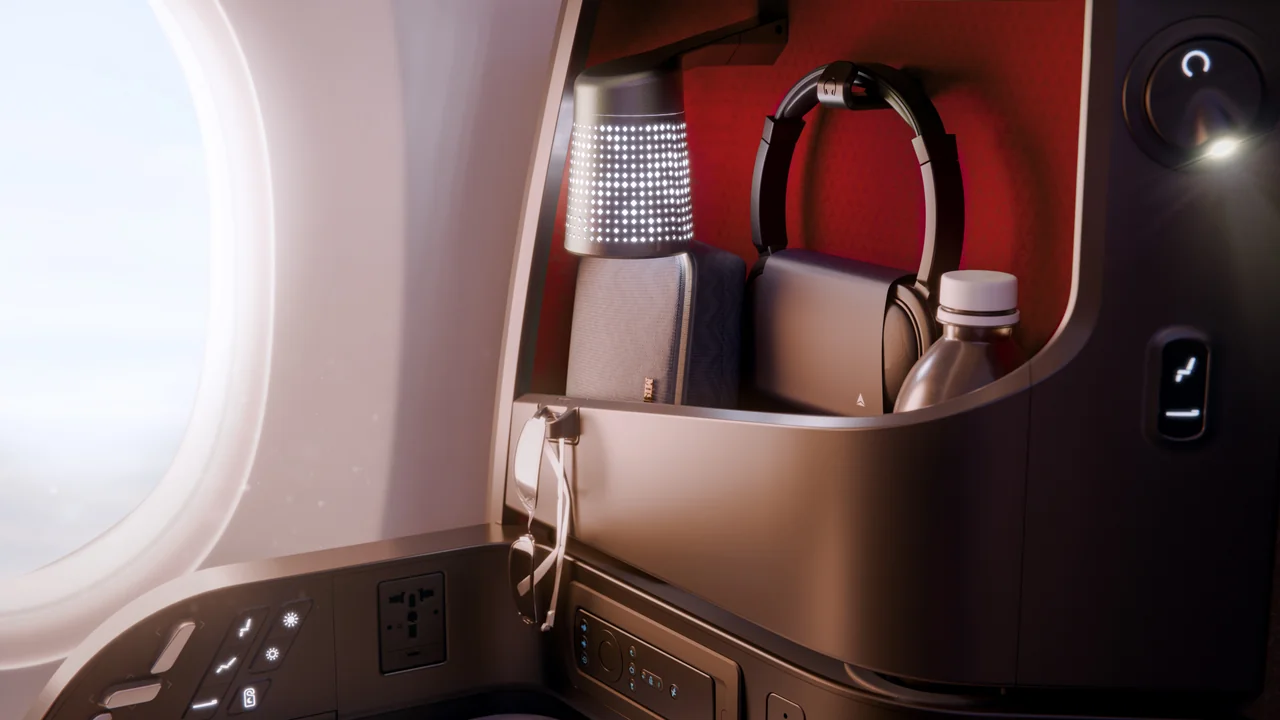
Three US carriers cover this corridor well depending on your connection point. American's Flagship Business gives you a proper lie-flat suite in a 1-2-1 layout, plus Flagship Lounge access at the DFW or CLT connection and Casper bedding that actually makes a difference on the overnight legs. Delta One Suite is the standout if privacy matters to you — it's the only one of the three with a closing door at your seat, and the Tumi amenity kits are a nice touch heading into cold-weather Iceland. United's Polaris product, typically routed through ORD or IAH, uses a lie-flat pod in the same 1-2-1 configuration with Saks Fifth Avenue bedding and Polaris lounge access pre-departure. All three are solid; Delta edges ahead for solo travelers wanting a semi-private pod, while American and United are strong picks if you value lounge quality at the connecting hub.
Why Book Through BestBusinessClass.com
Pricing on Austin to Reykjavik business class swings widely based on when you fly and how far ahead you book. January, February, March, October, and November consistently produce the lowest fares — often 30-50% below what you'd pay flying the same cabins in June or July, when Iceland's tourist season peaks and premium seats sell out fast. Booking 3-4 months ahead gives you the best shot at the $2,150–$3,200 range; wait until inside 30 days and you're more likely looking at $4,500 and up, especially around holidays. Because these are consolidator fares negotiated through wholesale airline agreements, the same seat that shows $5,200 on the airline's own site or Google Flights can come in 30-40% cheaper when a Personal Travel Manager at BestBusinessClass.com sources it directly.
Travel Tips
One practical note on the flight experience: this eastbound routing typically has you landing in Reykjavik in the early morning after an overnight connection, so a lie-flat seat isn't a luxury here — it's what lets you actually sleep and step off the plane ready to explore rather than jet-lagged and useless for a day. Pick a connection city with a lounge you like (DFW and ATL are both strong), and try to keep your layover under two hours if possible since Iceland-bound flights from the East Coast hubs often depart in the evening.
Airline Comparison
| Airline | Product | Seat Configuration | Alliance | Key Features | Review |
|---|---|---|---|---|---|
| Delta Air Lines | Delta One Suite | Suite with closing door, 1-2-1 | SkyTeam | Delta One Suite privacy, Tumi amenity kit | Read Review |
| United Airlines | United Polaris | Lie-flat pod, 1-2-1 | Star Alliance | Polaris lounge access, Saks Fifth Avenue bedding | Read Review |

Best Time to Book
When Should You Book Austin to Reykjavik Business Class?
Business class fares from Austin to Reykjavik range from $2,150 to $5,750 round-trip, depending on season and advance booking. The best value is during January–March, November. Peak fares occur June–August, December. Booking 3–6 months ahead and choosing midweek departures typically yields 20–35% savings.
JanBest Value
FebBest Value
MarBest Value
AprAverage
MayAverage
JunPeak Pricing
JulPeak Pricing
AugPeak Pricing
SepAverage
OctAverage
NovGood Value
DecPeak Pricing
💚 Best Value — $2,150–$3,050
💛 Good Value — $2,870–$3,950
🟠 Average — $3,590–$4,670
🔴 Peak Pricing — $4,310–$5,750
Top Rated
By Travelers
Up to 40%
Savings
Licensed
Accredited
24/7
Live Support
Operated by LUX Services LLC|FL Seller of Travel #ST46311
The Business Class Standard
Lie-Flat Guarantee
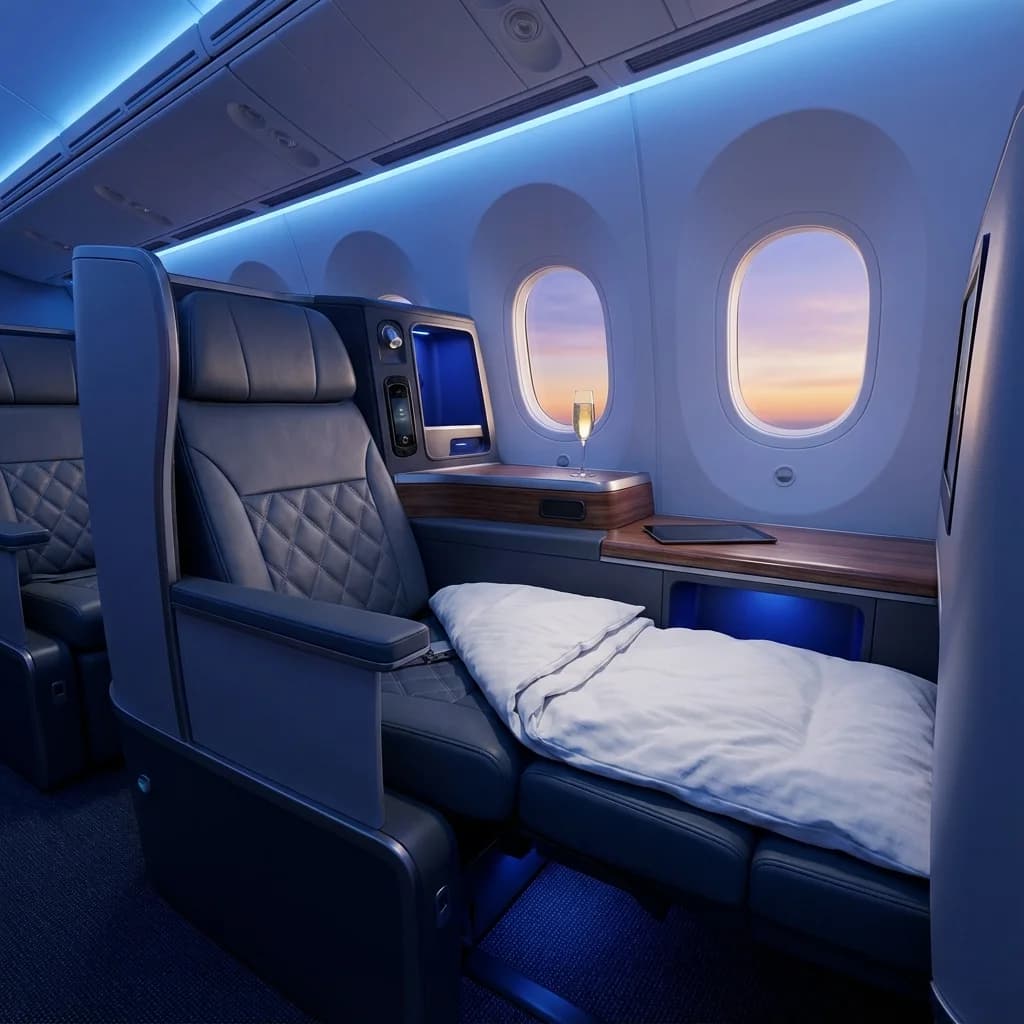
We only sell true Business Class. 180° fully flat beds on all long-haul routes, ensuring you arrive rested.
Premium Lounges
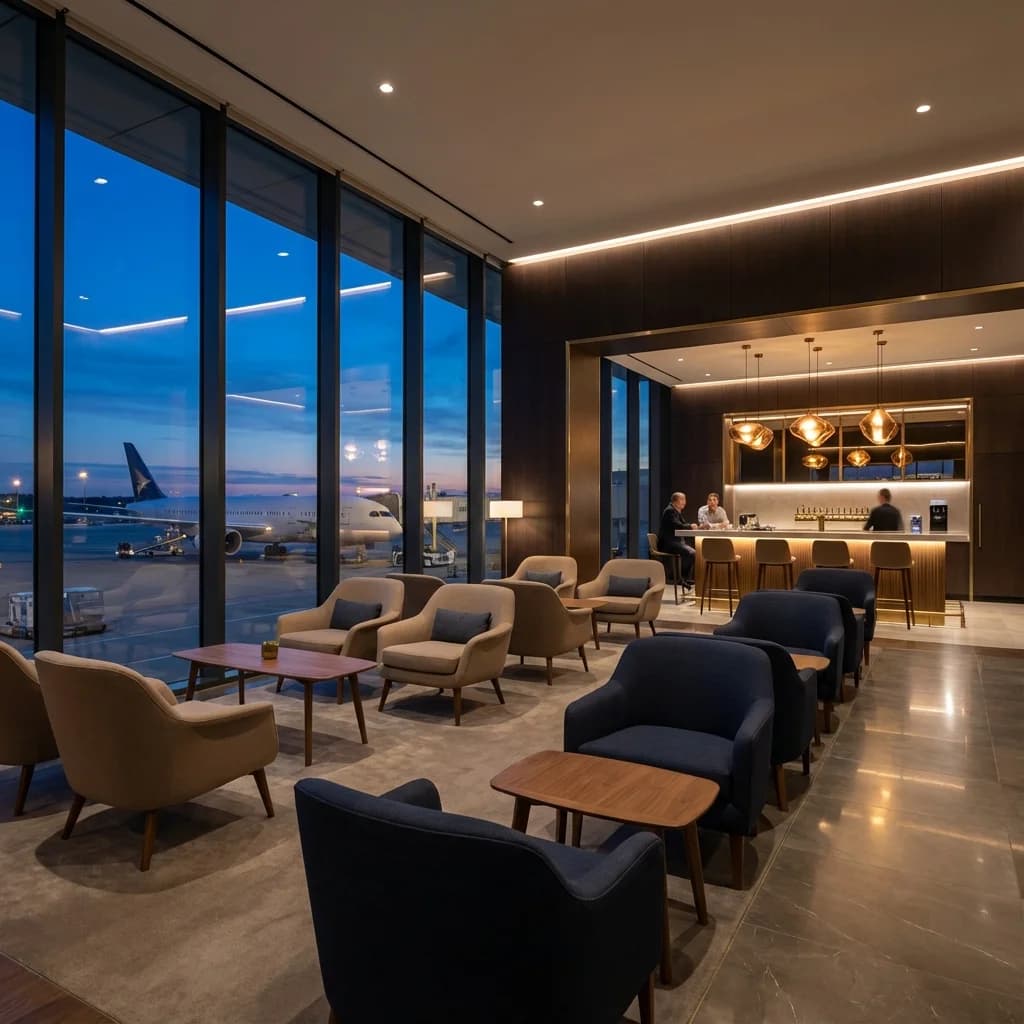
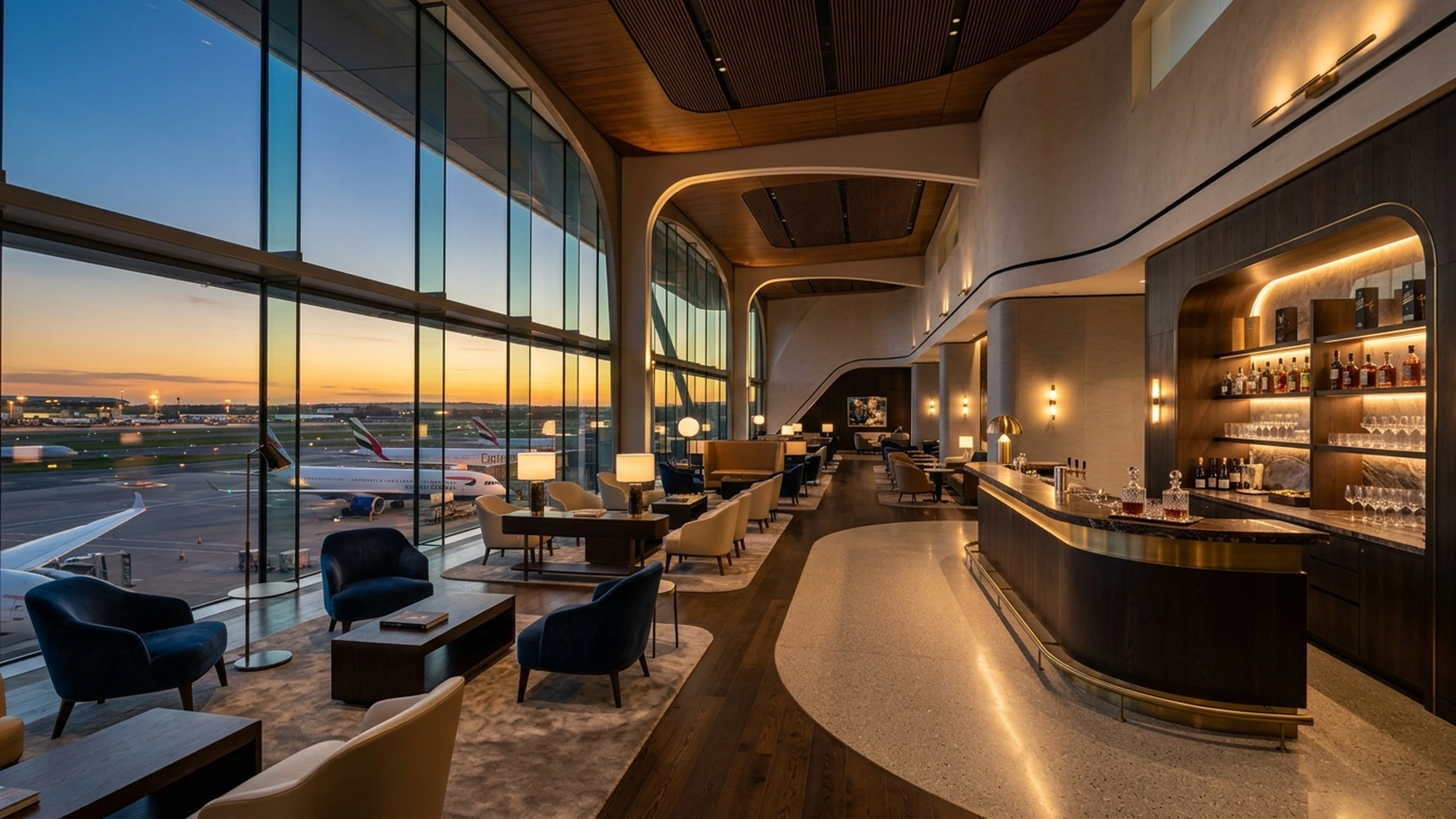
Access the world's finest lounges. Enjoy pre-flight dining, showers, and quiet workspaces before you board.
Priority Service
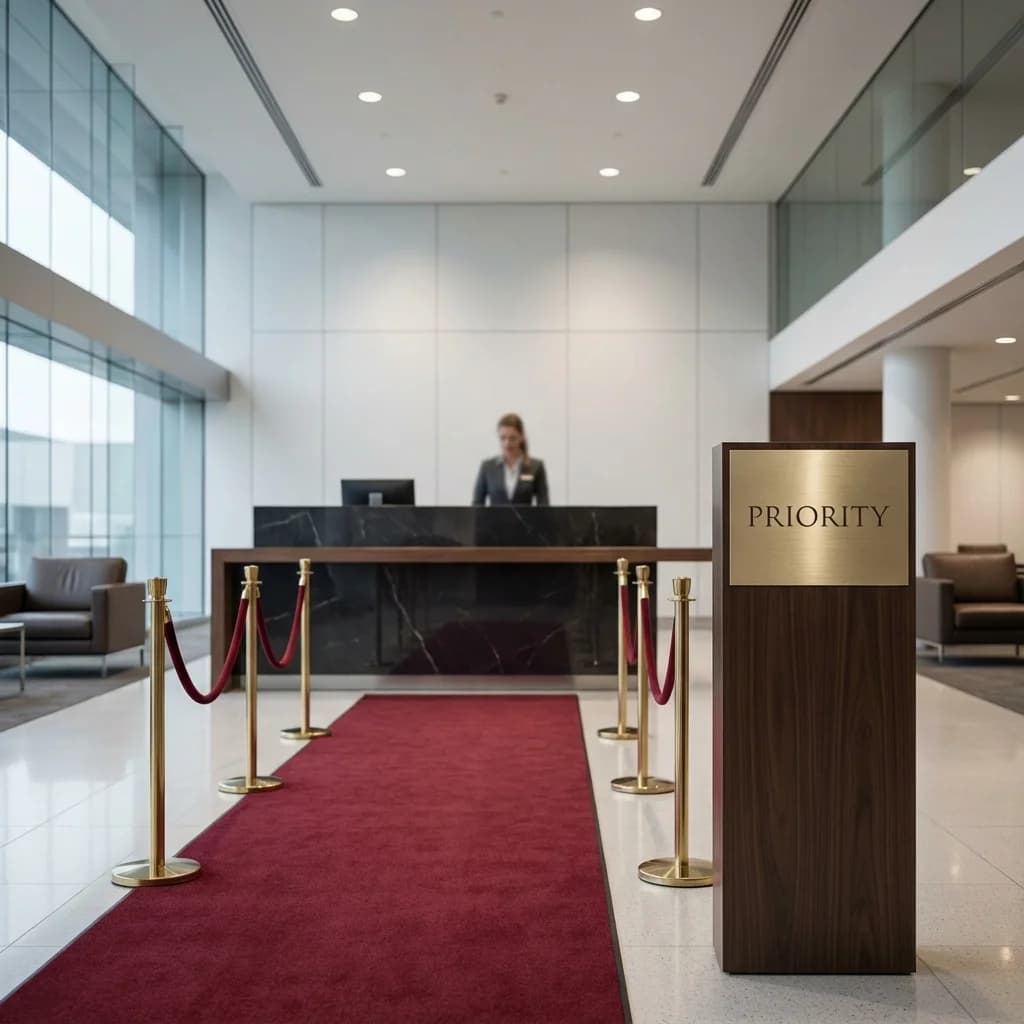
Skip the queues. Your ticket includes fast-track security, priority boarding, and premium baggage handling.
The Business Class Standard
Lie-Flat Guarantee
We only sell true Business Class. 180° fully flat beds on all long-haul routes, ensuring you arrive rested.
Premium Lounges
Access the world's finest lounges. Enjoy pre-flight dining, showers, and quiet workspaces before you board.
Priority Service
Skip the queues. Your ticket includes fast-track security, priority boarding, and premium baggage handling.
FAQs: Austin to Reykjavik Business Class
Travel Guides
Popular Travel Guides

What Our Travelers Say
Client Feedback
Verified insights from travelers booking discounted international business class flights.
Ready to book Austin to Reykjavik?
Our travel experts have access to unpublished fares. Save up to 40%.