Business class flights from Houston (IAH) to Nadi (NAN) start from $3,050 round-trip — up to 40% below published airline prices. The ~18 hours journey covers 6,664 miles, with 2 airlines offering lie-flat seats on this route. Best time to book: 3–6 months in advance for best fares.

IAH → NAN
Houston to Nadi Business Class
From$3,050
Quick Verdict
Updated October 2026Houston to Nadi business class fares start at $3,050 round-trip, with airlines including Qantas, Air New Zealand. The ~18 hours flight covers 6,664 miles. Peak season: December–February (Southern summer). Best value: May–September (Southern winter). Book through BestBusinessClass.com to save up to 40%.
From$3,050
Top AirlinesQantas · Air New Zealand
Flight Time~18 hours
Best MonthsMay–September (Southern winter)
Route Overview
Starting From
$3,050 round-trip
Flight Duration
~18 hours
Distance
6,664 miles
Best Value
Jan, Feb, Mar
Savings
Up to 60% off retail
Route Intelligence
Business Class from Houston to Nadi
Nadi is the gateway to Fiji's 300-plus islands, and for most American travelers it's the first stop on a trip built around the Mamanuca and Yasawa island chains, the soft-coral dive sites off Taveuni, or a few nights at one of the overwater and beachfront resorts that dot Denarau Island just minutes from the airport. It's also a popular stopover for travelers continuing on to Australia or New Zealand, since Fiji sits roughly at the halfway point of the Pacific crossing and breaks up what would otherwise be a brutal single-leg flight. Houston to Nadi business class itineraries almost always route through a major Pacific gateway — Los Angeles, Sydney, or Auckland — since there's no nonstop service from Texas to Fiji on any carrier.
Airlines & Cabin Experience
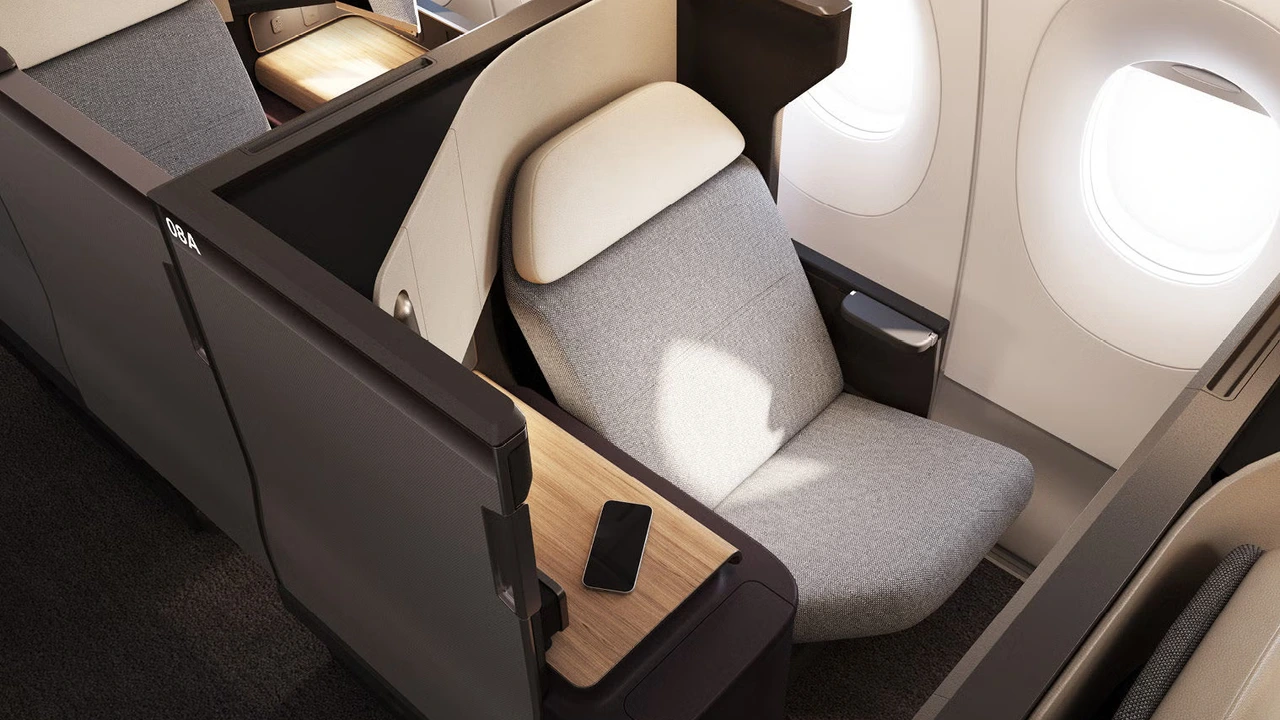
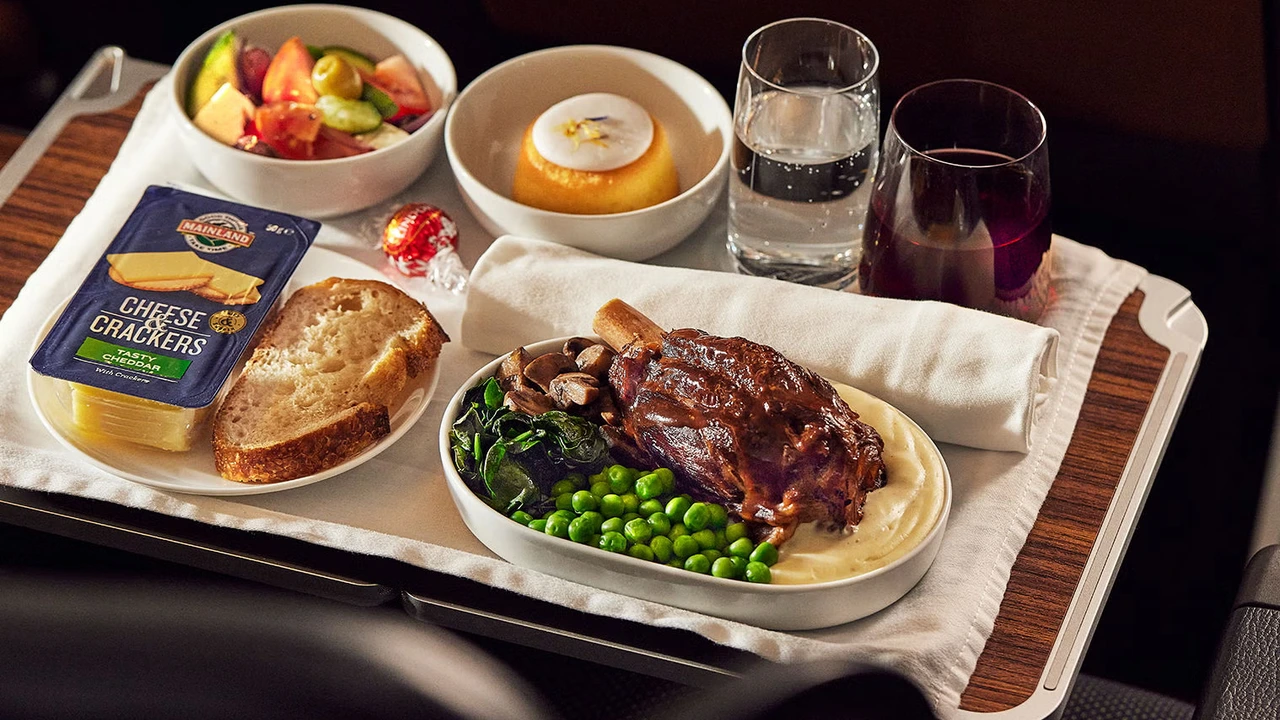
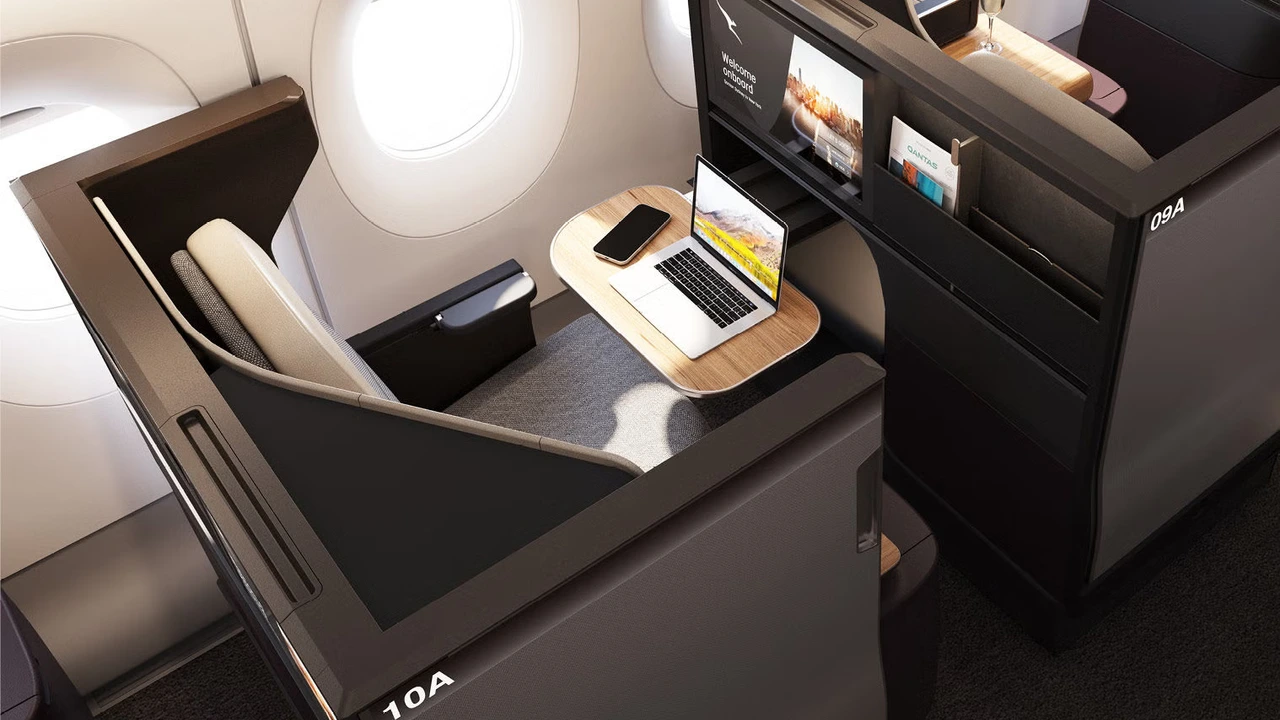
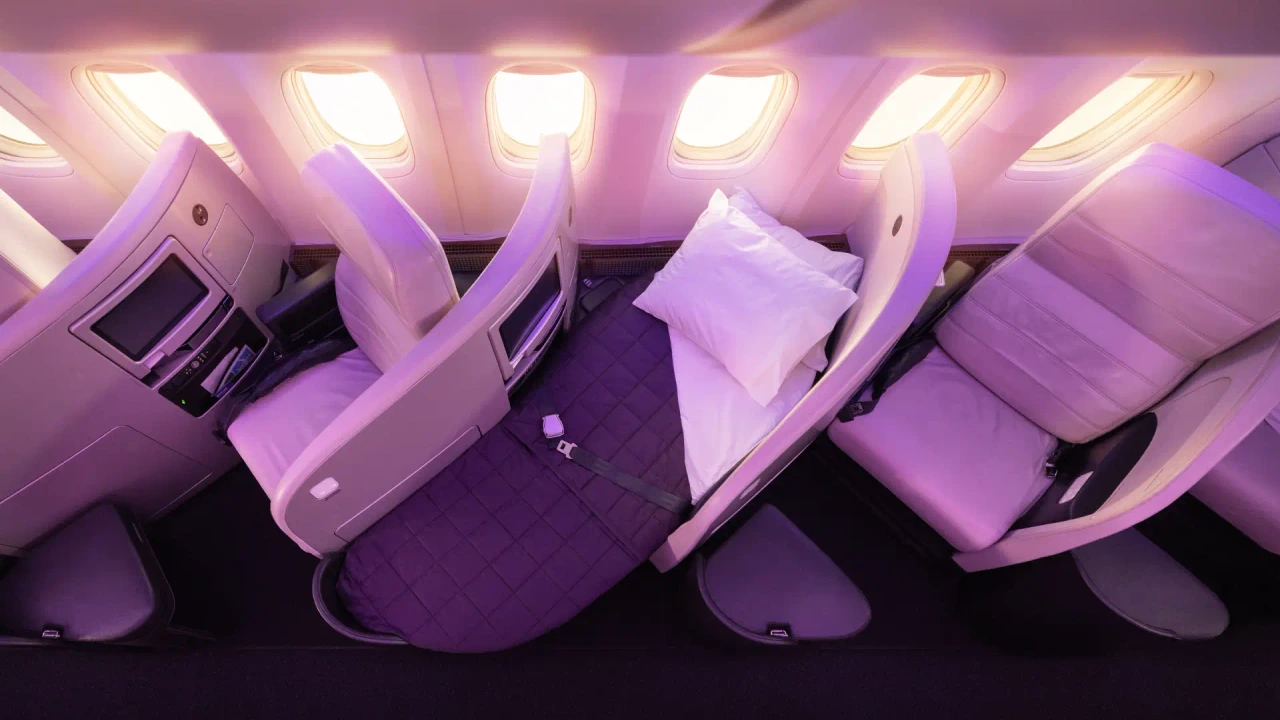
The three airlines worth considering each have a different personality. Qantas routes travelers through Sydney or LAX and its Business Suite product is one of the better hard products flying the Pacific: a proper lie-flat seat in 1-2-1 configuration, Neil Perry-designed menus, and a solid Australian wine list that suits the long haul well. Air New Zealand runs through Auckland with its Business Premier cabin, a 1-1-1 herringbone layout that gives every passenger direct aisle access — a real advantage on an 18-hour-plus day of travel — plus the much-discussed Skynest sleep pods on select aircraft and a New Zealand-heavy wine program. United connects through LAX or SFO with Polaris, which trades some of the seat privacy of Air New Zealand for Polaris Lounge access at its hubs and genuinely comfortable Saks Fifth Avenue bedding, useful if you're breaking up the journey with a lounge stop before the transpacific leg.
Pricing & Best Time to Fly
For Houston to Nadi business class fares, we're seeing retail pricing routinely run north of $10,000 round-trip, especially on Qantas and Air New Zealand during peak Fiji season. Through our consolidator agreements we're booking the same cabins for $3,050 to $8,500 round-trip, with the lower end typically reflecting United connections or shoulder-season Qantas fares, and the upper end covering peak-season Air New Zealand Business Premier with Skynest availability. Because these are wholesale fares tied to specific inventory blocks, pricing shifts week to week — booking 60 to 90 days out gives our Travel Managers the most room to find the better fare buckets before they close.
Why Book Through BestBusinessClass.com
January through March and June through August are the strongest windows for this route. The January-to-March stretch falls in Fiji's wet season, which sounds like a downside but actually means lower resort rates, thinner crowds, and short afternoon downpours rather than washed-out days — plus it lines up with lighter demand on the Pacific routes, which tends to help fares. June through August is Fiji's dry, cooler season and the most popular time to visit, so book that window earlier if a specific flight or cabin matters to you.
Travel Tips
Practically speaking, this is a two-flight day no matter which carrier you choose, and the connection matters as much as the transpacific cabin. A Sydney or Auckland connection means a long first leg from Houston (roughly 15-17 hours depending on routing) followed by a shorter regional hop to Nadi, while an LAX connection splits the journey into a domestic leg plus a single long Pacific crossing. We generally steer clients toward whichever connection lets you clear the long-haul segment first and arrive into Fiji rested rather than jet-lagged for the short final hop. Whichever airline you fly, request an aisle seat near the galley if you tend to move around on long flights, and build in at least a 90-minute connection window at LAX, Sydney, or Auckland — international-to-international transfers there can run long during peak arrival banks.
Airline Comparison
| Airline | Product | Seat Configuration | Alliance | Key Features | Review |
|---|---|---|---|---|---|
| Qantas | Qantas Business Suite | Lie-flat, 1-2-1 | OneWorld | Australian wines, Neil Perry dining | Read Review |
| Air New Zealand | Business Premier | Lie-flat herringbone, 1-1-1 | Star Alliance | Skynest innovation, NZ wines | Read Review |
Best Time to Book
When Should You Book Houston to Nadi Business Class?
Business class fares from Houston to Nadi range from $3,050 to $8,500 round-trip, depending on season and advance booking. The best value is during May–September (Southern winter). Peak fares occur December–February (Southern summer). Booking 3–6 months ahead and choosing midweek departures typically yields 20–35% savings.
JanBest Value
FebBest Value
MarBest Value
AprAverage
MayGood Value
JunGood Value
JulGood Value
AugGood Value
SepGood Value
OctAverage
NovAverage
DecPeak Pricing
💚 Best Value — $3,050–$4,413
💛 Good Value — $4,140–$5,775
🟠 Average — $5,230–$6,865
🔴 Peak Pricing — $6,320–$8,500
Top Rated
By Travelers
Up to 40%
Savings
Licensed
Accredited
24/7
Live Support
Operated by LUX Services LLC|FL Seller of Travel #ST46311
The Business Class Standard
Lie-Flat Guarantee
We only sell true Business Class. 180° fully flat beds on all long-haul routes, ensuring you arrive rested.
Premium Lounges
Access the world's finest lounges. Enjoy pre-flight dining, showers, and quiet workspaces before you board.
Priority Service
Skip the queues. Your ticket includes fast-track security, priority boarding, and premium baggage handling.
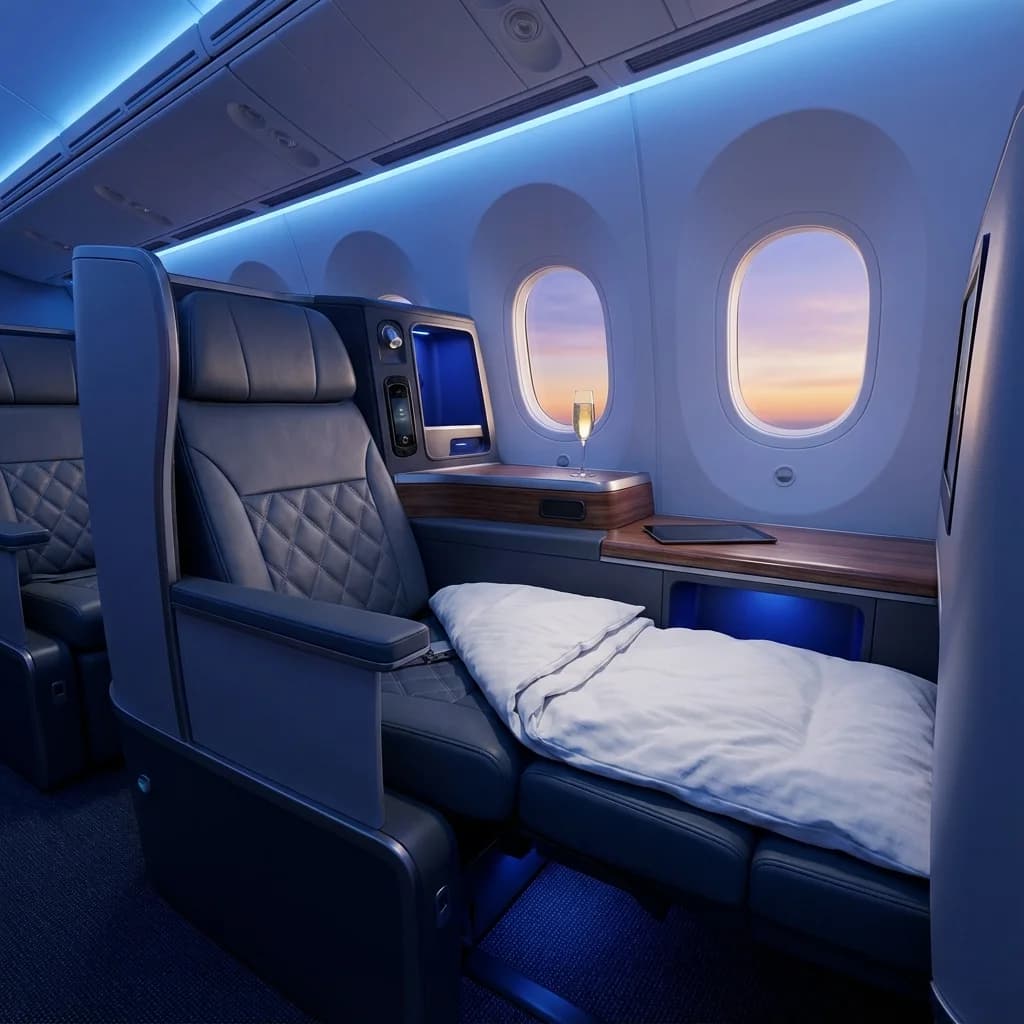
The Business Class Standard
Lie-Flat Guarantee
We only sell true Business Class. 180° fully flat beds on all long-haul routes, ensuring you arrive rested.
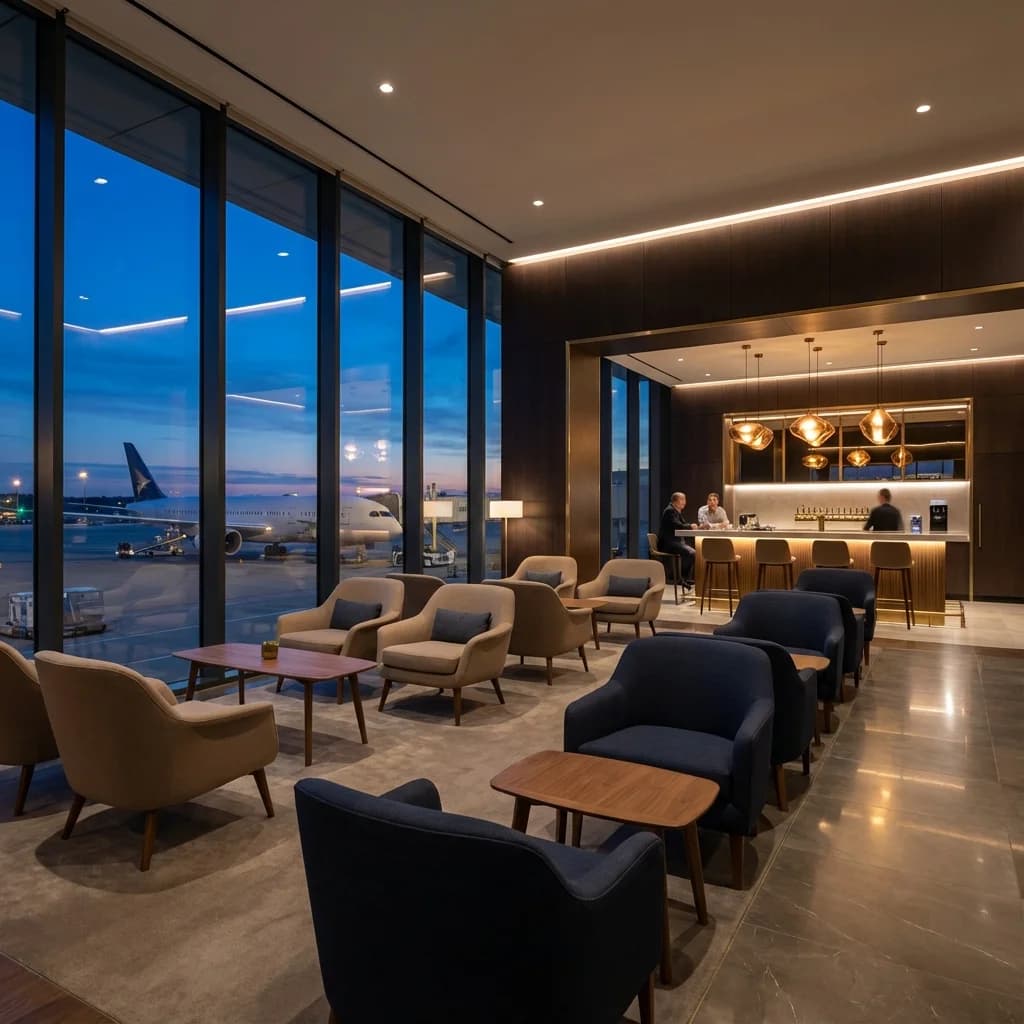
Premium Lounges
Access the world's finest lounges. Enjoy pre-flight dining, showers, and quiet workspaces before you board.
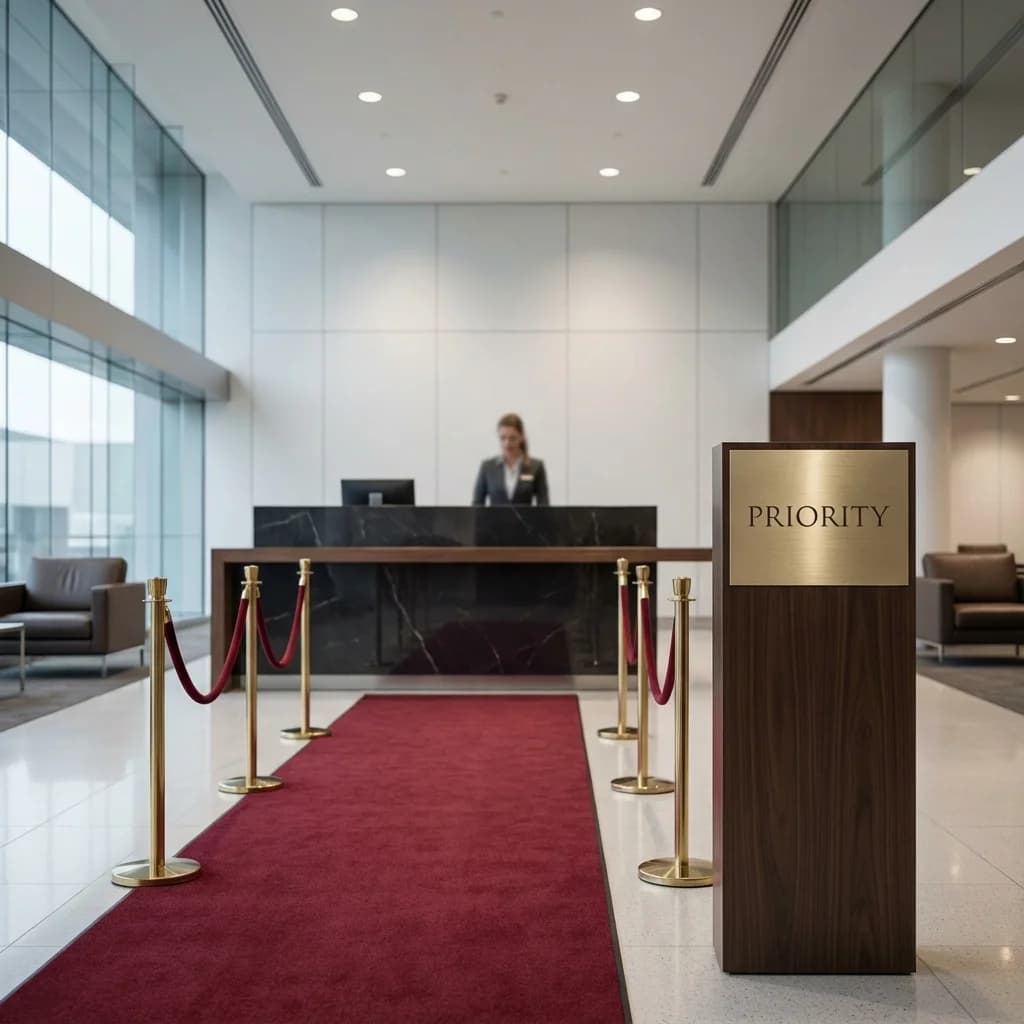
Priority Service
Skip the queues. Your ticket includes fast-track security, priority boarding, and premium baggage handling.
FAQs: Houston to Nadi Business Class
Travel Guides
Insights for Nadi Travelers


What Our Travelers Say
Client Feedback
Verified insights from travelers booking discounted international business class flights.
Ready to book Houston to Nadi?
Our travel experts have access to unpublished fares. Save up to 40%.