Business class flights from Cleveland (CLE) to Olbia (OLB) start from $2,400 round-trip — up to 40% below published airline prices. The ~10 hours journey covers 4,505 miles, with 2 airlines offering lie-flat seats on this route. Best time to book: 3–6 months in advance for best fares.

CLE → OLB
Cleveland to Olbia Business Class
From$2,400
Quick Verdict
Updated August 2026Cleveland to Olbia business class fares start at $2,400 round-trip, with airlines including EI, Delta Air Lines, American Airlines. The ~10 hours flight covers 4,505 miles. Peak season: June–August, December. Best value: January–March, November. Book through BestBusinessClass.com to save up to 40%.
From$2,400
Top AirlinesEI · Delta Air Lines · American Airlines
Flight Time~10 hours
Best MonthsJanuary–March
Route Overview
Starting From
$2,400 round-trip
Flight Duration
~10 hours
Distance
4,505 miles
Best Value
Jan, Feb, Mar
Savings
Up to 60% off retail
Route Intelligence
Business Class from Cleveland to Olbia
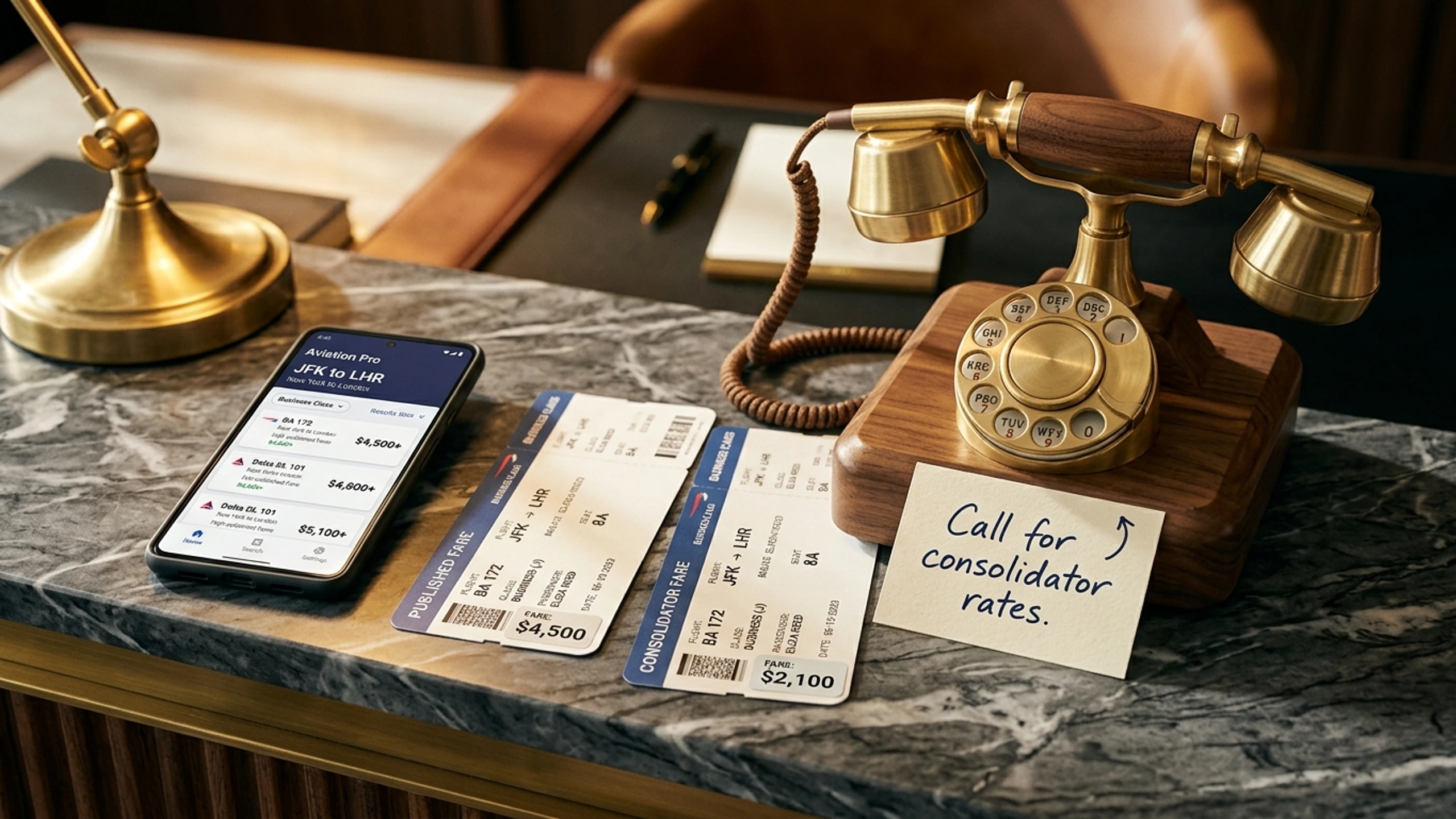
Business class fares from Cleveland to Olbia through BestBusinessClass.com run between $2,400 and $6,050 round-trip, and travelers connecting through a European or East Coast gateway can expect a total journey of around 12-15 hours once layover time is factored in over the roughly 10-hour flying segments. That pricing typically represents a savings of 30-50% off what you'd find booking directly with the airlines, since these are consolidator fares negotiated in bulk and not listed on Expedia or Google Flights.
Airlines & Cabin Experience
Olbia sits on Sardinia's northeastern coast and serves as the gateway to the Costa Smeralda, one of the Mediterranean's more understated luxury coastlines. Travelers come for the turquoise water at Cala Brandinchi and Spiaggia del Principe, the yacht scene around Porto Cervo, and a slower pace than you'd find in Rome or Florence. It's also a smart base for exploring the interior's granite mountains and prehistoric nuraghe sites. Because Olbia has no long-haul connections of its own, every itinerary from Cleveland routes through a major hub — Atlanta, Minneapolis, Dallas, or Charlotte are the most common connection points — before continuing on to a European gateway and then down to Sardinia.
Pricing & Best Time to Fly
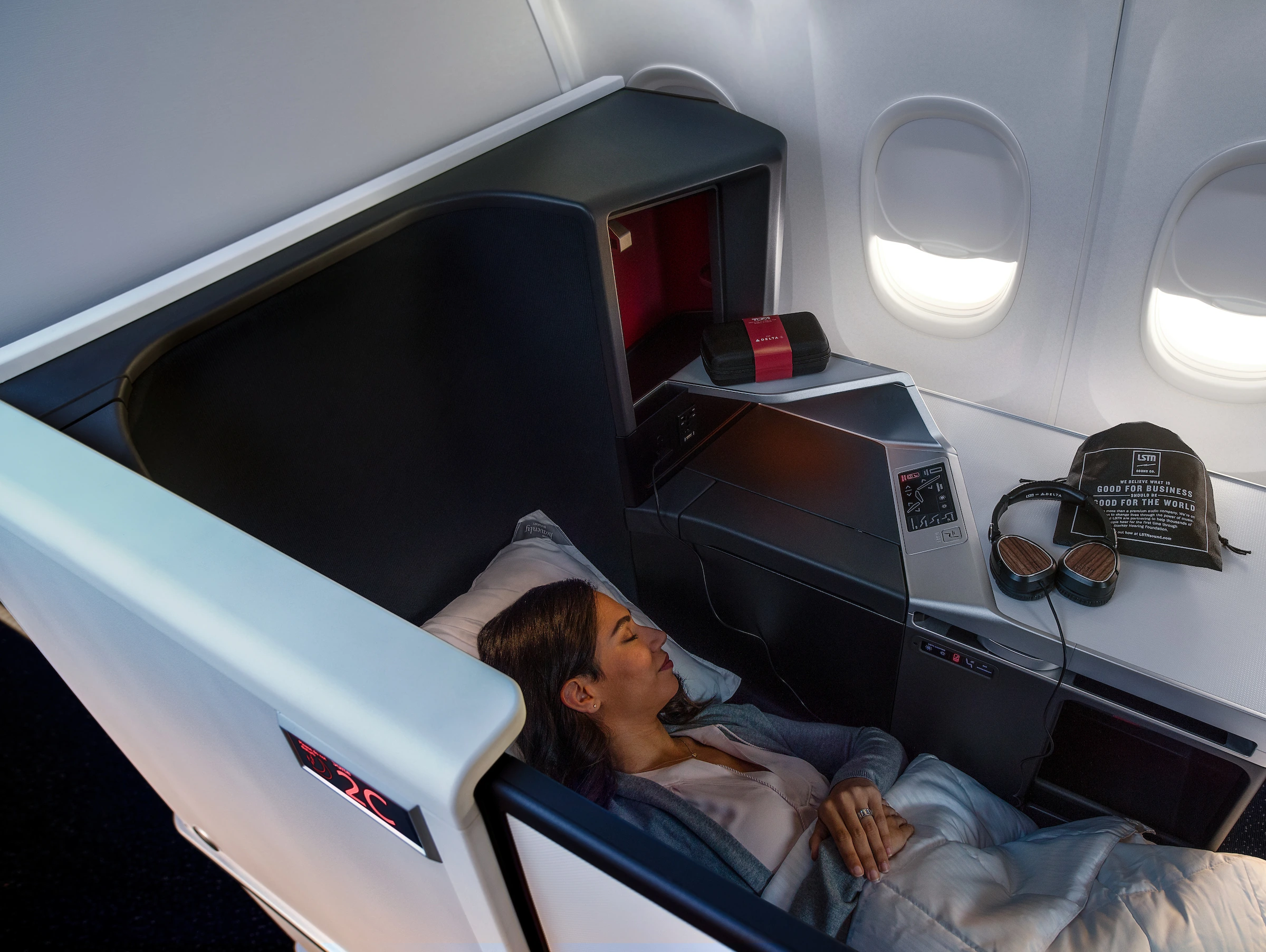
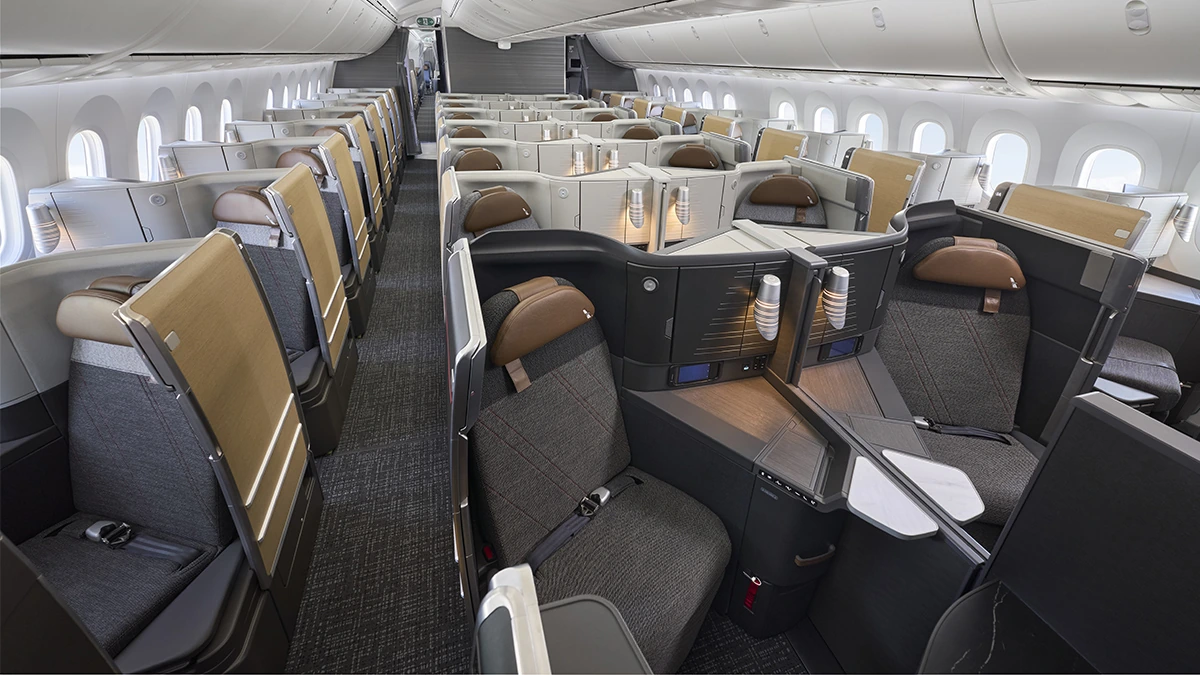
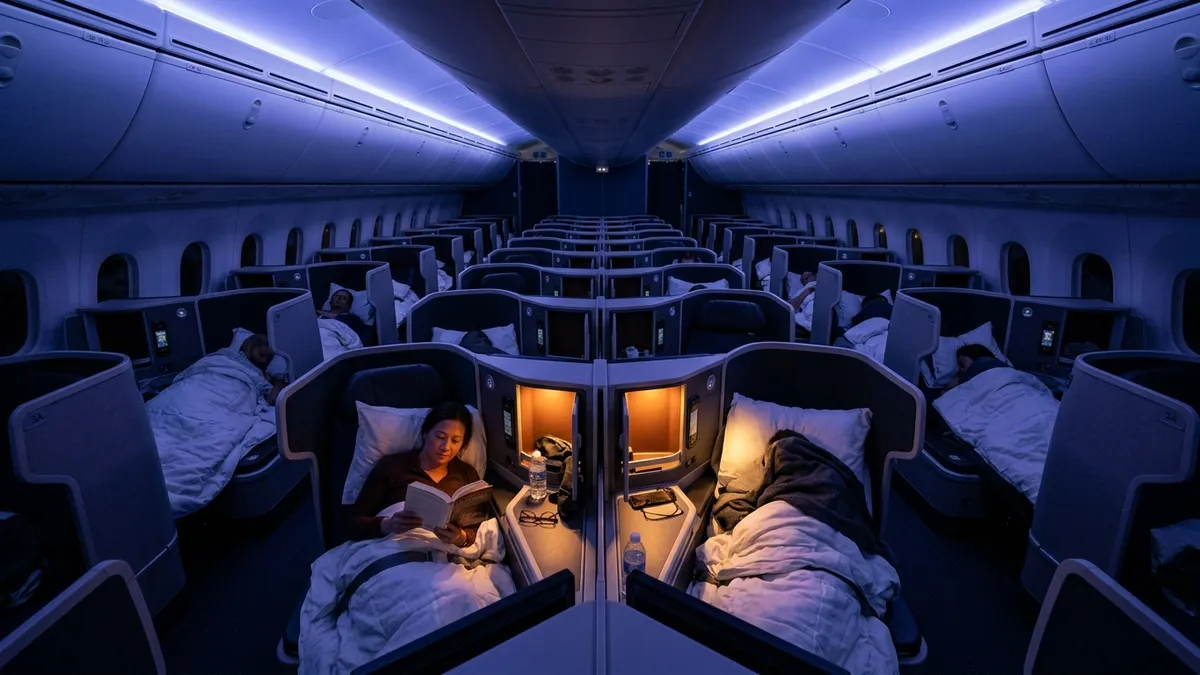
Cleveland to Olbia business class travelers have two strong domestic carriers to choose from for the transatlantic leg. Delta operates its Delta One Suite on most widebody aircraft serving Europe, and it's arguably the best hard product among US carriers right now — a fully enclosed suite with a sliding door, 1-2-1 configuration so every seat has direct aisle access, and a Tumi amenity kit that's genuinely useful rather than a throwaway gesture. American's Flagship Business product is also lie-flat with 1-2-1 seating and includes access to Flagship Lounges at major hubs plus Casper bedding, which tends to be softer and warmer than what Delta provides. Both are solid choices for the long overnight segment; the difference mostly comes down to hub preference and loyalty program.
Why Book Through BestBusinessClass.com
Because Cleveland is a secondary airport for premium international travel, pricing and seat availability fluctuate more than they would from a primary gateway, so booking 3-4 months ahead gives you the best shot at the lower end of that $2,400-$6,050 range. January through March and October through November are consistently the best months to fly this route — shoulder season in Sardinia means mild weather, fewer crowds, and airlines pricing business class seats more aggressively since leisure demand drops off after summer. Flying in peak summer months will push you toward the top of the fare range or beyond, and seats disappear fast since Sardinia is a major European vacation spot in July and August.
Travel Tips
For the actual flight experience, this is a long eastbound overnight itinerary, so prioritize an aircraft with a fully lie-flat seat for the transatlantic leg — both Delta One Suite and American Flagship Business deliver that. Try to time your connection so you're landing in Europe in the morning, giving you a full day to adjust before the short hop down to Olbia. Pack layers, since Sardinia's coastal towns can be breezy even when temperatures inland are warm, and build in enough connection time at your US hub given Cleveland's dependence on regional feeds that can run late in winter weather.
Airline Comparison
| Airline | Product | Seat Configuration | Alliance | Key Features | Review |
|---|---|---|---|---|---|
| Delta Air Lines | Delta One Suite | Suite with closing door, 1-2-1 | SkyTeam | Delta One Suite privacy, Tumi amenity kit | Read Review |
| American Airlines | Flagship Business | Lie-flat suite, 1-2-1 | OneWorld | Flagship Lounge, Casper bedding | Read Review |
Best Time to Book
When Should You Book Cleveland to Olbia Business Class?
Business class fares from Cleveland to Olbia range from $2,400 to $6,050 round-trip, depending on season and advance booking. The best value is during January–March, November. Peak fares occur June–August, December. Booking 3–6 months ahead and choosing midweek departures typically yields 20–35% savings.
JanBest Value
FebBest Value
MarBest Value
AprAverage
MayAverage
JunPeak Pricing
JulPeak Pricing
AugPeak Pricing
SepAverage
OctAverage
NovGood Value
DecPeak Pricing
💚 Best Value — $2,400–$3,313
💛 Good Value — $3,130–$4,225
🟠 Average — $3,860–$4,955
🔴 Peak Pricing — $4,590–$6,050
Top Rated
By Travelers
Up to 40%
Savings
Licensed
Accredited
24/7
Live Support
Operated by LUX Services LLC|FL Seller of Travel #ST46311
The Business Class Standard
Lie-Flat Guarantee
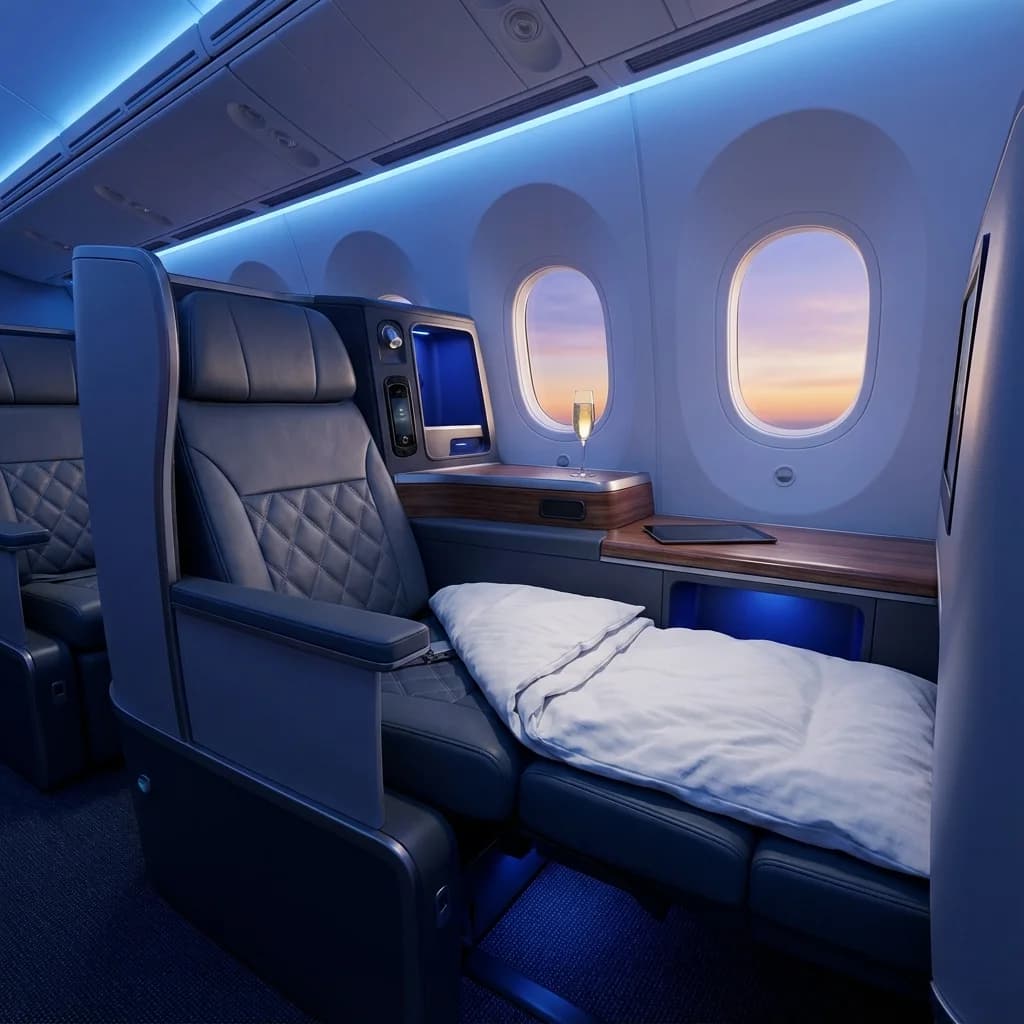
We only sell true Business Class. 180° fully flat beds on all long-haul routes, ensuring you arrive rested.
Premium Lounges
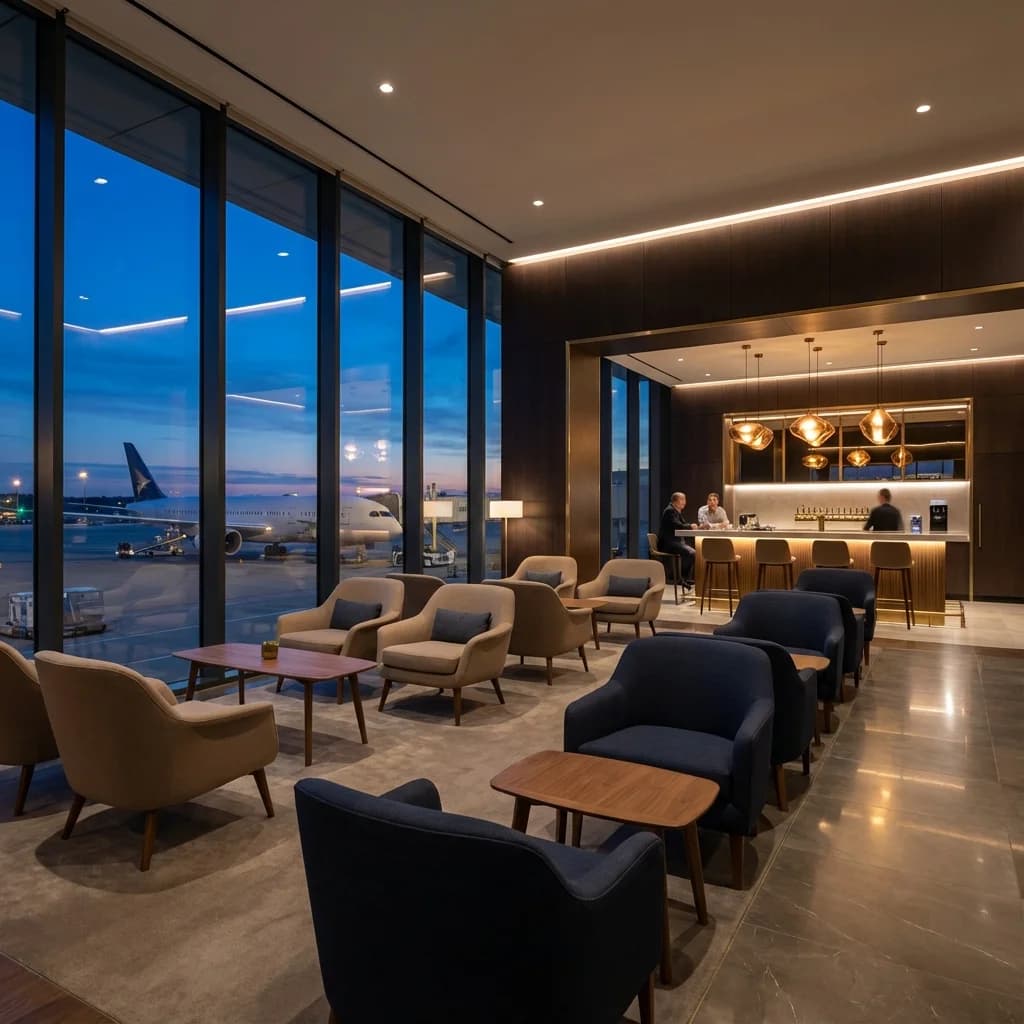
Access the world's finest lounges. Enjoy pre-flight dining, showers, and quiet workspaces before you board.
Priority Service
Skip the queues. Your ticket includes fast-track security, priority boarding, and premium baggage handling.
The Business Class Standard
Lie-Flat Guarantee
We only sell true Business Class. 180° fully flat beds on all long-haul routes, ensuring you arrive rested.
Premium Lounges
Access the world's finest lounges. Enjoy pre-flight dining, showers, and quiet workspaces before you board.
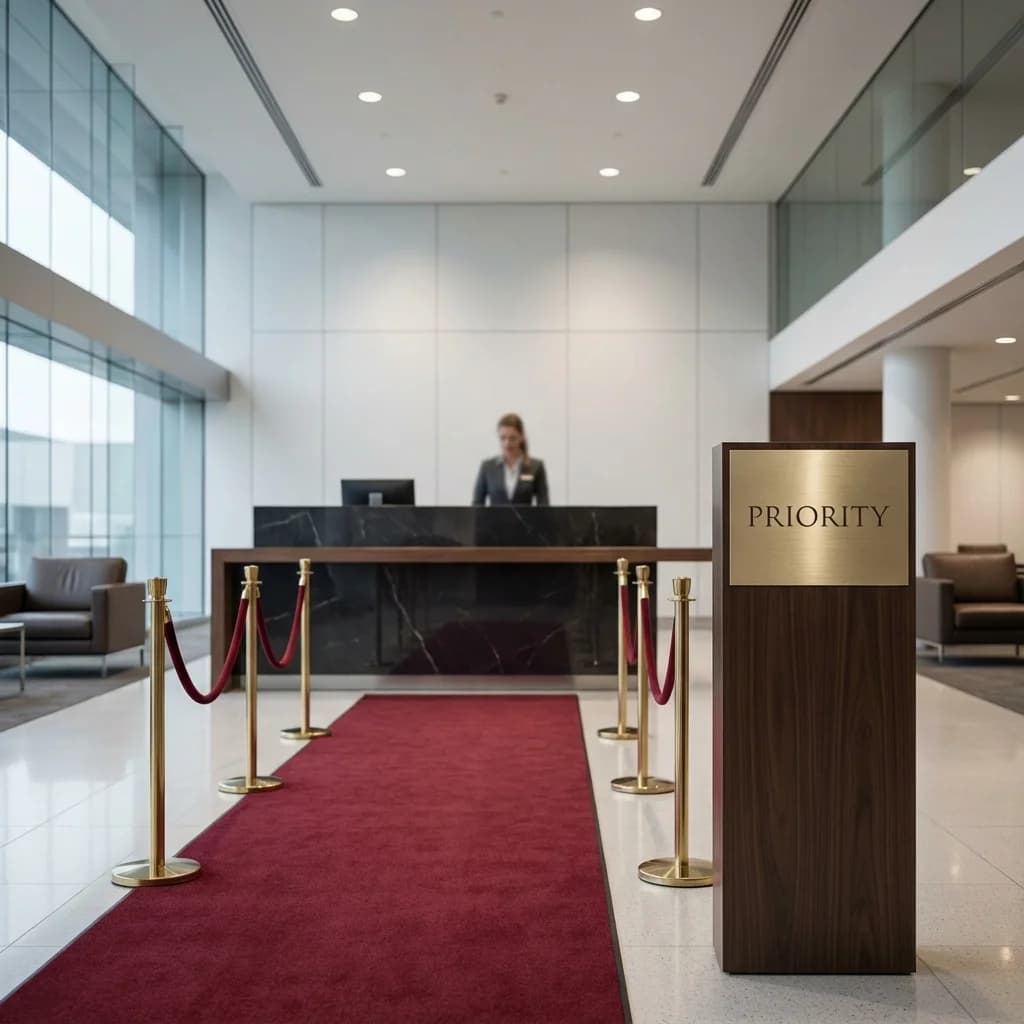
Priority Service
Skip the queues. Your ticket includes fast-track security, priority boarding, and premium baggage handling.
FAQs: Cleveland to Olbia Business Class
Travel Guides
Popular Travel Guides
What Our Travelers Say
Client Feedback
Verified insights from travelers booking discounted international business class flights.
Ready to book Cleveland to Olbia?
Our travel experts have access to unpublished fares. Save up to 40%.